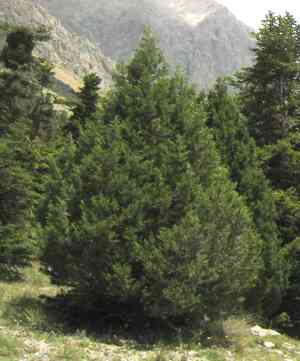
Stinking juniper (Juniperus foetidissima)
Also known as: Foetid juniper
Juniperus phoenicea is a small tree or large shrub that typically grows between 5 to 8 meters in height. It features a trunk that can reach up to 1–2 meters in diameter and has a rounded or irregularly shaped crown. The bark of this species is dark greyish-brown and can be peeled off in strips, revealing a fibrous texture underneath.
In This Article
Attributes of Stinking juniper
Lifespan
Perennial
Plant Type
Tree
Plant Height
10-20 meters
Spread
5-10 meters
Leaf Color
Dark green
Flower Size
Not applicable
Flower Color
Not applicable
Images of Stinking juniper
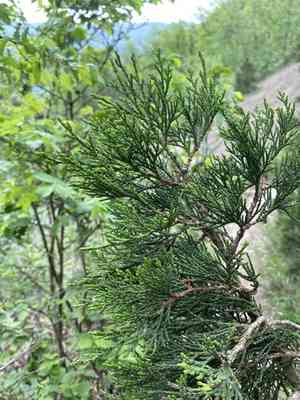
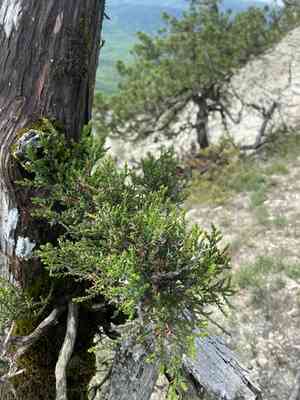
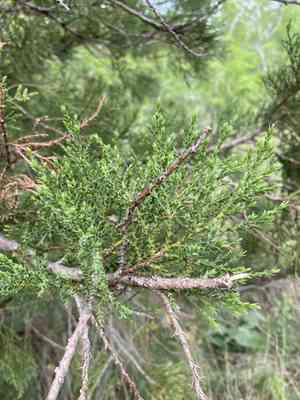
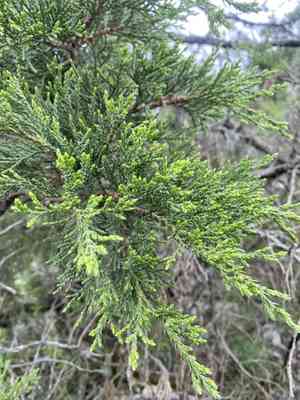
Quickly Identify Stinking juniper
1
To identify Juniperus foetidissima, look for a large shrub or small tree with reddish-brown, fibrous bark and a distinctive, strong, and somewhat unpleasant odor. The leaves are scale-like and closely pressed to the twigs in opposite pairs or whorls of three. The seed cones are berry-like, dark blue when mature, and covered with a whitish bloom.
Scientific Classification of Stinking juniper
Phylum
Vascular plants
Class
Conifers
Order
Pinales
Family
Cypress
Genus
Junipers
Species
Stinking juniper
Planting and Growing of Stinking juniper
Care Difficulty
Moderate
Watering Schedule
Every 2 days
Sunlight Requirements
Full sun
Sunshine Duration
6-8 hours
Ideal Temperature
60-75℉
Soil Type
Potting Mix, Peat Mix
Soil pH
6.5-7.5
Fertilizer Type
Balanced
Pruning Season
Spring, Summer
Pruning Area
Branches, Leaves
Pruning Frequency
2 times a year
Repotting Season
Spring
Pot Type
Plastic, Ceramic
 How to Water Stinking juniper?
When watering Juniperus foetidissima, ensure the water penetrates deeply into the soil, saturating the root zone to promote strong, healthy growth. Typically, around 500 ml per watering session is adequate, but always check that the water has reached at least 15-20 cm deep.
What are the symptoms of an underwatered Stinking juniper?
›
What should I do if my Stinking juniper is not getting enough water?
›
What are the symptoms of an overwatered Stinking juniper?
›
How to save an overwatered Stinking juniper?
›
 What Are the Sunlight Requirements for Stinking juniper?
Juniperus foetidissima thrives best in full to partial sun, where about 6-8 hours of light ensure optimal photosynthesis. Ideal light conditions contribute to robust foliage and sustained growth, reinforcing overall plant health.
Optimum Sun Exposure
›
Preventing Excess Heat
›
Maximizing Morning Light
›
 What Is the Ideal Temperature Range for Stinking juniper?
Juniperus foetidissima thrives best in temperatures ranging from 60 to 75°F. This range provides the optimal conditions for healthy growth and development, ensuring the plant can sustain its physiological functions without stress. Maintaining this temperature range supports robust foliage and can help enhance overall resilience against environmental stressors.
 What Soil is Best for Stinking juniper?
Juniperus foetidissima thrives in well-drained soils, preventing root rot. Adequate drainage ensures the roots get sufficient oxygen, promoting healthier and more robust growth for this resilient conifer. This plant benefits from soils rich in nutrients, particularly nitrogen and phosphorus. Such nutrients support better growth, more vibrant foliage, and increased resistance to environmental stress. The presence of organic matter in the soil improves structure and water retention while promoting beneficial microbe activity. An increased organic content ensures that Juniperus foetidissima can access essential nutrients and maintain stable growth.
 How to Fertilize Stinking juniper?
For Juniperus foetidissima, an appropriate amount of fertilizer is crucial for healthy growth. Apply liquid fertilizer at half the recommended strength for other evergreens, ideally using one teaspoon per gallon of water. Ensure not to over-fertilize, as this species is adapted to thrive with minimal nutrients.
 How to Prune Stinking juniper?
Begin by thoroughly inspecting the plant for any dead or discolored branches, which should be your primary target during pruning. Removing these helps in preventing the spread of any disease. Focus on giving the Juniperus foetidissima a balanced shape by trimming uneven or excessively protruding branches. This not only improves the aesthetic but also ensures equal light distribution for healthy growth. Divide the plant into sections as you prune, starting from the bottom upwards. This systematic approach helps maintain both the structural integrity and aesthetic appeal of the plant.
More About Pruning Techniques→
 How to Propagate Stinking juniper plant?
1
Collect seeds from ripe juniper cones and soak them in water for 24 hours. Stratify the seeds by chilling them in the refrigerator for several weeks to break dormancy.
2
Select healthy branches and cut 6-8 inch sections. Strip the lower leaves and dip the cut end in rooting hormone before planting in a well-draining medium.
3
Choose compatible rootstock and scion varieties. Make precise cuts on both and properly align them, securing with grafting tape. Keep the grafted plant in a humidity-controlled environment.
 How to Repot Stinking juniper plant?
1
Repot Juniperus foetidissima when you notice roots circling the pot or growing out of drainage holes. Spring is the ideal time as the plant will have an entire growing season to recover. Avoid repotting during dormancy or extreme weather conditions, as this can stress the plant.
2
Select a pot that's slightly larger than the current one to give the roots room to spread. It should have drainage holes to prevent waterlogging. Opt for a material like terracotta that allows the soil to breathe, helping to avoid root rot and promoting healthy growth.
3
A well-draining, sandy soil mix is crucial for Juniperus foetidissima. It ensures excess water quickly exits the pot, mimicking its natural arid habitat. This prevents waterlogged conditions that can lead to root rot and other fungal infections, keeping the plant healthy and thriving.
Toxicity
Ingestion
WARNING
The judgment on toxicity and danger is for reference only. We DO NOT GUARANTEE any accuracy of such judgment. Therefore, you SHALL NOT rely on such judgment. It is IMPORTANT TO SEEK PROFESSIONAL ADVICE in advance when necessary.



