How to Prune Brownhead rush?
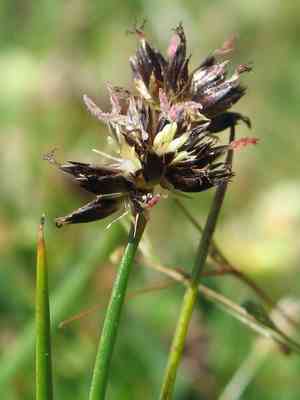
Juncus capitatus, a perennial herbaceous plant, is distinguished by its compact, clustered growth and brownish inflorescences. Trim Juncus capitatus in the early spring or late winter to eliminate deceased or compromised leaves, fostering more robust development. Sever aged stalks at their base, section by section, to revitalize the specimen and preserve its form. Consistent trimming improves air movement, lowers the likelihood of ailments, and stimulates energetic new sprouts. Employ disinfected implements to avert contagions and guarantee a clean incision.
What Are the Benefits of Pruning Brownhead Rush?
What Are the Benefits of Pruning Brownhead Rush?
Trimming brownhead rush promotes robust development and maintains its form. By eliminating dead or crowded stems, gardeners can improve air circulation, lower disease risk, and foster a healthier, more visually appealing plant.
What Is the Best Time for Pruning Brownhead Rush?
What Is the Best Time for Pruning Brownhead Rush?
Trimming brownhead rush in late winter and early spring is optimal as it aligns with the plant's dormant phase, minimizing stress and encouraging healthy regrowth. During this period, brownhead rush's energy isn't focused on new growth, flowering, or seed production, making it an ideal time for pruning. Additionally, pruning before the growing season helps shape the plant effectively and stimulates more vigorous growth and blooms once the season begins. These times are commonly advised for many perennial species to ensure minimal harm and sustained plant vitality.
What Tools Do I Need to Prune Brownhead Rush?
Hand Pruners
Hand pruners are perfect for trimming small, precise areas. Brownhead rush can grow thickly, and hand pruners help manage this by cutting individual stems for better shape and structure.
Pruning Shears
Pruning shears are effective for light trimming of brownhead rush. They allow for quick removal of dead or unhealthy stems, encouraging healthier development.
Long-Handled Scissors
Long-handled scissors provide extended reach and control, especially useful given brownhead rush's dense, clumping nature. They enable accurate cuts without awkward bending or reaching.
How to Prune Brownhead Rush
Assessment
Thoroughly examine brownhead rush to identify and differentiate between diseased and withered leaves. Look for indicators like discoloration, spots, or necrotic areas.
Sanitation
Ensure tools are clean and disinfected to prevent disease spread. Use a solution of one part bleach to nine parts water for sanitizing pruning shears.
Trimming diseased leaves
Carefully cut away diseased leaves, ensuring the cut is made below the affected area into healthy tissue. Use clean, sharp pruning shears for precise cuts to reduce plant stress.
Trimming withered leaves
Remove withered leaves by cutting them close to the base. Avoid pulling or tearing to prevent damage to healthy parts of brownhead rush.
Disposal
Properly dispose of all trimmed diseased and withered leaves. Do not compost them as this may spread disease. Instead, bag them and discard them in the trash.
Common Pruning Mistakes with Brownhead Rush
Over-pruning
Removing too much foliage at once can stress brownhead rush and impede its growth, potentially leading to dieback or reduced vigor.
Improper cutting techniques
Using dull or dirty tools can harm brownhead rush, causing jagged cuts that increase the risk of disease and pest infestation.
Inconsistent pruning
Failing to maintain a regular pruning schedule can result in an overgrown and unruly plant, making subsequent trimming sessions more difficult and less effective.
Neglecting dead material
Leaving dead or damaged parts on brownhead rush can attract pests and diseases, compromising the plant's overall health.
Pruning at the wrong stage
Trimming when brownhead rush is not ready or in an unsuitable growth phase can negatively impact its ability to regrow and flourish.
Common Pruning Tips for Brownhead Rush
Use sharp, clean tools
Always prune with sharp, sterilized tools to ensure clean cuts. This reduces disease risk and promotes faster healing in brownhead rush.
Focus on dead or damaged areas
Prioritize removing any dead or damaged stems and foliage to direct brownhead rush's energy towards healthy growth.
Maintain plant shape
Shape brownhead rush by cutting back overgrown sections to maintain a compact and attractive form. Pruning in this manner encourages a denser and more uniform appearance.
Gradual pruning
Employ moderate, gradual pruning to avoid stressing brownhead rush. This method helps acclimate the plant to changes and promotes steady growth.
Monitor growth
Regularly inspect brownhead rush to identify any parts that need attention. Proactive pruning reduces the risk of overgrowth and maintains plant health.



