How to Propagate Brownhead rush?
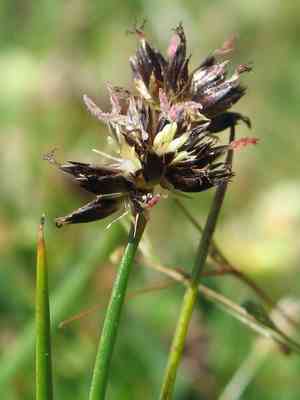
Juncus capitatus is a perennial plant thriving in damp environments. Reproduction is typically achieved by planting seeds. Verify that seeds are new to maximize their sprouting success. Plant them in a perpetually damp, adequately draining substrate. Lightly cover with growing medium, as illumination is crucial for seed germination. Water consistently to preserve humidity without oversaturation. Relocate young plants once they are robust enough to manage, generally after several weeks.
When Is the Optimal Time to Propagate Brownhead Rush?
Propagation Method
Seeding
Propagation Period
Spring
What Equipment Is Used in Brownhead Rush Propagation?
Seedling Tray
Seedling trays are vital for initiating seeds in a regulated setting. They offer separate compartments for each seed, ensuring proper spacing and minimizing competition as brownhead rush plants develop.
Fine Soil Mix
A fine soil blend is crucial for filling seedling trays. It guarantees good drainage and aeration, which are important for brownhead rush seed germination. The fine texture allows small seeds to establish roots effectively.
Mist Sprayer
A mist sprayer helps maintain the moisture level of the soil mixture without displacing seeds. For brownhead rush, consistent humidity is essential during the initial stages of germination.
Heating Mat
Heating mats provide warmth from below, which can boost seed germination by maintaining an ideal soil temperature for brownhead rush. This is particularly important in colder regions or during off-season propagation.
Grow Light
Grow lights supply the necessary light spectrum for photosynthesis, promoting strong, healthy growth of brownhead rush seedlings, especially if natural light is insufficient.
Labeling Stakes
Labeling stakes ensure proper identification of brownhead rush during the propagation process. This aids in managing multiple plant species and tracking growth progress accurately.
Rooting Hormone
While not always required, rooting hormones can enhance the root development of brownhead rush seedlings by stimulating root growth, leading to stronger and more resilient plants.
Seedling Dome
A seedling dome maintains a high humidity environment, which is beneficial for the germination and initial growth of brownhead rush seeds. It helps to prevent the soil from drying out too quickly.
How to Propagate Brownhead Rush?
Propagation Type
Simple
How to Care for Your Newly Propagated Brownhead Rush?
How to Care for Your Newly Propagated Brownhead Rush?
After germination, gradually introduce seedlings to outdoor conditions by reducing watering frequency and increasing light exposure. Once robust enough, transplant them into individual pots or directly into a wet or marshy garden area. Continue to keep the soil moist, and monitor for pests and diseases. Fertilizing is usually unnecessary if the plants are in nutrient-rich soil.
Common Errors to Avoid When Propagating Brownhead Rush
Over-watering
Excessive moisture can lead to root rot, making it difficult for brownhead rush to establish a healthy root system.
Poor Soil Drainage
Inadequate drainage can cause water to accumulate around the roots, leading to fungal infections and poor plant health.
Insufficient Light
Although brownhead rush can tolerate partial shade, inadequate light levels can hinder growth and reduce the success rate of propagation.
Improper Cutting Handling
Handling cuttings carelessly can damage the plant tissues, hindering the development of new roots.
Using Infected Tools
Using tools that have not been sterilized can introduce pathogens to the cuttings, affecting their health and viability.
Tips For Propagating Brownhead Rush
Ensure Proper Watering
Maintain a balance by keeping the soil consistently moist but not waterlogged to prevent root rot.
Use Well-Draining Soil
Amend the soil with sand or perlite to improve drainage, ensuring that the roots remain healthy and oxygenated.
Provide Adequate Light
Place brownhead rush in a location where it receives indirect but adequate sunlight to encourage robust growth.
Handle Cuttings Gently
Use clean, sharp tools and handle the cuttings with care to avoid damaging the delicate tissues.
Sterilize Tools
Always sterilize cutting tools before use to prevent the spread of diseases and improve the chances of successful propagation.



