How to Prune Riverbells?
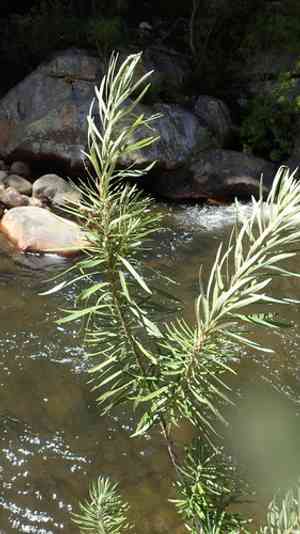
Riverbells, recognized for its vivid flowers and appeal to beneficial insects, necessitates trimming in the initial part of spring or the latter part of winter. Cut away any lifeless or frail branches to foster robust development and preserve its form. Eliminate basal shoots to prevent the depletion of vital resources. Performing pruning just prior to the emergence of new foliage optimizes its capacity for blooming. Consistent trimming improves air movement, thereby lowering the likelihood of illness, and stimulates prolific flowering. Always employ sanitized, keen implements to avert contamination and ensure precise incisions.
What Are the Benefits of Pruning Riverbells?
What Are the Benefits of Pruning Riverbells?
Trimming riverbells encourages robust development and helps maintain its form. This ensures healthy growth, boosts blooming, manages plant size, and enhances overall look. Regular trimming also aids in resisting pests and diseases, promoting long-term plant health and vitality.
What Is the Best Time for Pruning Riverbells?
What Is the Best Time for Pruning Riverbells?
Trimming riverbells in early spring or late winter is optimal because this timing aligns with the plant's dormant phase, minimizing stress and allowing for vigorous regrowth. Pruning during these seasons also ensures that cuts heal quickly before the active growth period, resulting in a more robust and vibrant plant. Additionally, pruning just before the start of the growing season promotes ideal flowering and maintains the overall structure and health of riverbells.
What Tools Do I Need to Prune Riverbells?
Hand Pruners
Perfect for precise cuts on small branches and stems, ensuring clean cuts that help the plant recover quickly.
Loppers
Useful for thicker branches that hand pruners cannot manage, providing the leverage needed for larger cuts without harming the plant.
Pruning Saw
For removing larger branches or for more extensive trimming, a pruning saw will help make clean, efficient cuts without tearing the plant tissue.
Bypass Pruners
Best for making clean, accurate cuts on living or green wood, crucial for maintaining the health and beauty of riverbells.
Pole Pruners
These are essential for reaching higher branches without needing a ladder, ensuring safer and more efficient trimming.
How to Prune Riverbells
Inspection
Examine riverbells closely to identify any diseased and withered leaves. Look for signs such as discoloration, spots, or dryness.
Tool Sterilization
Before pruning, sterilize your pruning tools with a solution of 70% isopropyl alcohol to prevent the spread of disease.
Remove Diseased Leaves
Carefully cut away any diseased leaves at their base, ensuring you remove all affected parts to prevent further infection.
Remove Withered Leaves
Trim withered leaves by cutting them off at the point where they meet healthy tissue, removing any dead or dry material.
Disposal
Dispose of the pruned leaves by burning or sealing them in a plastic bag to avoid spreading any potential diseases.
Common Pruning Mistakes with Riverbells
Incorrect timing
Pruning riverbells at the wrong time can lead to stress and poor growth. It's important to avoid pruning during extreme weather conditions or active growth phases.
Over-pruning
Removing too much foliage at once can weaken the plant, making it susceptible to disease and stunted growth. Aim to remove no more than one-third of the plant at a time.
Improper cuts
Making ragged or uneven cuts can damage riverbells, leading to poor healing and potential entry points for pests and diseases. Always use sharp, clean tools to make precise cuts.
Ignoring dead or diseased branches
Failing to remove dead, damaged, or diseased branches can spread pathogens to healthy parts of riverbells. Regular inspection and removal of compromised branches are crucial.
Pruning without a plan
Randomly cutting branches without a clear plan can lead to an unbalanced shape and poor overall growth. Always have a strategy before starting to prune.
Common Pruning Tips for Riverbells
Use sharp tools
Ensure your pruning tools are sharp and clean to make clean cuts, which promote faster healing and reduce the risk of disease.
Focus on dead or weak branches
Prioritize removing dead, damaged, or weak branches to improve riverbells's health and appearance. This helps redirect energy to healthier parts of the plant.
Make angled cuts
Always make cuts at a 45-degree angle above a bud facing outward. This encourages outward growth and prevents water from pooling on the cut surfaces.
Thin overcrowded areas
Thinning out crowded branches allows better air circulation and light penetration, which can reduce disease risk and promote more robust flowering.
Be mindful of the plant's shape
Maintain riverbells's natural shape by cutting back to a main branch or stem, rather than leaving stubs. This helps preserve the aesthetic and structural integrity of the plant.



