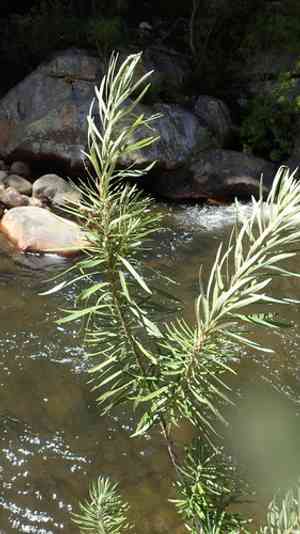
Riverbells (Ixianthes retzioides)
Riverbells flaunts delicate blooms with a unique shade of azure, set amidst slender leaves. Originating in well-drained, sandy soils, riverbells thrives in full sun, its flowers emerging as striking highlights against the greenery. Adapted to attract specific pollinators, its vibrant petals and moderate stature are a testament to its resilience in its native habitat.
In This Article
Attributes of Riverbells
Lifespan
Perennial
Plant Type
Herb
Plant Height
Height information is currently unavailable.
Spread
Crown diameter information is currently unavailable.
Leaf Color
Green
Flower Size
Flower diameter information is currently unavailable.
Flower Color
Typically bright and vivid.
Images of Riverbells
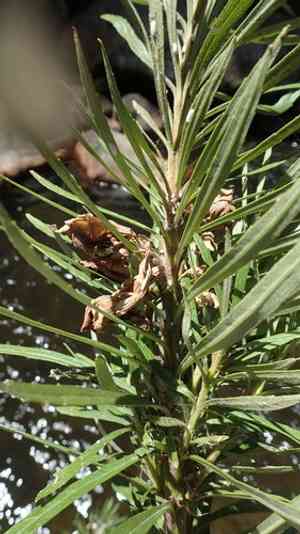
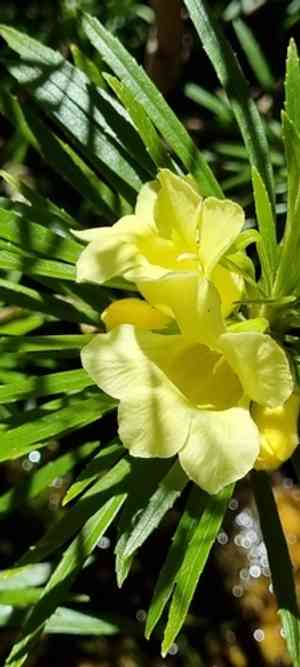
Quickly Identify Riverbells
1
This plant can be identified by its unique flower morphology, generally displaying tubular flowers that are usually brightly colored.
Scientific Classification of Riverbells
Phylum
Vascular plants
Class
Dicotyledons
Order
Lamiales
Family
Stilbe
Genus
Riverbells
Species
Riverbells
Planting and Growing of Riverbells
Care Difficulty
Moderate
Watering Schedule
Every 2 days
Sunlight Requirements
Partial sun
Sunshine Duration
4-6 hours
Ideal Temperature
68-77℉
Soil Type
Potting Mix, Peat Mix
Soil pH
6.5-7.5
Fertilizer Type
Balanced
Pruning Season
Spring, Summer
Pruning Area
Branches, Leaves
Pruning Frequency
2 times a year
Repotting Season
Spring
Pot Type
Ceramic, Plastic
 How to Water Riverbells?
When watering Ixianthes retzioides, ensure the soil is soaked but not waterlogged, using approximately 250 milliliters each time. This ensures the roots get sufficient moisture while preventing rot.
What are the symptoms of an underwatered Riverbells?
›
What should I do if my Riverbells is not getting enough water?
›
What are the symptoms of an overwatered Riverbells?
›
How to save an overwatered Riverbells?
›
 What Are the Sunlight Requirements for Riverbells?
Ixianthes retzioides thrives in partial sunlight, where it benefits most from a mix of morning light and afternoon shade. This balance encourages vibrant leaf coloration and strong structural growth.
What is the ideal light condition for Ixianthes retzioides?
›
How to provide the perfect light for Ixianthes retzioides?
›
What benefits does the ideal light provide to Ixianthes retzioides?
›
 What Is the Ideal Temperature Range for Riverbells?
Ixianthes retzioides thrives well in temperatures ranging from 68°F to 77°F. This temperature range ensures optimal growth and health of the plant by providing a warm and stable environment. Such conditions mimic its native habitat and help in maintaining the necessary metabolic processes. Sufficient warmth ensures that the plant maintains its vibrant appearance, continuous growth, and resilience against minor environmental stressors.
 What Soil is Best for Riverbells?
Ixianthes retzioides thrives in well-drained soil, which prevents root rot and other waterlogged-related issues. Ensuring efficient drainage is crucial to maintaining healthy root systems. Having a nutrient-rich medium supports the growth and vibrant flowering of Ixianthes retzioides. Regular supplementation with organic matter enriches the soil and provides essential nutrients. The soil's aerated structure allows roots to access oxygen easily, promoting robust plant growth. Turning or loosening the soil occasionally helps in preserving this structure.
 How to Fertilize Riverbells?
For Ixianthes retzioides, the use of fertilizer should be balanced to avoid both under-fertilization and over-fertilization. A quarter strength of a balanced liquid fertilizer per feeding, adjusted for the plant size, is ideal. Ensure soil pH is maintained around 6.0-6.5 to optimize nutrient absorption.
 How to Prune Riverbells?
Begin pruning by inspecting the plant for any dead or diseased stems, which should be removed immediately to prevent the spread of pathogens. Use sharp, clean pruning shears to make cuts at a 45-degree angle to promote healing. Focus on maintaining an open, airy structure to enhance light penetration and air circulation, which are crucial for plant health. Trim back overgrown branches to a lateral branch or bud to encourage new growth.
More About Pruning Techniques→
 How to Propagate Riverbells plant?
1
Select healthy plant sections or mature seeds. For cuttings, cut a section just below a node and strip the lower leaves. Seeds should be cleaned and free from any debris.
2
Place cuttings about 2 inches deep in the medium. If sowing seeds, sprinkle them evenly across the tray and cover lightly with soil. Keep the medium moist but not waterlogged.
3
Ensure a consistent temperature around 20-25°C. Cover trays with a plastic dome to retain humidity and mist regularly to maintain the required moisture levels.
 How to Repot Riverbells plant?
1
Ixianthes retzioides generally needs repotting when you see its roots coming out of the drainage holes or if the growth seems stunted. Another clear sign is when the plant's leaves start yellowing without any apparent reason. Repotting is best done during early spring or autumn when the plant is not in active blooming. These seasons provide the plant enough time to adapt to its new environment and continue its growth cycle.
2
When selecting a pot for Ixianthes retzioides, opt for one that is 1-2 inches larger in diameter than the current one. Ensure the pot has sufficient drainage holes to prevent waterlogging, which can lead to root rot. A slightly larger pot gives room for root expansion, promoting healthy growth while the drainage prevents stagnation.
3
For Ixianthes retzioides, select a well-draining acidic soil mix that retains some moisture but doesn't stay soggy. A mix enriched with perlite, peat, and bark would work well. This type of soil allows for proper aeration and avoids compacting, ensuring roots have room to breathe and absorb nutrients efficiently.
Learn More About Riverbells Diseases
Anthracnose
Bacterial Leaf Spot
Bacterial Soft Rot
Bacterial Wilt
Black Spot
Chemical Injury
Crown Gall
Cyst Nematode
Damping-off
Downy Mildew
Drought Stress
Fusarium Wilt
Gray Mold
Leaf Curl
Leaf Spot
Mosaic
Nutrient Deficiency
Nutrient Toxicity
Powdery Mildew
Root Rot
Root-knot Nematode
Rusts
Sooty Mold
Spider Mites
Temperature Stress
Thrips Damage
White Mold



