How to Prune Spuria beardless iris?
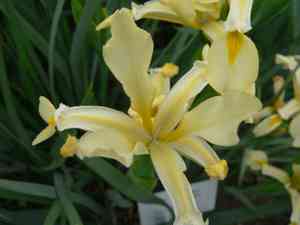
A lofty, vivid perennial, spuria beardless iris displays prominent sword-shaped foliage and vivid blossoms. Trimming ought to occur in early spring or following summer flowering, guaranteeing the elimination of withered leaves and faded flower stems to stimulate fresh development and preserve plant vitality. Reducing the foliage in autumn deters illness. Pruning not only maintains the neatness of spuria beardless iris but also boosts blooming in the subsequent period.
Advantages of Trimming Spuria Beardless Iris
Advantages of Trimming Spuria Beardless Iris
Trimming spuria beardless iris encourages robust development and helps maintain its form. Regular cutting after blooming eliminates spent flowers, fostering healthier, denser growth and enhancing the plant's overall visual appeal.
Optimal Time for Trimming Spuria Beardless Iris
Optimal Time for Trimming Spuria Beardless Iris?
Pruning spuria beardless iris in late spring or early summer is ideal, coinciding with the end of its flowering cycle. During this period, faded blooms can be removed to improve the plant's appearance and prevent seed formation, which can divert energy from root and foliage growth. This timing also aids in preparing spuria beardless iris for the subsequent growing season by revitalizing the plant and promoting new development. Ensuring pruning occurs post-flowering allows the plant to conserve energy and focus on healthy root and leaf growth for the upcoming year.
Tools Required for Pruning Spuria Beardless Iris
Garden Shears (or Secateurs)
These are perfect for trimming and shaping spuria beardless iris due to their accuracy and ease of use. Small, sharp blades enable clean cuts on the fleshy, fibrous leaves without harming the plant.
Long-Handled Loppers
These tools might be necessary if the spuria beardless iris are particularly tall or mature, making them hard to reach with shorter implements. They will assist in efficiently managing the plant without excessive bending, thereby preventing strain.
Garden Knives
These are useful for removing dead or diseased rhizomes from spuria beardless iris. The precision offered by a garden knife allows for targeted cuts, minimizing damage to the healthy parts of the plant.
Steps to Prune Spuria Beardless Iris
Identify
Locate and pinpoint diseased, damaged, or withered leaves and stems on spuria beardless iris. Carefully look for any signs of discoloration, spots, or decay, which typically indicate unhealthy or dead tissue.
Sanitize
Disinfect pruning tools before use. Clean your shears or scissors with a bleach or alcohol solution to prevent the spread of disease between plants during the pruning process.
Trim leaves
Carefully cut off diseased or withered leaves at their base where they connect to the stem. Use clean, sharp shears and make smooth cuts to avoid tearing, which could cause unnecessary stress or damage to spuria beardless iris.
Trim stems
Cut back diseased stems down to healthy tissue, ensuring each cut is just above a leaf axil or bud to encourage healthy regrowth. If the entire stem is diseased, remove it at the base or its point of origin from the main plant body.
Cleanup
Properly dispose of all trimmed materials. Do not compost diseased or withered plant parts as they can harbor pathogens. Clear debris from around spuria beardless iris to keep the area tidy and deter pests.
Common Pruning Errors with Spuria Beardless Iris
Over pruning
A frequent error is removing too much foliage or cutting back too aggressively. This can stress spuria beardless iris, diminishing its vigor and blooming potential.
Improper cutting technique
Gardeners might mistakenly prune using dull or dirty tools, which can result in jagged cuts that are more vulnerable to pest and disease issues.
Incorrect pruning locations
Cutting too close to the rhizome or not making precise cuts can inadvertently harm healthy parts of spuria beardless iris, negatively impacting its overall health.
General Pruning Advice for Spuria Beardless Iris
Use sharp clean tools
Always prune with sharp, sterilized pruning shears to ensure clean cuts that heal quickly, minimizing stress and disease risks.
Correct pruning amount
Remove only dead or diseased foliage and spent flower stalks. Prune up to one third of the leaves if necessary to shape or rejuvenate older clumps, but avoid excessive cutting back.
Targeted pruning approach
Focus on removing materials that do not contribute to the health or aesthetics of spuria beardless iris, such as broken stems or overcrowded areas, which improves air circulation and light penetration.



