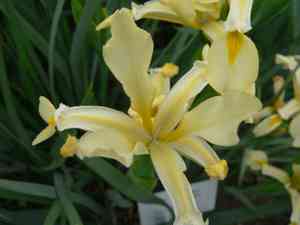
Spuria beardless iris (Iris orientalis)
Also known as: Turkish iris, Golden iris
The Spuria beardless iris is primarily found in the Middle East and the Eastern Mediterranean. This hardy, semi-evergreen perennial is often cultivated in temperate regions for its ornamental value. It is commonly used in rock gardens and makes an excellent cut flower, adding beauty to both garden landscapes and indoor arrangements.
In This Article
Attributes of Spuria beardless iris
Lifespan
Perennial
Plant Type
Herb
Plant Height
90 cm
Spread
30 cm
Leaf Color
Green Gray
Flower Size
10-15 cm
Flower Color
White Yellow
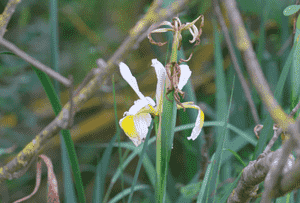
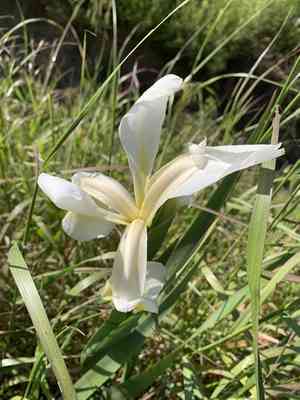
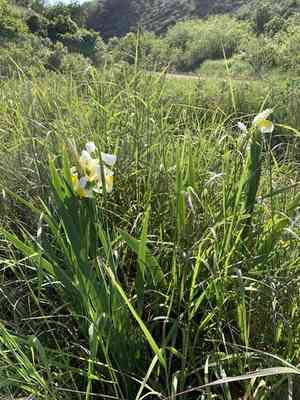
Images of Spuria beardless iris
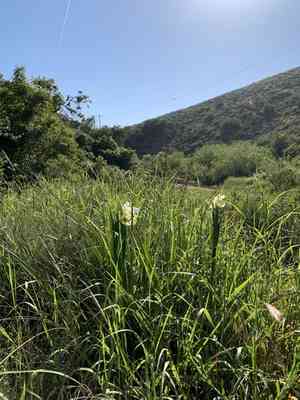
Quickly Identify Spuria beardless iris
1
Look for its prominent, sword-shaped leaves and distinctive white flowers with yellow markings. The flowers typically have a broad, flattened shape with three larger outer petals and three inner petals.
Scientific Classification of Spuria beardless iris
Phylum
Vascular plants
Class
Monocotyledons
Order
Asparagales
Family
Iris
Genus
Irises
Species
Spuria beardless iris
Planting and Growing of Spuria beardless iris
Care Difficulty
Easy
Watering Schedule
Every 3 days
Sunlight Requirements
Full sun
Sunshine Duration
4-8 hours
Ideal Temperature
60-75℉
Soil Type
Potting Mix, Peat Mix
Soil pH
6.5-7.5
Fertilizer Type
Balanced
Pruning Season
Spring, Summer
Pruning Area
Branches, Leaves
Pruning Frequency
2 times a year
Repotting Season
Spring
Pot Type
Terracotta, Plastic
 How to Water Spuria beardless iris?
Iris orientalis prefers a moderate amount of water. It's essential to ensure the soil remains evenly moist, without becoming waterlogged. The goal is to mimic its natural environment where the plant has consistent access to moisture but not an overflow of water. Watering with about 500 ml per session should suffice, allowing for deep, thorough soaking of the soil.
What are the symptoms of an underwatered Spuria beardless iris?
›
What should I do if my Spuria beardless iris is not getting enough water?
›
What are the symptoms of an overwatered Spuria beardless iris?
›
How to save an overwatered Spuria beardless iris?
›
 What Are the Sunlight Requirements for Spuria beardless iris?
Partial to full sun is ideal for Iris orientalis. This range ensures strong growth and abundant flower production, contributing to the plant's lush appearance and health.
What is the ideal sunlight exposure for Iris orientalis?
›
How can I ensure Iris orientalis gets its ideal light?
›
What benefits does ideal sunlight provide for Iris orientalis?
›
 What Is the Ideal Temperature Range for Spuria beardless iris?
For Iris orientalis, the ideal temperature range is between 60°F and 75°F. This range ensures optimal cellular processes and promotes vigorous growth and flowering. Outside of this range, the plant's physiological processes may slow down or become compromised, affecting overall health.
 What Soil is Best for Spuria beardless iris?
Iris orientalis thrives in well-drained soil which prevents waterlogging, crucial for root health. Excess water can cause root rot, but with proper drainage, roots receive adequate oxygen, promoting healthy growth and vibrant blooms. Nutrient-rich soil is essential for Iris orientalis as it supports its robust foliage and flowering. A healthy balance of organic matter ensures the plant has access to essential nutrients, allowing it to thrive and produce striking flowers. Iris orientalis prefers soil that retains moisture but is not overly wet. This ensures the plant remains hydrated without the risk of fungal diseases, providing the roots with the ideal growing environment.
 How to Fertilize Spuria beardless iris?
For Iris orientalis, the optimal fertilizer amount involves applying a balanced 10-10-10 or 12-12-12 NPK fertilizer. Liquid fertilizers should be diluted to half strength, around one tablespoon per gallon of water, to prevent root burn and ensure effective nutrient uptake.
 How to Prune Spuria beardless iris?
Begin by examining the plant and identifying dead, damaged, or diseased leaves. Removing these helps your plant focus energy on producing healthy new growth. After the blooming season, cut back faded flower stalks near their base. This step aids in redirecting the plant’s energy from seed production to rhizome and leaf growth. If parts of your Iris orientalis get too crowded, thin them out by removing some fans. This promotes better air circulation and reduces the risk of diseases. Throughout the growing season, cut back any brown or wilting leaves at the base to improve the overall aesthetic look and health of the plant.
More About Pruning Techniques→
 How to Propagate Spuria beardless iris plant?
1
Choose healthy, mature Iris orientalis plants for propagation. Healthy plants have vigorous growth, are free from diseases and pests, and are typically found in well-drained soil with adequate sunlight exposure. This ensures the offspring are robust and resilient.
2
Prepare a well-draining soil mix before sowing seeds or planting divisions. The soil should be rich in organic matter and have a pH level suitable for irises. You can add perlite or sand to enhance drainage, as waterlogged soil can lead to root rot.
3
For seed propagation, scatter the seeds evenly across the seed tray and cover them lightly with soil. In division propagation, plant the divided rhizomes at a depth where their tops are just visible at the soil surface. Water gently after planting to settle the soil.
 How to Repot Spuria beardless iris plant?
1
Iris orientalis should be repotted when you notice roots emerging from the drainage holes, indicating that the plant has outgrown its current pot. This usually happens every 2-3 years. The best time to repot is early spring before new growth starts. This gives the plant a fresh environment for the new growing season.
2
Select a pot that is one size larger than the current one with good drainage holes at the bottom. A slightly larger pot provides additional space for root development, which can enhance the growth of Iris orientalis. Avoid oversized pots as they retain too much moisture, leading to root rot.
3
Choose a well-draining garden soil mixed with some compost. The soil should be loose so that it can drain water efficiently while still providing the necessary nutrients. This type of soil composition prevents waterlogging, which could lead to root rot, ensuring the plant thrives in its new environment.
Toxicity
Ingestion
WARNING
The judgment on toxicity and danger is for reference only. We DO NOT GUARANTEE any accuracy of such judgment. Therefore, you SHALL NOT rely on such judgment. It is IMPORTANT TO SEEK PROFESSIONAL ADVICE in advance when necessary.
Learn More About Spuria beardless iris Diseases
Anthracnose
Bacterial Leaf Spot
Bacterial Soft Rot
Bacterial Wilt
Chemical Injury
Crown Gall
Cyst Nematode
Damping-off
Downy Mildew
Drought Stress
Fusarium Wilt
Gray Mold
Leaf Spot
Mosaic
Nutrient Deficiency
Nutrient Toxicity
Powdery Mildew
Root Rot
Root-knot Nematode
Rusts
Sooty Mold
Spider Mites
Temperature Stress
Thrips Damage
White Mold



