How to Prune Spiked ipomopsis?
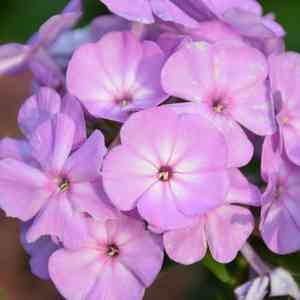
Spiked ipomopsis, a notable flowering specimen recognized for its lofty, pointed blossoms, thrives with deliberate trimming. Essential methods involve shortening elongated stalks and detaching faded flowers to foster denser development and extended flowering. The most suitable periods for this maintenance are late winter and early spring, coinciding with its natural development phase. Performing this task during these intervals guarantees robust new shoots and prevents excessive height, thereby boosting the plant's general health and aesthetic charm. Employing sanitized, keen implements is crucial to mitigate the potential for illness.
What Are the Benefits of Pruning Spiked Ipomopsis?
What Are the Benefits of Pruning Spiked Ipomopsis?
Trimming spiked ipomopsis promotes robust development and helps maintain its form. Regular cutting eliminates dead or crowded stems, improving air circulation and lowering disease risk. Timely trimming also boosts flowering efficiency and overall plant vigor, ensuring a healthy and attractive look.
What Is the Best Time for Pruning Spiked Ipomopsis?
What Is the Best Time for Pruning Spiked Ipomopsis?
Pruning spiked ipomopsis in early spring or late winter is optimal as it coincides with the plant's dormant phase, minimizing stress and enabling strong regrowth when the active season begins. Trimming during these periods also helps ensure the plant's peak health and vitality, as it prepares for its main growth and flowering stages in late spring and summer. Furthermore, this timing reduces the likelihood of disease and pest infestations, which are more common in warmer months.
What Tools Do I Need to Prune Spiked Ipomopsis?
Bypass Pruners
These are perfect for precise cuts and handling delicate parts of spiked ipomopsis, minimizing stem crushing.
Hand Pruners (Secateurs)
Useful for trimming smaller branches and faded flowers of spiked ipomopsis, ensuring clean cuts for healthy growth.
Pruning Shears
Effective for cutting through slightly thicker stems, especially useful for shaping and maintaining spiked ipomopsis.
Garden Scissors
Ideal for detailed deadheading and removing spent flowers from spiked ipomopsis without harming the plant.
How to Prune Spiked Ipomopsis
Assess
Start by carefully checking the plant spiked ipomopsis for any diseased or withered leaves. This provides a basis for targeted removal without unnecessary cuts.
Clean Tools
Sanitize your pruning shears or scissors with rubbing alcohol or a solution of 1 part bleach to 9 parts water to prevent disease spread.
Remove Diseased Leaves
Cut off any diseased leaves first. Make clean cuts just below the affected area to ensure all diseased material is gone. Dispose of these leaves away from the plant to prevent re-infection.
Trim Withered Leaves
Locate the withered leaves that need trimming. Using your sterilized tool, cut back each withered leaf to just above the plant's base or to the nearest healthy stem part.
Disposal
Properly discard all removed plant material. Do not compost diseased leaves; instead, bag and dispose of them to prevent disease spread to your garden.
Common Pruning Mistakes with Spiked Ipomopsis
Over-pruning
Removing too much foliage at once can stress spiked ipomopsis and reduce its ability to photosynthesize, affecting overall health and growth.
Improper Technique
Using dull or dirty tools can cause jagged cuts and introduce infections. Always use sharp, clean pruners for clean cuts.
Incorrect Timing
Pruning at the wrong time, especially during active growth phases, can hinder blooming and may encourage undesirable growth patterns.
Ignoring Deadheading
Failing to remove spent flowers can lead to a leggy appearance and reduce energy for new blooms.
Cutting Too Close
Pruning too near the main stem can damage the plant and delay recovery, potentially causing dieback.
Common Pruning Tips for Spiked Ipomopsis
Moderation in Pruning
Trim no more than one-third of the plant at a time to maintain a balance between foliage and root systems.
Use Proper Tools
Invest in high-quality, sharp pruning shears to make clean cuts and reduce the risk of plant disease.
Deadheading Regularly
Remove the spent blooms to encourage more flowers and maintain a tidy appearance.
Sanitize Tools
Disinfect pruning tools before and after use to prevent the spread of diseases.
Angle Cuts
Make cuts at a 45-degree angle to prevent water from pooling on the cut surfaces, reducing the risk of rot.


