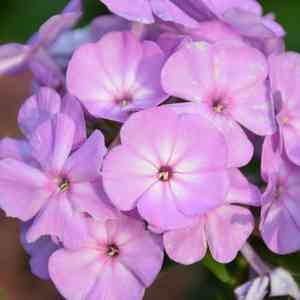
Spiked ipomopsis (Ipomopsis spicata)
Also known as: Narrow-leaved Ipomopsis, Spiked Ipomopsis, Spiked Gilia
Spiked ipomopsis is a remarkable plant characterized by its tall, slender stems and eye-catching, trumpet-shaped flowers in vivid reds, oranges, or yellows, often featuring speckled throats. These colorful blooms are particularly attractive to hummingbirds and butterflies. The plant is well-adapted to dry, open environments due to its ability to endure intense sunlight and nutrient-poor soils. Its narrow leaves reduce water loss, while a deep taproot system allows it to access moisture from deeper soil layers, ensuring its survival during drought periods.
In This Article
Attributes of Spiked ipomopsis
Lifespan
Biennial
Plant Type
Herb
Plant Height
24-36 inches (60-90 cm)
Spread
12-24 inches (30-60 cm)
Leaf Color
Green
Flower Size
0.5 inches (1.2 cm)
Flower Color
Pink, Lavender
Images of Spiked ipomopsis
Quickly Identify Spiked ipomopsis
1
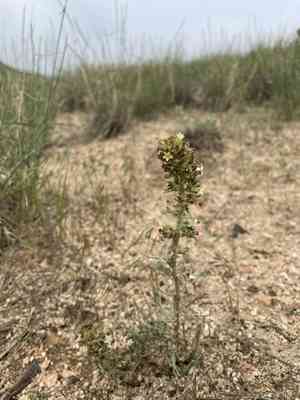
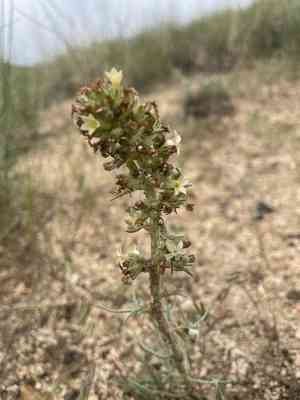
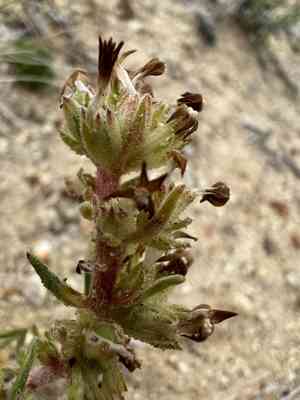
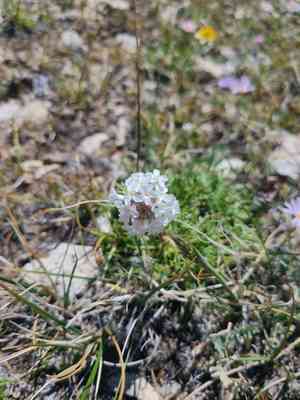
Identify Ipomopsis spicata by its tall, slender, spiky inflorescence which can reach up to 2 feet tall. The leaves are usually narrow and finely divided. Flowers are tubular with five lobes, typically pink to lavender, and prominently clustering along the spike.
Scientific Classification of Spiked ipomopsis
Phylum
Vascular plants
Class
Dicotyledons
Order
Ericales
Family
Phlox
Genus
ipomopsis
Species
Spiked ipomopsis
Planting and Growing of Spiked ipomopsis
Care Difficulty
Moderate
Watering Schedule
Every 4 days
Sunlight Requirements
Full sun
Sunshine Duration
6-10 hours
Ideal Temperature
60-75℉
Soil Type
Potting Mix, Peat Mix
Soil pH
6.5-7.5
Fertilizer Type
Balanced
Pruning Season
Spring, Summer
Pruning Area
Branches, Leaves
Pruning Frequency
2 times a year
Repotting Season
Spring
Pot Type
Plastic, Ceramic
 How to Water Spiked ipomopsis?
Ipomopsis spicata, commonly known as Skyrocket, thrives in well-drained soils. Watering should mimic natural rainfall patterns; aim for the soil to be moist but not waterlogged. Approximately 200ml per watering should suffice, ensuring the topsoil is adequately damp without pooling water.
What are the symptoms of an underwatered Spiked ipomopsis?
›
What should I do if my Spiked ipomopsis is not getting enough water?
›
What are the symptoms of an overwatered Spiked ipomopsis?
›
How to save an overwatered Spiked ipomopsis?
›
 What Are the Sunlight Requirements for Spiked ipomopsis?
Full sun exposure is ideal for Ipomopsis spicata, encompassing 6 to 8 hours of direct sunshine. This exposure facilitates optimal photosynthetic activity, crucial for vigorous growth and plentiful flowering.
What amount of sunlight does Ipomopsis spicata prefer?
›
How can I ensure my Ipomopsis spicata receives the ideal light conditions?
›
What benefits does Ipomopsis spicata gain from ideal lighting?
›
 What Is the Ideal Temperature Range for Spiked ipomopsis?
The ideal temperature range for growing Ipomopsis spicata is between 60°F and 75°F. This range offers the best conditions for germination and growth, ensuring the plant has access to necessary warmth and sunlight for maximum photosynthetic activity. Maintaining this range helps avoid stress conditions that could inhibit healthy development.
 What Soil is Best for Spiked ipomopsis?
Ipomopsis spicata flourishes in well-drained soil, which ensures its roots do not sit in water. This type of soil helps prevent root rot, promotes healthy growth, and supports the plant's vibrant blooms. A nutrient-rich soil provides Ipomopsis spicata with essential minerals for robust growth. This requirement ensures the plant has adequate energy for flowering and producing seeds. Ipomopsis spicata prefers soil with a slightly acidic to neutral pH range. Such a pH environment supports optimal nutrient uptake and aids in maintaining the plant's overall health.
 How to Fertilize Spiked ipomopsis?
Ipomopsis spicata benefits from a balanced fertilizer application. Use a liquid fertilizer with a 10-10-10 NPK ratio, diluted at half strength. For slow-release fertilizers, apply around 1-1.5 lbs per 100 sq ft, ensuring you don't over-fertilize as it could harm the plant.
 How to Prune Spiked ipomopsis?
Begin by examining the plant for any dead or damaged stems. Trim these back to the base to promote new, healthy growth. This ensures that the plant directs its energy toward more productive parts. Ipomopsis spicata can become leggy if not properly maintained. Trim back elongated stems to shape the plant and control its size, ensuring it remains compact and aesthetically pleasing. This also encourages denser branching. To enhance flower production, prune spent flower spikes after blooming has completed. This redirection of energy helps to foster new blooms and may prolong the flowering period, showcasing the plant's natural beauty.
More About Pruning Techniques→
 How to Propagate Spiked ipomopsis plant?
1
Collect mature seeds from the plant in late summer or early autumn. Ensure the seeds are dry and free from any debris before storage or planting.
2
Sow the seeds in a well-prepared seedling tray filled with potting mix. Cover lightly with soil and water gently to avoid disturbing the seeds.
3
Place the seedling tray in a location with indirect sunlight. Maintain consistent moisture and temperature around 70°F (21°C) for optimal germination.
 How to Repot Spiked ipomopsis plant?
1
Ipomopsis spicata exhibits a need for repotting when you notice roots coming out from the drainage holes or when the plant's growth slows significantly. Also, if the soil becomes compacted or doesn’t retain water as it used to, you know it's time for a change.
2
Select a pot that is one size larger than the current one, ideally 1-2 inches wider in diameter. It ensures that the plant has ample room to grow without overwhelming its root system. Using a pot with drainage holes is crucial to prevent waterlogging, which can lead to root rot.
3
Choose a well-draining, sandy mix that mimics its natural alpine habitat. This type of soil prevents root rot by allowing excess moisture to escape and provides the aeration necessary for healthy root development. Mixing in some perlite or vermiculite can enhance drainage further.


