How to Prune Iron ipomopsis?
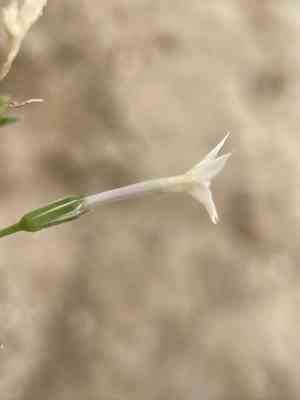
Iron ipomopsis exhibits elevated, delicate stalks adorned with trumpet-shaped blossoms. The most suitable periods for trimming iron ipomopsis are in late winter or early spring, prior to the emergence of fresh shoots. Eliminate any deceased or compromised stems to foster more robust development, and thin congested sections to enhance air movement. Trimming stimulates more abundant blooming and can aid in preserving a more appealing form. Always employ sanitized, keen implements to avert illness.
Advantages of Trimming Iron Ipomopsis
Advantages of Trimming Iron Ipomopsis
Trimming iron ipomopsis promotes robust development and helps maintain its form. This action eliminates dead or damaged sections, enhances air movement, and boosts overall vitality, making the plant more resilient to pests and illnesses.
Optimal Period for Trimming Iron Ipomopsis
Optimal Period for Trimming Iron Ipomopsis
Trimming iron ipomopsis in early spring and late winter is ideal as it allows the plant to recover and initiate new growth during the upcoming active season. This timing ensures that pruning does not interfere with the plant's natural blooming cycle, which typically occurs later in the growing season. Performing pruning during these times also minimizes the risk of disease and pest infestation, as the plant is in a dormant state and less susceptible to infections. Additionally, pruning during these seasons can help maintain the overall health and vigor of iron ipomopsis, promoting better growth and flowering.
Necessary Tools for Trimming Iron Ipomopsis
Hand Pruners
Perfect for making clean cuts on small stems and branches, typically under 1/2 inch in diameter. This ensures precise removal of unwanted growth without harming the plant's structure.
Bypass Loppers
Useful for cutting thicker stems and branches, generally ranging from 1/2 to 1 inch in diameter. The bypass mechanism ensures clean, smooth cuts crucial for the health of iron ipomopsis.
Pruning Saw
Essential for trimming larger, more mature branches that cannot be managed with hand pruners or loppers. A sharp, fine-tooth pruning saw can ensure a clean cut, minimizing damage and promoting proper healing.
Sterilizing Solution
Important for disinfecting tools before and after use to prevent the transfer of diseases. This is especially crucial for iron ipomopsis to maintain plant health and vigor.
How to Trim Iron Ipomopsis
Remove
Inspect iron ipomopsis for any diseased leaves. Use sanitized pruning shears to cut off these leaves at their base to prevent the spread of disease.
Discard
Safely dispose of the removed diseased leaves. Avoid composting them as this can reintroduce pathogens into the garden.
Trim
Identify withered leaves on iron ipomopsis. Carefully trim these leaves close to their base without damaging the healthy parts of the plant.
Cleanup
Ensure all cuts are clean and free of jagged edges to promote quick healing. Clean your pruning tools between cuts to maintain plant health.
Monitor
Regularly monitor iron ipomopsis for any new signs of disease or withering, and take prompt action as needed to maintain plant vigor.
Common Trimming Errors with Iron Ipomopsis
Incorrect Method
Many gardeners make the mistake of using improper tools or not making clean cuts, which can damage the plant and make it more susceptible to diseases. Always use sharp, sterilized pruning shears to ensure clean cuts.
Excessive Trimming
Over-pruning can harm iron ipomopsis by reducing its ability to photosynthesize and weakening its structure. It is important to only remove necessary parts and avoid cutting more than a third of the plant at one time.
Trimming at the Wrong Time
Timing is crucial. Pruning iron ipomopsis during the wrong period of its growth cycle can result in reduced flowering and hindered growth. While the specific season isn't covered here, it's important to research and adhere to proper timing based on trusted gardening guides.
Ignoring Dead or Diseased Stems
Neglecting to remove dead or diseased stems can lead to the spread of infections and further health deterioration in iron ipomopsis. Always inspect and remove any unhealthy parts promptly.
General Trimming Advice for Iron Ipomopsis
Utilize Appropriate Tools
Invest in high-quality, clean, and sharp pruning shears. This ensures that cuts are smooth and less likely to introduce disease or cause unnecessary damage.
Identify and Eliminate Problem Areas First
Start by cutting away any dead, damaged, or diseased stems to prevent pathogens from spreading. This helps maintain the overall health of iron ipomopsis.
Execute Precise Cuts
Aim for precision by cutting just above a node or bud to encourage new growth. Avoid leaving stubs, as these can become an entry point for diseases.
Shape Gradually
Gradually shape iron ipomopsis to avoid over-pruning. This approach helps in maintaining the plant's natural form and encourages sturdy, healthy growth.
Observe and Adjust
Regularly monitor the plantâs growth and adjust your pruning practices as necessary. Each plant may respond differently, and attentive care will ensure better results.
Enhance Air Circulation
Ensure that the plant has good air circulation by thinning out overcrowded areas. This helps in preventing fungal infections and promotes overall vigor.


