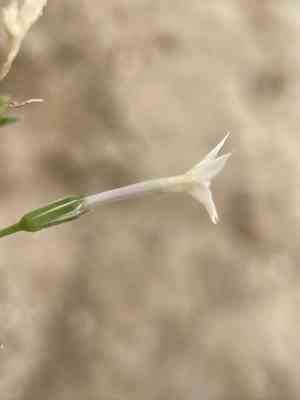
Iron ipomopsis (Ipomopsis laxiflora)
Also known as: Spreading gilia
The Iron ipomopsis is a delicate wildflower that thrives in arid, sun-drenched environments. This plant is characterized by its slender stems and fern-like leaves, which give it a light, airy look. Its striking red to orange tubular flowers, which attract hummingbirds, are grouped loosely at the top of the stems, showcasing its adaptation to dry, rocky slopes and open woodlands.
In This Article
Attributes of Iron ipomopsis
Lifespan
Biennial
Plant Type
Herb
Plant Height
Up to 60 cm
Spread
Approximately 30-40 cm
Leaf Color
Green
Flower Size
1-2 cm
Flower Color
White to light pink
Images of Iron ipomopsis
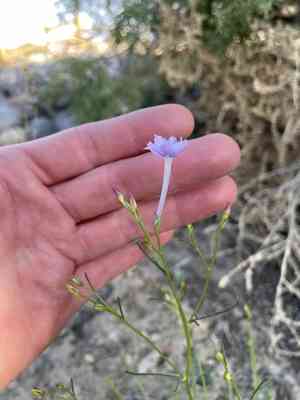
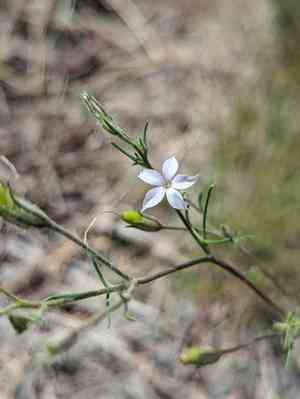
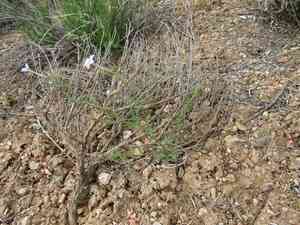
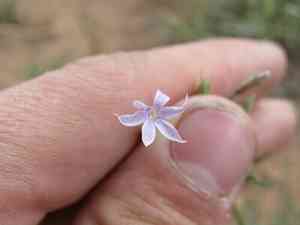
Quickly Identify Iron ipomopsis
1
Ipomopsis laxiflora can be identified by its sparse, spreading growth habit and distinctively delicate flowers, which are usually white or pale pink with a tubular shape. The plant\'s leaves are linear and finely divided, generally forming a rosette at the base.
Scientific Classification of Iron ipomopsis
Phylum
Vascular plants
Class
Dicotyledons
Order
Ericales
Family
Phlox
Genus
ipomopsis
Species
Iron ipomopsis
Planting and Growing of Iron ipomopsis
Care Difficulty
Moderate
Watering Schedule
Every 2 days
Sunlight Requirements
Full sun
Sunshine Duration
6-10 hours
Ideal Temperature
60-75℉
Soil Type
Potting Mix, Peat Mix
Soil pH
6.5-7.5
Fertilizer Type
Balanced
Pruning Season
Spring, Summer
Pruning Area
Branches, Leaves
Pruning Frequency
2 times a year
Repotting Season
Spring
Pot Type
Plastic, Ceramic
 How to Water Iron ipomopsis?
Ipomopsis laxiflora prefers well-drained soil and infrequent watering to imitate its natural arid environment. Watering should be thorough yet moderate, with around 250 ml ensuring the soil is moist but not waterlogged, allowing excess water to drain completely.
What are the symptoms of an underwatered Iron ipomopsis?
›
What should I do if my Iron ipomopsis is not getting enough water?
›
What are the symptoms of an overwatered Iron ipomopsis?
›
How to save an overwatered Iron ipomopsis?
›
 What Are the Sunlight Requirements for Iron ipomopsis?
Ipomopsis laxiflora prefers a mix of full sun to partial sun, benefiting from the energetic intensity of unfiltered sunlight, critical for robust flowering and healthy growth.
What is the ideal lighting condition?
›
How can you achieve the ideal light conditions?
›
What are the benefits of ideal lighting?
›
 What Is the Ideal Temperature Range for Iron ipomopsis?
The ideal temperature range for Ipomopsis laxiflora ensures optimal growth and development. Maintaining temperatures between 60°F and 75°F allows the plant to photosynthesize efficiently, enabling vital processes such as nutrient uptake and cell division. Cool nights followed by warm days mimic natural conditions, promoting robust plant health and flower development.
 What Soil is Best for Iron ipomopsis?
Ipomopsis laxiflora thrives in well-drained soil, which prevents waterlogging and root rot. This type of soil ensures the roots receive adequate air and nutrient exchange, promoting healthy growth and vibrant blooms. This plant prefers soil enriched with organic matter, providing essential nutrients that support its growth cycle. The presence of nutrients aids in developing strong stems and enhances flower production. Ipomopsis laxiflora does well in moderately fertile soils where the natural fertility is balanced, avoiding excessive nitrogen that could lead to more foliage and less flowering.
 How to Fertilize Iron ipomopsis?
For Ipomopsis laxiflora, the fertilizer amount should be carefully balanced to promote healthy growth without overwhelming the plant. When using a liquid fertilizer, dilute it to half strength to avoid nitrogen burn, as this plant is adapted to nutrient-poor soils.
 How to Prune Iron ipomopsis?
Begin by examining the overall shape of the Ipomopsis laxiflora. Using sharp, sterilized pruning shears, remove any dead or damaged stems at the base. Cut back tall, leggy growth to maintain a more compact form, enhancing sunlight penetration and airflow. Always make cuts just above a leaf node to encourage new shoots and fuller growth. Thin out dense areas slightly to prevent overcrowding which can lead to disease.
More About Pruning Techniques→
 How to Propagate Iron ipomopsis plant?
1
To propagate from seeds, start by sowing seeds on the surface of a well-draining seed-starting mix. Lightly cover with soil and keep moist until germination occurs, which typically takes 2-3 weeks.
2
For cutting propagation, select a healthy parent plant and make a 4-6 inch cutting just below a node. Remove the lower leaves to reduce moisture loss and dip the cut end in rooting hormone for better root development.
3
After preparing seeds or cuttings, place them in a propagation tray filled with the appropriate medium. Ensure they are well-spaced to allow air circulation and then cover lightly to maintain humidity.
 How to Repot Iron ipomopsis plant?
1
Ipomopsis laxiflora requires repotting when you notice roots emerging from the drainage holes or general poor growth. These signs indicate the plant has outgrown its current pot and needs fresh soil to thrive. Ideal repotting times are during active growth periods in spring or summer when the plant can quickly recover.
2
Selecting the right pot for Ipomopsis laxiflora is crucial. Opt for a pot that's only slightly larger than the current one—this prevents excess soil from retaining too much moisture, which could cause root rot. Ensure it has adequate drainage holes to allow excess water to escape, mimicking the plant's natural dry habitat.
3
For Ipomopsis laxiflora, aim for a well-draining sandy soil mix. This type of soil replicates the plant’s natural environment, allowing it to develop healthy roots. The added sand ensures that soil compaction doesn't occur, facilitating better water movement around the root system, and reducing the risk of waterlogging.
Learn More About Iron ipomopsis Diseases
Anthracnose
Bacterial Leaf Spot
Bacterial Wilt
Chemical Injury
Damping-off
Downy Mildew
Drought Stress
Fusarium Wilt
Gray Mold
Leaf Curl
Leaf Spot
Mosaic
Nutrient Deficiency
Nutrient Toxicity
Powdery Mildew
Root Rot
Root-knot Nematode
Rusts
Sooty Mold
Spider Mites
Temperature Stress
Thrips Damage
White Mold


