How to Prune Thurber's morning-glory?
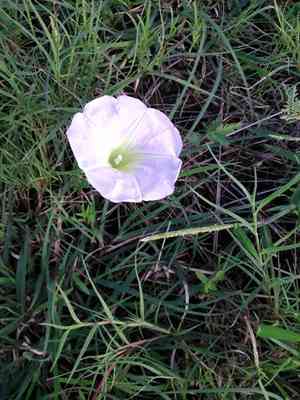
Ipomoea thurberi, a climbing plant featuring cordate foliage and blossoms ranging from white to pink, thrives with consistent trimming to preserve its form and vigor. Essential methods involve severing withered or compromised stems and reducing dense growth. The ideal period for pruning is in late winter or early spring, prior to the emergence of new shoots. This practice guarantees abundant flowering and diminishes susceptibility to ailments. Routine trimming also fosters strong branching and improves air circulation, contributing to the plant's general well-being.
What Are the Benefits of Pruning Thurber's Morning-glory?
What Are the Benefits of Pruning Thurber's Morning-glory?
Thurber's morning-glory benefits from trimming by encouraging robust development and maintaining its form. Regular trimming aids in managing its size, enhancing blooms, and improving overall plant vitality by preventing pest and disease outbreaks. Pruning also promotes stronger branching.
What Is the Best Time for Pruning Thurber's Morning-glory?
What Is the Best Time for Pruning Thurber's Morning-glory?
Trimming thurber's morning-glory during early spring and late winter is optimal as it coincides with the plant's dormant phase. During dormancy, the plant's growth cycle is less active, minimizing pruning-induced stress. Additionally, this timing fosters healthy growth and prepares the plant for the vigorous growth period that follows in spring. Pruning during these seasons also allows for improved air circulation and sunlight penetration, leading to healthier foliage and more abundant flowering.
What Tools Do I Need to Prune Thurber's Morning-glory?
Bypass Pruners
Perfect for making precise cuts on living stems, crucial for preserving the health of thurber's morning-glory.
Loppers
Useful for severing thicker branches too large for bypass pruners, important for shaping and controlling thurber's morning-glory's growth.
Pruning Saw
Essential for removing larger, woody stems, ensuring thurber's morning-glory doesn't become excessively dense.
Hedge Shears
Suitable for trimming and shaping overall growth, helping to keep thurber's morning-glory tidy and well-maintained.
How to Prune Thurber's Morning-glory
Prep
Gather necessary tools including sanitized pruning shears to ensure clean cuts and prevent disease transmission.
Inspect
Carefully examine the plant for any diseased or withered leaves to identify areas needing trimming.
Remove Diseased Leaves
Trim any diseased leaves by cutting them back to the stem's base, ensuring all affected parts are removed to prevent disease spread.
Remove Withered Leaves
Cut back all withered leaves to the base of their stems, ensuring no dead plant material remains to encourage healthy new growth.
Dispose
Safely discard all trimmed leaves and plant material to prevent any reintroduction of disease to the plant.
Common Pruning Mistakes with Thurber's Morning-glory
Incorrect technique
Using dull or unsuitable tools can cause jagged cuts that make the plant vulnerable to disease and pest infestations.
Over-pruning
Removing too much foliage at once can stress the plant, reducing its ability to photosynthesize and negatively impacting its overall health.
Improper timing
Pruning at the wrong time of year can interfere with the plant's natural growth cycle, potentially disrupting blooming and new growth.
Ignoring dead or diseased wood
Failing to remove dead or diseased branches can lead to further spread of disease, affecting the plant's overall health.
Not considering the plant's natural growth habit
Pruning without considering the plant's natural shape can result in an unbalanced or unattractive appearance.
Common Pruning Tips for Thurber's Morning-glory
Use sharp tools
Always use sharp, clean pruning shears to make clean cuts that heal quickly and reduce the risk of disease.
Follow clean cut practices
Make cuts at a 45-degree angle just above a leaf node or bud to encourage healthy new growth.
Remove dead and diseased wood first
Start by cutting away any dead, damaged, or diseased branches to prevent the spread of pests and diseases.
Limit extent of pruning operation
Only prune a third of the plant at any one time to avoid overwhelming it and to promote vigorous growth.
Preserve natural shape
Take into account the plantâs natural growth pattern to maintain a balanced, aesthetically pleasing form. This helps ensure better airflow and light penetration.



