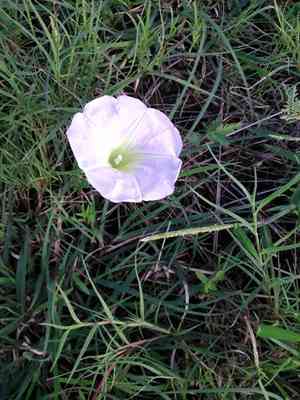
Thurber's morning-glory (Ipomoea thurberi)
Also known as: Thurber's Morning Glory
Thurber's morning-glory (Ipomoea thurberi) is a climbing vine notable for its heart-shaped leaves and charming violet funnel-shaped flowers. It is commonly found in arid regions where it thrives in well-drained soils. This plant is well-adapted to hot, sunny environments and is known for its rapid growth, which makes it an attractive and effective ground cover in its natural habitat.
In This Article
Attributes of Thurber's morning-glory
Lifespan
Annual
Plant Type
Vine, Herb
Plant Height
1-2 meters
Spread
Not typically measured, as it is a climbing vine.
Leaf Color
Green
Flower Size
2-5 centimeters
Flower Color
Pale lavender to pink
Images of Thurber's morning-glory
Quickly Identify Thurber's morning-glory
1
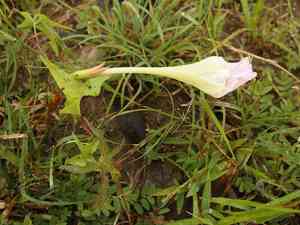
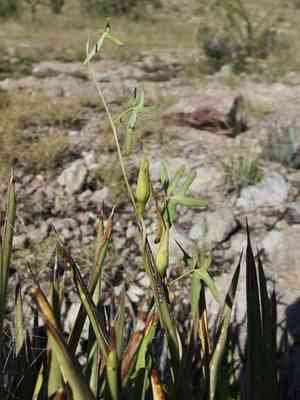
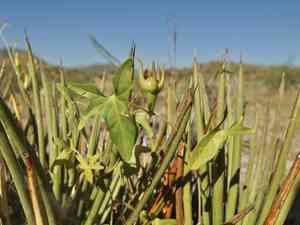
Ipomoea thurberi can be identified by its slender, twining stems, heart-shaped leaves, and pale lavender to pink funnel-shaped flowers. It tends to climb on other vegetation or spread along the ground.
Scientific Classification of Thurber's morning-glory
Phylum
Vascular plants
Class
Dicotyledons
Order
Solanales
Family
Morning-glory
Genus
Morning glories
Species
Thurber's morning-glory
Planting and Growing of Thurber's morning-glory
Care Difficulty
Moderate
Watering Schedule
Every 3 days
Sunlight Requirements
Full sun
Sunshine Duration
4-6 hours
Ideal Temperature
70-85℉
Soil Type
Potting Mix, Peat Mix
Soil pH
6.5-7.5
Fertilizer Type
Balanced
Pruning Season
Spring, Summer
Pruning Area
Branches, Leaves
Pruning Frequency
2 times a year
Repotting Season
Spring
Pot Type
Plastic, Terracotta
 How to Water Thurber's morning-glory?
Ipomoea thurberi thrives best when watered deeply, allowing the water to reach its root system. You should aim for approximately 500ml per watering session, ensuring the soil receives ample moisture throughout. Remember that the soil should not remain soggy, as this could lead to root rot.
What are the symptoms of an underwatered Thurber's morning-glory?
›
What should I do if my Thurber's morning-glory is not getting enough water?
›
What are the symptoms of an overwatered Thurber's morning-glory?
›
How to save an overwatered Thurber's morning-glory?
›
 What Are the Sunlight Requirements for Thurber's morning-glory?
Partial to full sunlight exposure, ideally 6-8 hours. Proper lighting results in robust growth, abundant flowering, and stronger plant structure compared to inadequate light conditions.
What is the best location for ideal lighting?
›
How can I ensure it gets the right amount of sun?
›
What benefits does ideal lighting provide?
›
 What Is the Ideal Temperature Range for Thurber's morning-glory?
The ideal temperature range for Ipomoea thurberi is between 70°F and 85°F. This range ensures optimal growth and flowering as it closely mimics the plant's natural warm climate. Providing a stable temperature within this range ensures that the plant's metabolic activities, such as photosynthesis and respiration, occur efficiently.
 What Soil is Best for Thurber's morning-glory?
Ipomoea thurberi thrives in well-drained soil to prevent root rot. This reduces the risk of waterlogged conditions, promoting healthy root systems and improving overall plant health. This plant prefers soil with moderate fertility. Excessive nutrients can lead to excessive foliage growth with fewer flowers, while balanced fertility encourages optimal flowering. Incorporating organic matter such as compost enhances soil structure and provides necessary nutrients, mimicking the natural habitat of the plant and supporting robust growth.
 How to Fertilize Thurber's morning-glory?
Ipomoea thurberi requires a moderate amount of nutrients for optimal growth. It is recommended to use a balanced, all-purpose fertilizer at half the manufacturer's suggested concentration. For liquid fertilizers, dilute to half strength and apply twice a month. For slow-release fertilizers, use three times per year, ensuring an even distribution across the soil surface.
 How to Prune Thurber's morning-glory?
Begin by identifying any overly long stems. Cut back to an outward facing node to maintain a tidy appearance and manage the plant’s size and shape appropriately. Regularly remove faded or dead flowers to redirect the plant's energy towards new growth. This process enhances blooming and keeps the plant looking vibrant and healthy.
More About Pruning Techniques→
 How to Propagate Thurber's morning-glory plant?
1
Harvest mature seeds from the plant when they have fully developed and started to dry. Store them in a cool, dry place until you are ready to plant them. Proper seed collection ensures a high germination rate.
2
Select healthy stems that do not flower, and cut them into 4-6 inch segments. Remove the leaves from the lower half of each cutting to reduce water loss and encourage root growth in the desired area.
3
Place seeds in a prepared seedling tray filled with a well-draining soil mix. Lightly cover the seeds with soil and mist them with water. Maintain a consistent temperature and moisture level for optimal germination.
 How to Repot Thurber's morning-glory plant?
1
Ipomoea thurberi typically signals its need for repotting when its roots start growing out of the pot holes or circling the bottom of the container. Another tell-tale sign is when the growth of the plant seems stunted despite optimal care. Performing repotting in spring or summer gives the plant ample warmth and sunlight to recover and thrive in its new potting environment.
2
Selecting the right pot is crucial for Ipomoea thurberi’s health. The pot should be slightly larger than the current one, to give its roots more space to expand. Ensure that it has adequate drainage holes to prevent water logging, which can lead to root rot. A terracotta pot is ideal as it is porous, allowing excess moisture to evaporate, maintaining a balanced moisture level in the soil.
3
For Ipomoea thurberi, a well-draining sandy soil is ideal because it mimics its natural desert habitat. The soil should have components like perlite or pumice to enhance aeration and prevent compacting. A loose mix ensures excess water drains away quickly, helping maintain a healthy root system and preventing fungal infections.
Toxicity
Ingestion
WARNING
The judgment on toxicity and danger is for reference only. We DO NOT GUARANTEE any accuracy of such judgment. Therefore, you SHALL NOT rely on such judgment. It is IMPORTANT TO SEEK PROFESSIONAL ADVICE in advance when necessary.



