How to Prune Triple-leaf morning glory?
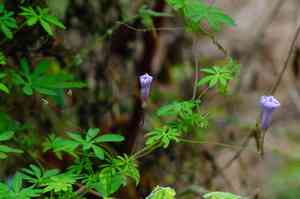
A robust climbing plant recognized for its three-lobed foliage and trumpet-shaped blossoms, triple-leaf morning glory necessitates consistent trimming to preserve its form, foster a denser habit, and boost bloom production. Essential pruning methods involve nipping the ends of nascent shoots to stimulate branching and excising any lifeless or excessively long stems. The most effective time for pruning is in late winter or early spring, prior to the appearance of new growth. Pruning revitalizes triple-leaf morning glory, enhances air movement, and reduces the risk of pests and illnesses. Cultivators must verify that their implements are sanitized to avert contamination.
What Are the Benefits of Pruning Triple-leaf Morning Glory?
What Are the Benefits of Pruning Triple-leaf Morning Glory?
Trimming triple-leaf morning glory helps maintain its size and form, promoting a more compact and sturdy growth habit. Regular cutting encourages strong development, leading to a healthier plant with better structure and reduced susceptibility to illness.
What Is the Best Time for Pruning Triple-leaf Morning Glory?
What Is the Best Time for Pruning Triple-leaf Morning Glory?
Pruning triple-leaf morning glory in late winter or early spring is optimal, coinciding with its dormant phase just before new growth emerges. This timing ensures that pruning doesn't disrupt the plant's flowering cycle, which typically occurs in warmer months. Additionally, the plant recovers more efficiently from pruning when it's not actively allocating resources to growth or reproduction. Removing dead or overgrown branches at this stage can stimulate healthier, more vigorous growth in the upcoming season. Pruning during these periods also minimizes the risk of disease and pest infestations, which are less active in cooler months. By following these guidelines, gardeners can help maintain the structural integrity and aesthetic form of triple-leaf morning glory, while promoting its overall health and bloom potential.
What Tools Do I Need to Prune Triple-leaf Morning Glory?
Hand Pruners
Perfect for making clean cuts on triple-leaf morning glory's delicate stems without causing harm, ensuring precise trimming of smaller branches.
Pruning Shears
Ideal for shaping triple-leaf morning glory and managing its growth, these shears feature a sharp, straight blade suitable for cutting thin stems and leaves.
Gardening Gloves
Protective gloves offer a firm grip and shield hands from thorns and sap while handling triple-leaf morning glory.
Gloves with Grip
Recommended for maintaining a secure hold on pruning tools when managing the potentially slick stems of triple-leaf morning glory.
Lopping Shears
Useful for reaching into denser parts of triple-leaf morning glory to prune thicker stems that hand pruners cannot cut through effectively.
Pruning Saw
A saw may be necessary for older triple-leaf morning glory specimens with woodier, more substantial stems that are too large for shears or loppers.
How to Prune Triple-leaf Morning Glory
Disinfect Tools
Before starting the pruning process, thoroughly clean and sanitize all pruning tools to prevent the spread of disease to triple-leaf morning glory.
Identify Targets
Inspect triple-leaf morning glory carefully to identify diseased and withered leaves that need removal. Look for changes in color, texture, or the presence of mold or mildew as indicators of compromised health.
Cut Diseased Leaves
Using your disinfected shears, carefully remove the diseased leaves from triple-leaf morning glory. Make clean cuts at the base of the leaf stem, avoiding damage to the main stem or nearby healthy leaves.
Remove Withered Leaves
Locate and prune any withered leaves on triple-leaf morning glory that are brown, dry, or crinkly. Clip these leaves off close to the stem to encourage new growth and improve air circulation among the foliage.
Cleanup
After pruning, gather all removed material and dispose of it far from the garden to minimize the risk of disease spread. Clean and disinfect the tools once again and monitor triple-leaf morning glory for signs of recovery or further pruning needs.
Common Pruning Mistakes with Triple-leaf Morning Glory
Over-Pruning
Removing too much growth at once can stress triple-leaf morning glory, weakening the plant and potentially leading to reduced flowering or overall vitality.
Imprecise Cuts
Making jagged or tearing cuts can damage triple-leaf morning glory's stems, leaving the plant more susceptible to diseases and pests.
Using Dull Tools
Pruning with dull or dirty tools can cause unnecessary damage to triple-leaf morning glory's tissues, impeding the healing process.
Neglecting To Remove Dead Or Diseased Growth
Failing to regularly remove dead or diseased portions of triple-leaf morning glory can invite pests and diseases to spread, affecting overall health.
Disregarding Plant Structure
Pruning without paying attention to triple-leaf morning glory's natural growth pattern may result in an odd or unhealthy shape and can impact future growth.
Overlooking Water And Nutrient Needs Post-Pruning
After pruning, triple-leaf morning glory may need additional water or nutrients to help recover and regrow; overlooking this can hinder its recovery.
Common Pruning Tips for Triple-leaf Morning Glory
Sharp, Clean Cuts
Always use sharp, sanitized pruning tools to make clean cuts on triple-leaf morning glory, aiding in quick and proper healing.
Prune Selectively
Target only the necessary growth for removal, such as dead, diseased, or overgrown stems, to maintain triple-leaf morning glory's health and appearance.
Consider Plant Health
Assess triple-leaf morning glory's overall health before pruning. Weak or stressed plants may not recover well from aggressive pruning.
Maintain Plant Shape
Aim to retain triple-leaf morning glory's natural form when pruning, selectively thinning out overgrown areas to encourage a balanced shape and sunlight penetration.
Promote Air Circulation
By thinning dense areas, triple-leaf morning glory will benefit from improved air circulation, reducing the risk of diseases.
Monitor Regrowth
After pruning triple-leaf morning glory, observe how the plant responds over the following weeks and make any necessary adjustments to care routines to support vigorous regrowth.



