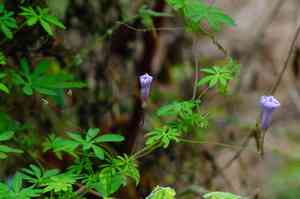
Triple-leaf morning glory (Ipomoea ternifolia)
Also known as: Three-leaved Morning Glory, Triple-Leaf Morning Glory
The plant you're referring to is the **triple-leaf morning glory**. It is a hardy climber that loves sunny areas. Its distinctive feature is heart-shaped leaves with three leaflets. The plant also produces trumpet-shaped flowers that attract pollinators. Its robust nature enables it to grow well in a variety of environments, even those that are less than ideal.
In This Article
Attributes of Triple-leaf morning glory
Lifespan
Perennial
Plant Type
Vine, Herb
Plant Height
Up to 3 meters (10 feet)
Spread
Climbing plant, so crown diameter is not applicable
Leaf Color
Green
Flower Size
3-5 centimeters
Flower Color
Pink, purple
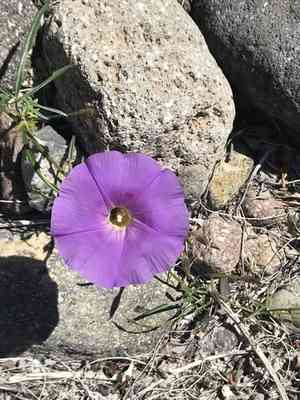
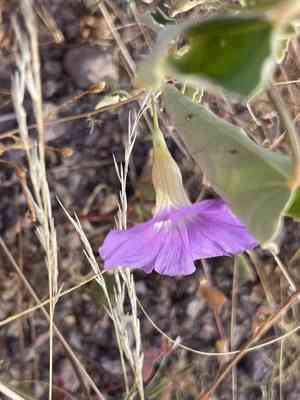
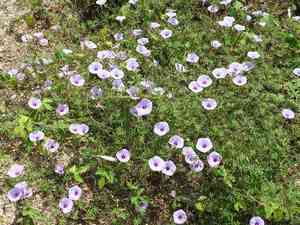
Images of Triple-leaf morning glory

Quickly Identify Triple-leaf morning glory
1
Identify Ipomoea ternifolia by its three-parted leaves, which are a key distinguishing feature. The flowers are typically funnel-shaped and can be pink or purple in color. Look for the plant\'s vining habit and heart-shaped leaves that grow in clusters of three.
Scientific Classification of Triple-leaf morning glory
Phylum
Vascular plants
Class
Dicotyledons
Order
Solanales
Family
Morning-glory
Genus
Morning glories
Species
Triple-leaf morning glory
Planting and Growing of Triple-leaf morning glory
Care Difficulty
Moderate
Watering Schedule
Every 4 days
Sunlight Requirements
Full sun
Sunshine Duration
6-10 hours
Ideal Temperature
65-75℉
Soil Type
Potting Mix, Peat Mix
Soil pH
6.5-7.5
Fertilizer Type
Balanced
Pruning Season
Spring, Summer
Pruning Area
Branches, Leaves
Pruning Frequency
2 times a year
Repotting Season
Spring
Pot Type
Plastic, Terracotta
 How to Water Triple-leaf morning glory?
Ipomoea ternifolia requires a moderate amount of water, around 250 ml each time, to keep the soil consistently moist but not waterlogged. Water until it starts to drain out of the bottom of the pot, ensuring the water reaches the entire root system without sitting in excess.
What are the symptoms of an underwatered Triple-leaf morning glory?
›
What should I do if my Triple-leaf morning glory is not getting enough water?
›
What are the symptoms of an overwatered Triple-leaf morning glory?
›
How to save an overwatered Triple-leaf morning glory?
›
 What Are the Sunlight Requirements for Triple-leaf morning glory?
This plant enjoys full to partial sun exposure, which means it should receive 6 to 8 hours of sunlight daily. Adequate sun supports proper flowering and foliage development, ensuring vibrancy and plant health.
What is the best lighting condition for Ipomoea ternifolia?
›
How can I ensure optimal lighting conditions?
›
Why is ideal lighting crucial for Ipomoea ternifolia?
›
 What Is the Ideal Temperature Range for Triple-leaf morning glory?
For the healthy growth of Ipomoea ternifolia, maintaining a temperature range between 65°F to 75°F is ideal. This ensures optimal photosynthesis and nutrient uptake, providing the best conditions for thriving growth and flowering.
 What Soil is Best for Triple-leaf morning glory?
Ipomoea ternifolia thrives in well-draining soil that prevents waterlogging. This characteristic is crucial because it allows the roots to breathe and avoid rot, ultimately promoting healthy growth and vibrant blooms. This plant benefits from a nutrient-rich substrate that provides essential minerals. Utilizing compost or organic matter enriches the soil, enhancing plant vigor and supporting robust flowering seasons. Maintaining moderate moisture levels is key for Ipomoea ternifolia, as excessive dryness or wetness can stress the plant. Consistent watering supports steady growth without the risk of water-related diseases.
 How to Fertilize Triple-leaf morning glory?
For Ipomoea ternifolia, apply liquid fertilizer at a concentration diluted to half the recommended strength for houseplants. Use approximately 100 ml per plant per session for optimal growth, ensuring you do not over-fertilize as this can lead to salt build-up in the soil.
 How to Prune Triple-leaf morning glory?
Begin by using clean, sharp pruning shears to cut back any dead or withered stems to the nearest healthy node. Always aim to make cuts at a 45-degree angle to minimize water accumulation on the cut surface and reduce the risk of disease. To encourage a bushier growth habit, prune back the tips of the main stems by several inches. This encourages the plant to develop more lateral shoots, leading to a fuller, more vibrant display of foliage and blooms.
More About Pruning Techniques→
 How to Propagate Triple-leaf morning glory plant?
1
Begin by collecting mature seeds from the parent plant. Ensure the seeds are fully developed, which can be identified by their brownish color. Dry the seeds in a cool, dry place for a few days before planting to avoid mold and to ensure successful germination.
2
Prepare a well-draining soil mix comprising equal parts of perlite, peat moss, and coarse sand. This will provide good aeration and drainage for seedlings and cuttings, preventing root rot. Sterilize the soil mix by baking it in an oven if necessary to kill potential pests or pathogens.
3
Take cuttings from healthy sections of the parent plant, usually about 4-6 inches long. Remove leaves from the lower half and dip the cut end into rooting hormone to encourage quicker root development. Plant the cuttings in pots filled with the prepared soil mix.
 How to Repot Triple-leaf morning glory plant?
1
Ipomoea ternifolia should be repotted when you notice roots growing out of the drainage holes or if the plant's growth has visibly slowed. Spring or summer is the prime time for repotting this plant, as it is less stressed and more capable of recovering quickly. Check the root system for crowding, which is a clear sign that the plant needs more room.
2
Select a pot that is about two inches larger in diameter than the current one. It should have proper drainage holes to prevent waterlogging, which can lead to root rot. The material of the pot can be either clay or plastic, but ensure it suits the plant’s aesthetic and practical needs. Each type offers different benefits: clay pots allow soil to dry out more quickly, while plastic retains moisture longer.
3
Opt for a well-draining, sandy loam soil mix for Ipomoea ternifolia to mimic its natural habitat and prevent waterlogging. You may enhance the mixture with perlite or pumice to improve aeration and drainage, promoting healthy root growth. This type of soil will cater to the plant's need for good oxygen flow around the roots, which is critical for its health and vibrant foliage.
Toxicity
Ingestion
WARNING
The judgment on toxicity and danger is for reference only. We DO NOT GUARANTEE any accuracy of such judgment. Therefore, you SHALL NOT rely on such judgment. It is IMPORTANT TO SEEK PROFESSIONAL ADVICE in advance when necessary.



