How to Prune Red iochroma?
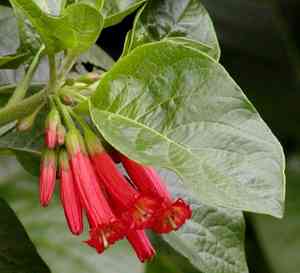
Red iochroma, recognized for its vivid crimson blossoms and dense foliage, thrives with consistent trimming to foster robust growth. The most effective time for pruning is in early spring when the plant is actively growing. Concentrate on eliminating deceased or injured limbs, reducing congestion in dense sections, and sculpting the plant to preserve an attractive shape. This practice enhances air movement, light exposure, and prolific flowering. Routine pruning ensures red iochroma remains visually appealing and encourages strong development.
What Are the Benefits of Pruning Red Iochroma?
What Are the Benefits of Pruning Red Iochroma?
Pruning red iochroma encourages robust development and helps maintain its desired form. Trimming aids in size management, boosts flowering, and enhances overall plant vitality. Regular cutting also lowers the risk of pests and diseases, ensuring red iochroma stays vibrant and appealing.
What Is the Best Time for Pruning Red Iochroma?
What Is the Best Time for Pruning Red Iochroma?
Early spring is ideal for pruning red iochroma as it aligns with the end of dormancy and the start of new growth. Pruning at this time allows for rapid healing and promotes strong development. Additionally, it ensures that trimming doesn't interfere with the blooming period, which typically occurs from late spring to summer. This timing helps preserve the plant's health, shape, and aesthetic appeal, while also encouraging abundant blooms.
What Tools Do I Need to Prune Red Iochroma?
Bypass Pruners
These precise instruments are crucial for making clean cuts on small stems and branches, reducing harm to red iochroma.
Loppers
With extended handles, these provide increased leverage to cut through thicker branches of red iochroma, ensuring healthy growth.
Pruning Saw
A sharp saw is essential for managing larger, woody branches on red iochroma, providing a clean cut to prevent disease.
Hedge Shears
Useful for shaping and trimming multiple branches simultaneously, maintaining the aesthetic form of red iochroma.
Gloves
Protecting hands from thorns or irritants is vital when handling red iochroma.
How to Prune Red Iochroma
PrinseTools
Clean and sanitize pruning tools to prevent the spread of diseases. Use a solution of one-part bleach to nine parts water.
InspectPlant
Thoroughly inspect red iochroma to locate all the diseased leaves, withered leaves, dead branches, and diseased branches.
RemoveDiseasedLeaves
Trim away any diseased leaves, cutting back to the base of each leaf stem to ensure complete removal.
EliminateWitheredLeaves
Remove withered leaves by cutting back to a point where the leaf connects to healthy growth or the main stem.
CutDeadAndDiseasedBranches
Cut dead branches and diseased branches at a 45-degree angle, just above a healthy node or branch junction to promote proper healing.
Common Pruning Mistakes with Red Iochroma
Over-pruning
Removing too much foliage can stress red iochroma, weakening the plant and reducing its ability to bloom.
Incorrect Cuts
Making jagged or uneven cuts can damage the branches, inviting diseases and pests.
Pruning at the Wrong Time
Although the best season for pruning has been excluded, any pruning done when red iochroma is actively growing can result in a slowed growth rate and fewer flowers.
Ignoring Dead or Diseased Wood
Failing to remove dead or infected parts can spread disease throughout red iochroma, negatively impacting its health and vigor.
Not Sterilizing Tools
Using unclean tools can transmit diseases from one plant to another, risking red iochroma’s health.
Common Pruning Tips for Red Iochroma
Use Sharp, Clean Tools
Always use sharp and sterilized pruning shears to make clean cuts, minimizing damage and disease transmission.
Remove Deadwood First
Begin by cutting away dead, diseased, or damaged wood to immediately reduce disease risk and improve air circulation.
Focus on Shape
Prune selectively to shape red iochroma, maintaining a balanced form that encourages good airflow and sunlight penetration.
Cut Above a Node
When making cuts, always prune just above a node or bud to promote healthy new growth.
Thin Out Overcrowded Areas
Remove some inner branches and stems if they are too crowded. This prevents overlapping branches that can rub together and cause injuries.



