How to Prune Princess trumpet-flower?
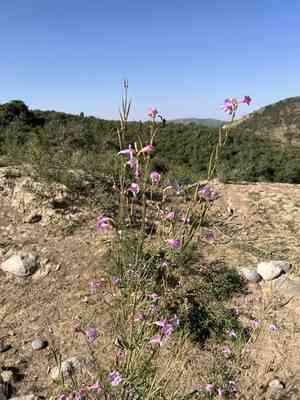
Princess trumpet-flower flourishes with trimming in early spring or late winter. This species is recognized for its bell-shaped blossoms and uniquely fern-like foliage. Eliminate any lifeless or compromised stems, and sculpt the plant to foster air circulation and light exposure. Concentrate on detaching spent flower stalks to stimulate fresh blooms. Trimming during these periods corresponds with princess trumpet-flower's developmental rhythm, guaranteeing abundant flowering and general well-being. Consistent pruning improves its aesthetic quality and vitality, averting excessive density and encouraging sound development.
What Are the Benefits of Pruning Princess Trumpet-flower?
What Are the Benefits of Pruning Princess Trumpet-flower?
Princess trumpet-flower thrives with pruning, promoting vigorous growth and maintaining its desired form. This practice encourages robust development, enhances blooms, and prevents overcrowding, resulting in a tidy and attractive appearance.
What Is the Best Time for Pruning Princess Trumpet-flower?
What Is the Best Time for Pruning Princess Trumpet-flower?
Pruning princess trumpet-flower during late winter or early spring is optimal as it coincides with the plant's dormant phase. Pruning while dormant minimizes stress on princess trumpet-flower and lowers the risk of disease and pest infestations. This timing also prepares princess trumpet-flower for strong growth in the upcoming season, fostering healthy development and ensuring abundant flowering.
What Tools Do I Need to Prune Princess Trumpet-flower?
Hand Pruners
Perfect for removing dead or damaged stems and managing the size of princess trumpet-flower, especially for branches up to ¾ inch in diameter.
Pruning Shears
Effective for cutting through thicker branches and stems that hand pruners cannot manage, due to their increased leverage.
Bypass Pruners
Recommended for making clean cuts on live stems, reducing damage and encouraging healthy regrowth in princess trumpet-flower.
Anvil Pruners
Better suited for cutting dead branches and stems of princess trumpet-flower, as their design can crush living stems.
How to Prune Princess Trumpet-flower
Identify
Inspect the plant to find any diseased or withered leaves. Concentrate on areas where leaves show signs of illness or have died off.
Sanitize
Disinfect your pruning shears with a solution of one part bleach to nine parts water. This prevents the spread of disease within the plant.
Remove diseased leaves
Carefully trim off diseased leaves by cutting close to the base of each leaf stem, ensuring no damage to healthy tissue. Dispose of these leaves away from the plant to avoid contamination.
Remove withered leaves
Trim off withered leaves similarly to diseased ones, cutting them back to where they meet healthy growth. This helps maintain the plant's overall health and appearance.
Monitor
After pruning, regularly check the plant for any new signs of disease or additional withered leaves. Repeat the pruning process as needed to keep the plant healthy and vibrant.
Common Pruning Mistakes with Princess Trumpet-flower
Improper Technique
A frequent error is using dull or dirty tools, which can cause tearing or infection in the stems. Always ensure tools are sharp and clean.
Incorrect Timing
Pruning at the wrong time can lead to stress and reduced flowering. Avoid pruning during extreme weather or when the plant is particularly vulnerable.
Over-Pruning
Removing too much foliage at once can hinder the plant's ability to photosynthesize effectively, leading to poor health and fewer blooms.
Ignoring Growth Habit
Not considering princess trumpet-flower's natural growth pattern can result in awkward shapes or weakened branches. Understanding its growth habit is crucial for proper pruning.
Common Pruning Tips for Princess Trumpet-flower
Use Clean, Sharp Tools
Always use clean, sharp pruning shears to make precise and clean cuts. This helps prevent disease and promotes faster healing.
Prune Gradually
Instead of removing large sections at once, prune gradually. This minimizes shock and allows you to observe the plant's response.
Maintain Shape and Size
Regularly trimming princess trumpet-flower to maintain its shape and size encourages a more aesthetically pleasing form and better air circulation.
Focus on Health
Remove any dead, damaged, or diseased stems first. This encourages healthier growth and prevents the spread of disease.
Encourage Blooming
Selective pruning of old flowers and leggy growth can stimulate new flower production, enhancing overall blooming potential.
Mind the Growth Points
Always cut just above a leaf node or bud to encourage new growth from that point, promoting a fuller and healthier plant.



