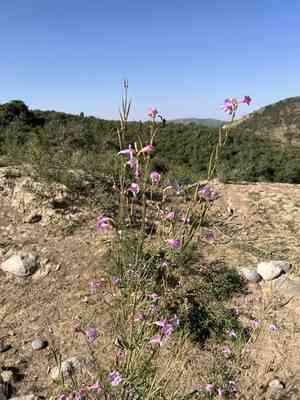
Princess trumpet-flower (Incarvillea olgae)
Also known as: Olga's roving sailor
*Incarvillea*, commonly known as princess trumpet-flower, is a genus comprising around 16 species of flowering plants in the Bignoniaceae family. These species are native to central and eastern Asia, with many thriving at high altitudes in the Himalaya and Tibet.
In This Article
Attributes of Princess trumpet-flower
Lifespan
Perennial
Plant Height
30-60 cm
Spread
30-50 cm
Leaf Color
Green
Flower Size
5-7 cm
Flower Color
Pink, Magenta with Yellow throat
Images of Princess trumpet-flower
Quickly Identify Princess trumpet-flower
1
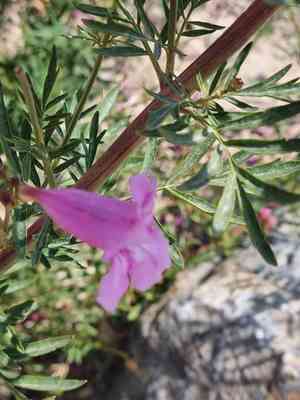
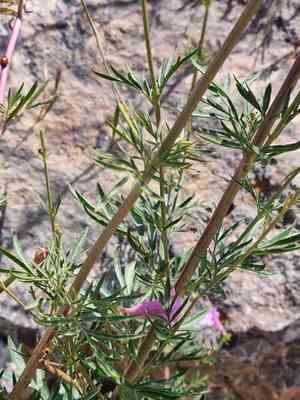
Incarvillea olgae can be recognized by its distinctive pink or magenta trumpet-shaped flowers, which typically have a yellow throat. The leaves are pinnate and fern-like, providing a delicate texture to the plant. It grows in clusters and is often found in rocky or well-drained areas.
Scientific Classification of Princess trumpet-flower
Phylum
Vascular plants
Class
Dicotyledons
Order
Lamiales
Family
Bignonia
Genus
Incarvillea
Species
Princess trumpet-flower
Planting and Growing of Princess trumpet-flower
Care Difficulty
Moderate
Watering Schedule
Every 2 days
Sunlight Requirements
Partial sun
Sunshine Duration
4-6 hours
Ideal Temperature
60-75℉
Soil Type
Potting Mix, Peat Mix
Soil pH
6.5-7.5
Fertilizer Type
Balanced
Pruning Season
Spring, Summer
Pruning Area
Branches, Leaves
Pruning Frequency
2 times a year
Repotting Season
Spring
Pot Type
Ceramic, Plastic
 How to Water Princess trumpet-flower?
Incarvillea olgae requires a moderate amount of water. When watering, ensure the soil is thoroughly moist but not waterlogged. Aim for about 300 ml per watering, making sure the top inch of soil is dry before watering again.
What are the symptoms of an underwatered Princess trumpet-flower?
›
What should I do if my Princess trumpet-flower is not getting enough water?
›
What are the symptoms of an overwatered Princess trumpet-flower?
›
How to save an overwatered Princess trumpet-flower?
›
 What Is the Ideal Temperature Range for Princess trumpet-flower?
Incarvillea olgae thrives best in a temperate climate where the temperature is consistently between 60°F and 75°F. This temperature range supports optimal photosynthetic processes and growth rates. Maintaining this range helps in fostering a healthy growth environment, reducing stress, and encouraging blooming.
 What Soil is Best for Princess trumpet-flower?
Incarvillea olgae thrives best in soils that offer excellent drainage. Good drainage prevents waterlogging, which can lead to root rot and other fungal infections, ensuring the plant remains healthy. A moderately fertile loam or sandy loam provides the necessary nutrients while avoiding nutrient overload. This balance allows the plant to grow robustly, producing vibrant flowers. This plant prefers a soil pH ranging from 6.5 to 7.5. This pH range supports essential nutrient availability, enhancing the plant’s growth and blooming capabilities.
 How to Fertilize Princess trumpet-flower?
Incarvillea olgae thrives when provided with balanced nutrition. Typically, using a liquid fertilizer, one should apply it in a diluted form, mixing about 1/2 teaspoon per gallon of water. For slow-release fertilizers, use approximately 1/4 cup per plant to ensure a gradual nutrient supply throughout the growing season.
 How to Prune Princess trumpet-flower?
Start by removing faded flowers to encourage reblooming. Cut back any dead or wilted stems to maintain a tidy appearance. Trim overgrown branches lightly to shape and control the size of the plant. In late Autumn, before the first frost, prune to reduce height and remove any weak or damaged growth. This helps the plant endure winter without unnecessary stress and promotes a vigorous start in spring.
More About Pruning Techniques→
 How to Propagate Princess trumpet-flower plant?
1
Harvest seeds from matured Incarvillea olgae plants when the seed capsules begin to turn brown and dry. Ensure the seeds are fully ripe to increase germination success.
2
Select healthy stems from the parent plant during its active growth phase. Cut a length of around 10 cm; remove lower leaves to reduce water loss while planting.
3
For division propagation, carefully dig up the plant clumps without damaging the root system. Gently separate the roots into smaller sections, ensuring each has stems and roots attached.
 How to Repot Princess trumpet-flower plant?
1
Repot Incarvillea olgae when you notice that its roots are growing out of the drainage holes of its current pot or when the plant's growth appears stunted. Another signal is if the soil seems to dry out unusually fast, indicating the roots have taken over much of the soil.
2
Select a pot that is 2-3 inches larger in diameter than the existing one. Choosing a pot with good drainage holes is crucial as it allows excess water to escape, preventing root rot. Opt for a breathable material like terracotta to enhance air circulation.
3
Prepare a well-draining potting mix rich in organic matter. This soil provides adequate aeration and retains enough moisture without becoming waterlogged. Such a mix mimics the plant’s native environment, promoting healthier growth and robust blooms.
Learn More About Princess trumpet-flower Diseases
Anthracnose
Bacterial Leaf Spot
Bacterial Soft Rot
Bacterial Wilt
Black Spot
Chemical Injury
Crown Gall
Cyst Nematode
Damping-off
Downy Mildew
Drought Stress
Fusarium Wilt
Gray Mold
Leaf Curl
Leaf Spot
Mosaic
Nutrient Deficiency
Nutrient Toxicity
Powdery Mildew
Root Rot
Root-knot Nematode
Rusts
Sooty Mold
Spider Mites
Temperature Stress
Thrips Damage
White Mold



