How to Prune Rose bluet?
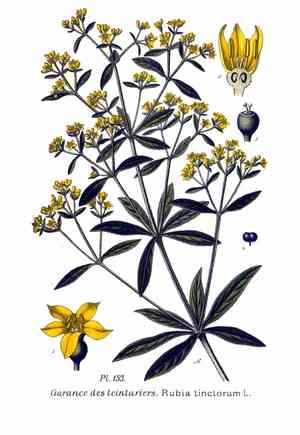
For Houstonia serpyllifolia, a fragile perennial recognized for its groupings of pink blossoms, trimming is uncomplicated and preserves both vitality and visual appeal. Following the initial flowering in spring, remove faded blooms to stimulate a subsequent blossoming period. Cut back the foliage in early spring to foster robust new development. This practice not only revitalizes Houstonia serpyllifolia but also deters excessive growth and sustains a pleasing form. Optimal periods for pruning are late spring, throughout summer, and prior to the initial frost in autumn.
What Are the Benefits of Pruning Rose Bluet?
What Are the Benefits of Pruning Rose Bluet?
Trimming rose bluet promotes robust development and helps keep its compact form. Regular cutting leads to denser foliage and stronger stems, boosting its decorative appeal and overall well-being.
What Is the Best Time for Pruning Rose Bluet?
What Is the Best Time for Pruning Rose Bluet?
For rose bluet, trimming during Spring, Summer, and Fall is ideal as these are the primary growth periods, allowing the plant to recover well and improve its overall health and appearance. In Spring, pruning helps stimulate new growth after winter dormancy, making it a perfect time to shape the plant and encourage abundant flowering. Summer pruning can be beneficial for removing any dead or diseased parts that have become visible during active growth, thereby preventing any disease spread. During Fall, light pruning prepares rose bluet for the upcoming winter by removing any vulnerable parts that could be damaged by frost, though care must be taken not to prune too late in the season to avoid stimulating new growth that will not withstand cold temperatures.
What Tools Do I Need to Prune Rose Bluet?
Hand Pruners
Given the delicate nature of rose bluet, hand pruners are perfect for making precise cuts without harming the plant. Opt for bypass pruners, which operate like scissors, to ensure accurate and gentle trimming of small stems.
Floral Snips
These are excellent for the detailed work required on rose bluet, especially for deadheading or snipping off spent blooms. Their small, sharp blades allow for precision without causing undue stress to the plant.
Fine Pruning Shears
Crucial for shaping and maintaining rose bluet's compact structure. They offer greater control and accuracy than larger shears, making them suitable for the plant's slender stems and small growth habit.
How to Prune Rose Bluet
Identify
Locate and evaluate the withered leaves on rose bluet. These are typically older leaves that may have yellowed or browned and no longer benefit the plant's health or appearance.
Prepare tools
Ready appropriate pruning tools such as small, sharp scissors or pruning shears. Ensure tools are clean and disinfected to prevent disease transmission.
Prune withered leaves
Carefully remove the identified withered leaves at their base, close to the stem. Make clean cuts to avoid damaging the healthy sections of rose bluet.
Dispose
Properly discard the removed leaves. Compost if feasible, or trash if the leaves show signs of disease, to prevent any potential issues from spreading.
Monitor
Observe rose bluet after pruning to ensure it maintains healthy growth. Check regularly for any further indications of old or withered leaves and repeat the pruning process as needed.
Common Pruning Mistakes with Rose Bluet
Over pruning
A frequent error is removing too much foliage from rose bluet, which can stress the plant and result in poor growth or reduced flowering. It's vital to prune no more than one-third of the plant at a time to preserve its health and vigor.
Improper cutting technique
Incorrect cutting methods can harm rose bluet's fragile stems. Using dull or dirty pruning tools can lead to jagged cuts, increasing the risk of infection and disease.
Neglecting dead or diseased material
Failing to remove dead or diseased material can impede the overall health and aesthetic of rose bluet. This oversight can also allow diseases to spread to other parts of the plant or garden.
Common Pruning Tips for Rose Bluet
Use sharp tools
Always use sharp, clean pruning shears or scissors. Sharp tools create clean cuts that heal faster and reduce the chance of disease entry.
Focus on thinning
Thin out congested areas to improve air circulation and light penetration throughout rose bluet. This helps prevent diseases and encourages more robust growth.
Prune for shape
While shaping rose bluet for aesthetics, concentrate on enhancing its natural form rather than imposing an unnatural shape. This promotes healthier growth and highlights the plant's inherent beauty.



