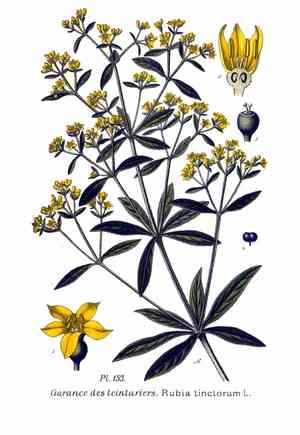
Rose bluet (Houstonia rosea)
Also known as: Red Bluet, Rose Blue-Eyed Grass
The Rose Bluet, scientifically known as **Houstonia rosea**, is a diminutive plant native to North America and part of the coffee family (Rubiaceae). It typically grows just a few centimeters in height and features pink blossoms. This species is primarily found in the south-central United States, including Texas, Oklahoma, Arkansas, Louisiana, Mississippi, Alabama, and southern Missouri.
In This Article
Attributes of Rose bluet
Lifespan
Annual
Plant Type
Herb
Plant Height
3-8 inches (7.5-20 cm)
Spread
N/A (ground-cover plant)
Leaf Color
Green
Flower Size
0.2-0.4 inches (5-10 mm)
Flower Color
Pink to rose-colored
Images of Rose bluet
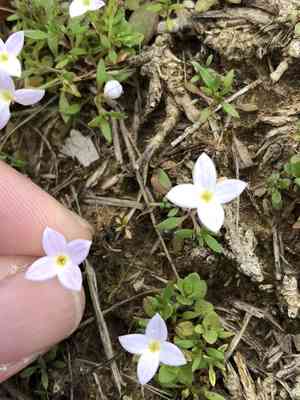
Quickly Identify Rose bluet
1
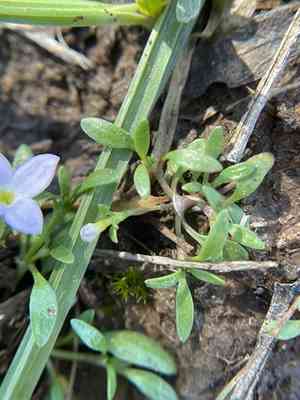
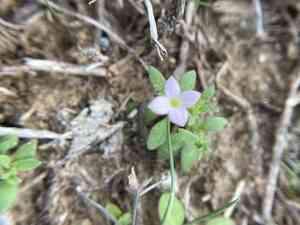
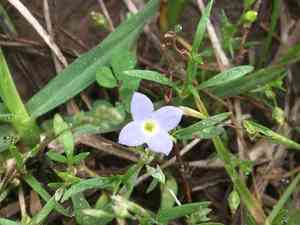
This plant can be identified by its small size, delicate pink to rose-colored flowers with four petals, and its growth in clusters. Its leaves are opposite, linear to lanceolate, and tend to be very small.
Scientific Classification of Rose bluet
Phylum
Vascular plants
Class
Dicotyledons
Order
Gentianales
Family
Madder
Genus
Bluets
Species
Rose bluet
Planting and Growing of Rose bluet
Care Difficulty
Easy
Watering Schedule
Every 4 days
Sunlight Requirements
Partial sun
Sunshine Duration
6-10 hours
Ideal Temperature
65-75℉
Soil Type
Potting Mix, Peat Mix
Soil pH
6.5-7.5
Fertilizer Type
Balanced
Pruning Season
Spring, Summer
Pruning Area
Branches, Leaves
Pruning Frequency
2 times a year
Repotting Season
Spring
Pot Type
Plastic, Ceramic
 How to Water Rose bluet?
Houstonia rosea, commonly known as pink bluet, flourishes with a moderate watering approach. Ensure the soil is moist, but not waterlogged, allowing the top inch of soil to dry before re-watering. An ideal watering amount is about 150 ml, providing sufficient moisture without oversaturating the roots.
What are the symptoms of an underwatered Rose bluet?
›
What should I do if my Rose bluet is not getting enough water?
›
What are the symptoms of an overwatered Rose bluet?
›
How to save an overwatered Rose bluet?
›
 What Are the Sunlight Requirements for Rose bluet?
Partial sun to full sun is ideal, allowing Houstonia rosea to photosynthesize effectively, maintain strong growth, and produce ample flowers. Adequate sunlight enhances the plant's ability to thrive and resist diseases.
What is the best lighting environment for Houstonia rosea?
›
How can you optimize the light exposure for Houstonia rosea?
›
What are the benefits of ideal lighting conditions for Houstonia rosea?
›
 What Is the Ideal Temperature Range for Rose bluet?
The ideal temperature range for Houstonia rosea, between 65°F and 75°F, provides the optimal conditions for its physiological processes. Within this range, photosynthesis, respiration, and transpiration occur efficiently. This temperature range mimics Houstonia rosea's natural habitat, thus facilitating growth and flowering. Temperatures in this range also support healthy soil microbial activity, which contributes to nutrient uptake.
 What Soil is Best for Rose bluet?
Houstonia rosea thrives in well-drained soil, which helps prevent root rot and provides adequate oxygen. This promotes healthy root development and robust plant growth. The loose structure of such soil ensures that water doesn't accumulate, enabling the roots to absorb essential nutrients efficiently. Hence, this plant benefits significantly from nutrient-rich soils that support its vibrant growth and flowering. Regular addition of organic compost enhances the soil's fertility, ensuring the plant's nutritional requirements are met consistently, which in turn supports its overall health. Though Houstonia rosea prefers well-drained soil, some moisture retention is critical to prevent excessive drying. A balanced moisture level sustains hydration without creating soggy conditions, which is crucial for continuous growth and flowering.
 How to Fertilize Rose bluet?
Houstonia rosea requires a balanced approach to fertilization. For liquid fertilizers, use a 1/4 strength diluted solution to avoid burn. The key is to maintain a gentle supply of nutrients without overwhelming the roots.
 How to Prune Rose bluet?
Ensure you have a pair of clean, sharp scissors or pruning shears. Start by removing any dead, damaged, or diseased stems and foliage. Focus next on thinning out anything that looks overcrowded to improve air circulation. Finally, trim back leggy stems to encourage a fuller, bushier appearance and to maintain the desired shape.
More About Pruning Techniques→
 How to Propagate Rose bluet plant?
1
Start seeds in small pots or seed trays filled with seed-starting mix. Cover them lightly with soil and keep them moist. Place them in a warm and bright location to encourage germination.
2
Select a healthy parent plant and cut 3-4 inch sections from non-flowering stems. Remove the lower leaves and dip the cut end in rooting hormone before planting in well-draining soil.
3
Gently lift the plant from the ground and separate the root ball into smaller sections, ensuring each has roots attached. Replant divisions at the same depth as the original plant.
 How to Repot Rose bluet plant?
1
Houstonia rosea should be repotted when roots begin to emerge from the drainage holes or the plant appears to be drying out quickly after watering. Spring and early summer provide optimal conditions as the plant is still in a growth phase, which helps it recover more swiftly from repotting stress.
2
Select a pot that is one size larger than the current one to give roots enough room to grow. The pot should have adequate drainage holes to prevent waterlogging, which is crucial for maintaining healthy root systems. Opting for a terracotta pot can help with breathability and prevent root rot.
3
A well-draining soil mix with sandy loam is ideal for Houstonia rosea. This composition allows water to pass easily, reducing the risk of rot while providing essential aeration and nutrients for healthy growth. Avoid heavy soils that retain too much moisture.
Learn More About Rose bluet Diseases
Anthracnose
Bacterial Leaf Spot
Bacterial Wilt
Chemical Injury
Damping-off
Downy Mildew
Drought Stress
Fusarium Wilt
Gray Mold
Leaf Curl
Leaf Spot
Mosaic
Nutrient Deficiency
Nutrient Toxicity
Powdery Mildew
Root Rot
Root-knot Nematode
Rusts
Sooty Mold
Spider Mites
Temperature Stress
Thrips Damage
White Mold



