How to Prune Roundleaf bluet?
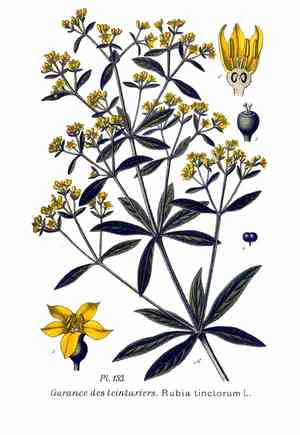
This ground-hugging perennial flourishes in forested areas and open meadows. For roundleaf bluet, strategic trimming during spring or summer is essential. After flowering, snip off the ends to foster a fuller appearance and eliminate any withered or discolored leaves. Refrain from extensive cutting to avert strain. Consistent, gentle shaping preserves its form and vigor, leading to more compact development and possibly brighter flowers. Trimming not only revitalizes roundleaf bluet but also manages its expansion within garden settings.
What Are the Benefits of Pruning Roundleaf Bluet?
What Are the Benefits of Pruning Roundleaf Bluet?
Trimming roundleaf bluet promotes robust development and preserves its compact shape. Regular cutting aids in revitalizing the plant, ensuring strong vitality and an attractive form.
What Is the Best Time for Pruning Roundleaf Bluet?
What Is the Best Time for Pruning Roundleaf Bluet?
Cutting or pruning roundleaf bluet is optimally performed in late spring and early summer to coincide with the plant's active growth phase. This timing allows roundleaf bluet to recover quickly from pruning stress, as the plant's energy is directed towards growth. Pruning during this period minimizes the risk of disease infection due to the typically drier weather, which is less favorable for the spread of water-borne pathogens. It also ensures that the plant maintains its shape and vigor before the flowering period, without negatively impacting the forthcoming bloom.
What Tools Do I Need to Prune Roundleaf Bluet?
Micro-Tip Pruning Snips
These are ideal for roundleaf bluet as they enable precise cuts without harming the delicate stems and leaves. The micro-tip is specifically designed for plants with small and tender growth, making it perfect for roundleaf bluet's tiny structure and fine foliage.
Fine-Pronged Tweezers or Small Scissors
Given roundleaf bluet's small size and dense growth, fine-pronged tweezers or small scissors can be used to selectively remove dead or yellowing leaves. These tools offer the necessary control and accuracy required for maintaining roundleaf bluet's appearance without disturbing adjacent plant parts.
Small, Sharp Bypass Pruners
These can be utilized for more substantial pruning needs, such as cutting back dead or overgrown stems. The bypass action of the pruners ensures a clean cut that encourages healthy regrowth in roundleaf bluet.
How to Prune Roundleaf Bluet
Disinfect tools
Before beginning, ensure all pruning tools are properly sanitized to prevent disease transmission to roundleaf bluet.
Identify parts
Carefully examine roundleaf bluet to pinpoint diseased leaves, withered leaves, and diseased stems that need removal.
Snip diseased leaves
Using sharp pruning shears, delicately trim off diseased leaves from roundleaf bluet, cutting at the base of the leaf stem to avoid damaging healthy tissue.
Remove withered leaves
Gently remove withered leaves by snipping them off at the base to preserve the aesthetic appeal and health of roundleaf bluet.
Cut diseased stems
Carefully cut diseased stems back to healthy wood, ensuring a clean cut to facilitate quick healing for roundleaf bluet.
Common Pruning Mistakes with Roundleaf Bluet
Overpruning
Removing too much foliage from roundleaf bluet can result in stunted growth or even plant death. The delicate nature of roundleaf bluet requires minimal trimming, focusing only on dead or damaged areas.
Improper tool use
Using dull or dirty tools can cause jagged cuts that harm roundleaf bluet, making the plant more susceptible to diseases. Always use sharp, clean pruning shears.
Pruning healthy growth
Cutting away healthy growth can shock roundleaf bluet and inhibit its natural shape and flowering potential. Prune only what is necessary to maintain plant health.
Ignoring plant form
Failing to consider the natural growth habit of roundleaf bluet can lead to an unnatural appearance. Pruning should maintain the plant's rounded and low-growing form.
Common Pruning Tips for Roundleaf Bluet
Selective pruning
Carefully remove only the dead or diseased foliage from roundleaf bluet to maintain its health without altering its growth habit. Snip close to the base of the affected area without damaging healthy stems.
Post-flowering trim
After roundleaf bluet has finished flowering, a light trim can help in removing spent flowers and may encourage a second bloom, enhancing the plantâs overall appearance.
Sanitation
Regularly sanitize pruning shears before and after working on roundleaf bluet to prevent the spread of disease. Use household disinfectants or a solution of bleach and water.
Gentle technique
Due to the delicate structure of roundleaf bluet, apply a gentle hand when pruning. Avoid tugging or ripping stems, which can damage the plant's root system.



