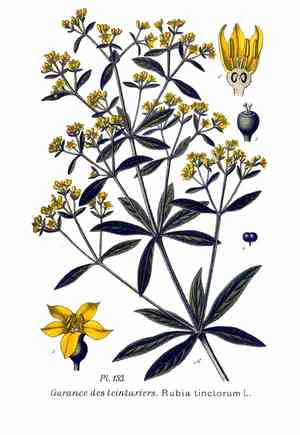
Roundleaf bluet (Houstonia procumbens)
Also known as: Innocence
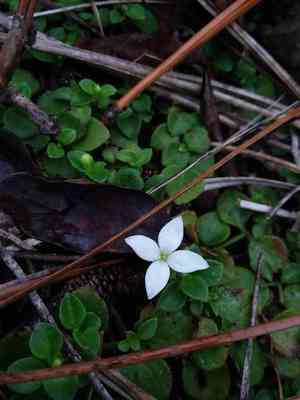
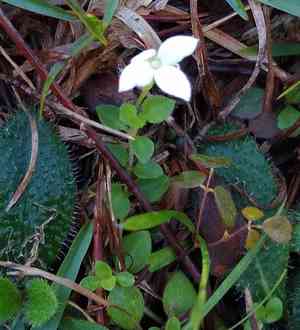
The Roundleaf Bluet (Houstonia procumbens) is a small, mat-forming perennial found in the wilderness. Unlike many other members of its genus, which typically feature blue flowers, this species is distinguished by its white blooms. It is rarely cultivated and primarily grows in natural settings.
In This Article
Attributes of Roundleaf bluet
Lifespan
Perennial
Plant Type
Herb
Plant Height
4 cm
Spread
30 cm
Leaf Color
Green
Flower Size
2.5 cm
Flower Color
White
Images of Roundleaf bluet

Quickly Identify Roundleaf bluet
1
Look for small blue flowers with four petals and a yellow center, growing in clusters. The plant is low-growing and has a trailing habit with opposite leaves.
Scientific Classification of Roundleaf bluet
Phylum
Vascular plants
Class
Dicotyledons
Order
Gentianales
Family
Madder
Genus
Bluets
Species
Roundleaf bluet
Planting and Growing of Roundleaf bluet
Care Difficulty
Easy
Watering Schedule
Every 2 days
Sunlight Requirements
Partial sun
Sunshine Duration
6-10 hours
Ideal Temperature
60-75℉
Soil Type
Potting Mix, Peat Mix
Soil pH
6.5-7.5
Fertilizer Type
Balanced
Pruning Season
Spring, Summer
Pruning Area
Branches, Leaves
Pruning Frequency
2 times a year
Repotting Season
Spring
Pot Type
Plastic, Ceramic
 How to Water Roundleaf bluet?
The amount of water for Houstonia procumbens should be sufficient to moisten the soil thoroughly, but not turn it to mud. Typically, 200 ml works well, as you want the water to penetrate the root zone effectively. The principle is to ensure the soil is evenly moist, allowing it to slightly dry out between waterings to prevent root rot.
What are the symptoms of an underwatered Roundleaf bluet?
›
What should I do if my Roundleaf bluet is not getting enough water?
›
What are the symptoms of an overwatered Roundleaf bluet?
›
How to save an overwatered Roundleaf bluet?
›
 What Are the Sunlight Requirements for Roundleaf bluet?
Partial sun exposure is ideal, translating to 3-6 hours of sunlight. This exposure supports balanced, healthy growth, prevents sunburn, and boosts the plant's capacity to optimally photosynthesize, enhancing plant vigor and blooming.
More About Sunlight Requirements Techniques→
What is the best light exposure for Houstonia procumbens?
›
How can I ensure my plant gets ideal lighting conditions?
›
What are the benefits of providing optimal lighting to Houstonia procumbens?
›
 What Is the Ideal Temperature Range for Roundleaf bluet?
The ideal temperature range for Houstonia procumbens is between 60 and 75 degrees Fahrenheit. This range offers the perfect balance of warmth and coolness, mimicking its natural environment and promoting optimal growth conditions. At this temperature, the plant can efficiently carry out photosynthesis and other vital metabolic processes, leading to healthy development and vibrant blooms.
 What Soil is Best for Roundleaf bluet?
Houstonia procumbens thrives in soil that drains well. This prevents waterlogging, which can lead to root rot and other fungal issues. Well-drained soil ensures that the plant roots receive adequate oxygen, promoting robust growth. This plant prefers soil with moderate fertility. Richly fertile soil can lead to excessively lush growth that might be more susceptible to pests. Balanced nutrient levels support healthy, resilient plants without over-stimulation. Houstonia procumbens grows best in soil with a pH of 6.5 to 7.5. This pH range allows optimal nutrient uptake, ensuring healthy foliage and flowering. Maintaining this pH can improve the plant's health and resilience.
 How to Fertilize Roundleaf bluet?
Houstonia procumbens generally requires a balanced approach to fertilization. When using liquid fertilizers, it's essential to dilute them to half-strength, approximately 50% of the recommended dose on the package, to suit the plant's delicate needs and avoid root damage.
 How to Prune Roundleaf bluet?
Begin by examining your Houstonia procumbens for any dead, damaged, or diseased stems. This initial inspection is crucial for identifying what needs to be removed to keep the plant healthy and thriving. When pruning, make cuts close to the base of the plant or branch. Ensure the cuts are clean and at an angle to promote better healing and reduce water accumulation, which can lead to rot. Gradually shape the Houstonia procumbens to the desired size and form. A consistent approach helps in maintaining its aesthetic appeal and encourages a robust structure, leading to more blooming.
More About Pruning Techniques→
 How to Propagate Roundleaf bluet plant?
1
Gather seeds when they ripen in the spring. Ensure they are fully mature by checking for a dark color and crispy texture. Store them in a cool, dry place until you are ready to sow.
2
Select healthy parent plants and cut 3-4 inch long stems using pruning shears. Make sure to cut just below a node and remove lower leaves to prevent rotting in the soil.
3
In spring, carefully dig up the parent plant. Use a spade or knife to divide the root ball into smaller sections, ensuring each section has roots and shoots for successful growth.
 How to Repot Roundleaf bluet plant?
1
Houstonia procumbens shows signs of needing a bigger space when its roots begin to circle the pot's edges or start popping out from the drainage holes. Ideal times for repotting are during the growth spurts seen in spring or early summer, ensuring a full season for recovery and root development.
2
Opt for a pot that's 1-2 inches larger in diameter than the current one. A pot that is too large can hold excess moisture and drown the roots, while a snug one gives just the right amount of space for controlled growth and prevents overwatering, promoting healthier root structures.
3
A well-draining potting mix is crucial to prevent waterlogging and subsequent root rot. Look for a mix with a sandy or gritty component, similar to what might be found in the plant's natural habitat, allowing for optimal root breathing and nutrient access.
Learn More About Roundleaf bluet Diseases
Anthracnose
Bacterial Leaf Spot
Bacterial Soft Rot
Bacterial Wilt
Black Spot
Chemical Injury
Damping-off
Downy Mildew
Drought Stress
Fusarium Wilt
Gray Mold
Leaf Curl
Leaf Spot
Mosaic
Nutrient Deficiency
Nutrient Toxicity
Powdery Mildew
Root Rot
Root-knot Nematode
Rusts
Sooty Mold
Spider Mites
Temperature Stress
Thrips Damage
White Mold



