How to Prune Wood barley?
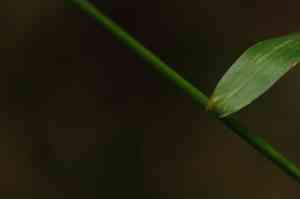
Wood barley, a perennial grass, thrives in forested environments, characterized by its tall, curving stalks. Removing deceased or compromised leaves in early spring or winter promotes robust development. Reducing density in congested zones improves air movement and light exposure, which are crucial for wood barley's vitality. This regular upkeep prevents infestations and illnesses, guaranteeing a strong patch. No specialized tools are required; basic clippers are adequate for this simple chore, enhancing both appearance and plant well-being.
What Are the Advantages of Trimming Wood Barley?
What Are the Advantages of Trimming Wood Barley?
Trimming wood barley promotes vigorous development by eliminating old, unproductive stems, ensuring energy is directed toward new, healthy growth. It helps maintain the desired form and dimension, making it more manageable and visually appealing.
When Is the Optimal Time for Trimming Wood Barley?
When Is the Optimal Time for Trimming Wood Barley?
Trimming wood barley in early spring is recommended as it prepares the plant for new growth. As wood barley emerges from dormancy, cutting back helps to stimulate fresh shoots and enhances the plant's vigor. This timing also allows gardeners to remove any damage from winter weather before new growth begins, preventing disease and fostering healthy development. Winter is another suitable period for trimming wood barley since the plant is dormant, and the absence of foliage makes it easier to see the plant's structure and decide which branches to prune. This timing also minimizes stress on wood barley because it is not actively growing, meaning less energy is diverted from growth and recovery, leading to better overall plant health. Trimming during dormancy also reduces the risk of transmitting diseases through the pruning cuts, as many pathogens are less active during this period.
What Tools Are Necessary to Trim Wood Barley?
Bypass Pruners
Perfect for making clean cuts on live stems and small branches of wood barley without crushing plant tissues.
Garden Shears
Useful for trimming and shaping the grass-like foliage of wood barley with precision.
Pruning Saw
Best for any thicker, woody stems that wood barley might develop, providing a clean cut on larger branches.
How to Trim Wood Barley
Sterilize tools
Before trimming wood barley, ensure all pruning tools are sterilized to prevent disease spread.
Identify
Identify diseased and withered leaves on wood barley. Look for discoloration, spots, or decay signs indicating unhealthy leaves.
Prune diseased
Using sterilized tools, carefully cut away diseased leaves from wood barley. Make cuts close to the leaf base, avoiding damage to the stem or nearby healthy leaves.
Prune withered
After removing diseased leaves, trim withered leaves on wood barley. These may appear dry, brown, or brittle. Cut them back to the base to promote healthy growth and improve air circulation.
Dispose
Properly dispose of removed leaves by placing them in a bin or designated garden waste area. Do not compost diseased material as it can contaminate and spread pathogens.
Common Trimming Errors with Wood Barley
Over-trimming
Removing too much foliage can stress wood barley, hindering its natural growth and recovery. Novice gardeners often trim more than the recommended one-third of the plant's size, which can be detrimental.
Incorrect cut placement
Cutting too far from a node or into the node can impede proper healing and regrowth. Cuts should be made just above nodes at a 45-degree angle.
Using dull tools
Dull pruning tools can cause jagged cuts that are more susceptible to disease and pest infestation. Sharp, clean tools are essential for smooth cuts.
Tearing limb
Forcefully breaking or tearing limbs instead of cutting can create unnecessary wounds that expose wood barley to potential disease and infestations.
Neglecting tool hygiene
Not sterilizing tools between cuts can spread disease from infected parts of the plant to healthy ones. Regular disinfection is crucial, especially when dealing with diseased tissue.
Common Trimming Advice for Wood Barley
Correct cut placement
Make cuts just above leaf nodes and at a 45-degree angle to prevent water damage and encourage new growth. This will lead to a more robust and healthy wood barley.
One third rule
Do not remove more than one-third of wood barley's total foliage during a single pruning session to avoid overstressing the plant.
Sequential pruning
For more extensive shaping or size reduction, spread the pruning over several seasons. This gradual approach allows wood barley to recover more effectively.
Focus on dead material
Always start by removing dead or dying foliage, which helps to direct wood barley's energy towards healthy growth and can improve its overall vitality.
After care
After pruning, ensure wood barley receives adequate water and nutrients, which can help the plant recover from the stress of pruning and stimulate new growth.



