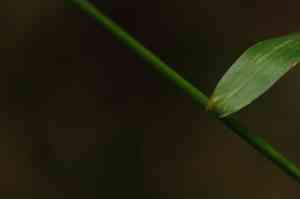
Wood barley (Hordelymus europaeus)
Also known as: Wood Barley
Wood barley, known scientifically as *Hordelymus europaeus*, is a tall grass native to Europe, northern Africa, and southwest Asia. It typically grows to heights of 60 to 120 cm and blooms with small flower spikelets during the spring and summer seasons.
In This Article
Attributes of Wood barley
Lifespan
Perennial
Plant Type
Grass
Plant Height
77 cm
Spread
N/A
Leaf Color
Green
Flower Size
5 cm to 10 cm
Flower Color
Yellow Green Brown
Images of Wood barley
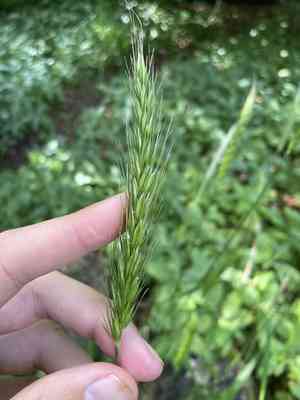
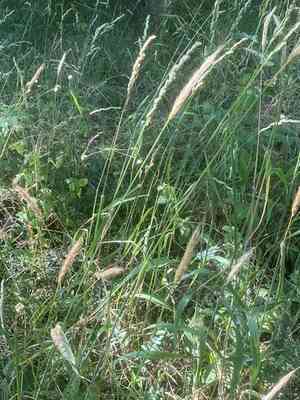
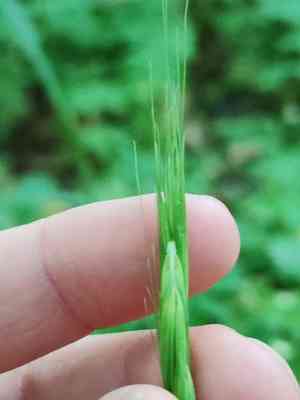
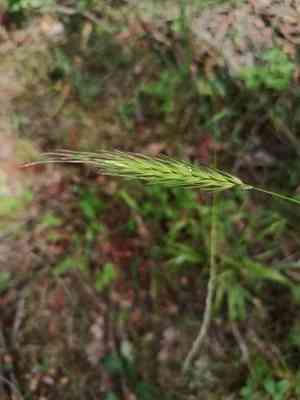
Quickly Identify Wood barley
1
Look for its erect stems, which can reach up to 100 cm, and its flat, rough leaves. The plant produces spikelets that are arranged in a one-sided spike, which is a key identification feature.
Scientific Classification of Wood barley
Phylum
Vascular plants
Class
Monocotyledons
Order
Poales
Family
Grass
Genus
Hordelymus
Species
Wood barley
Planting and Growing of Wood barley
Care Difficulty
Easy
Watering Schedule
Every 2 days
Sunlight Requirements
Partial sun
Sunshine Duration
6-10 hours
Ideal Temperature
60-75℉
Soil Type
Potting Mix, Peat Mix
Soil pH
6.5-7.5
Fertilizer Type
Balanced
Pruning Season
Spring, Summer
Pruning Area
Branches, Leaves
Pruning Frequency
2 times a year
Repotting Season
Spring
Pot Type
Plastic, Ceramic
 How to Water Wood barley?
Water Hordelymus europaeus until the soil is evenly moist but not waterlogged. The key is to ensure that the root zone is well-hydrated but still has good drainage. Approximately 300 ml per watering session should suffice, taking into account the climate and the plant's size.
What are the symptoms of an underwatered Wood barley?
›
What should I do if my Wood barley is not getting enough water?
›
What are the symptoms of an overwatered Wood barley?
›
How to save an overwatered Wood barley?
›
 What Are the Sunlight Requirements for Wood barley?
The ideal light range is partial sun to full shade, providing moderate sun exposure. This enables photosynthesis balanced with its natural growth conditions, leading to vibrant foliage and healthy development.
Optimal Location
›
Time of Day
›
Adjustments Based on Seasons
›
 What Is the Ideal Temperature Range for Wood barley?
The ideal temperature range for Hordelymus europaeus lies between 60°F and 75°F. This range promotes optimal enzymatic activity and ensures that the physiological processes critical for growth are functioning efficiently. Maintaining this temperature range aids in the plant's photosynthesis, nutrient uptake, and overall health.
 What Soil is Best for Wood barley?
Hordelymus europaeus thrives in well-draining soils that prevent waterlogging. This type of soil ensures the roots receive adequate oxygen, reducing the risk of root rot and promoting healthy plant growth. This plant benefits from nutrient-rich soil which provides essential elements for vigorous growth. Amending the soil with organic matter can enhance the availability of these nutrients, leading to lush foliage and robust development. While drainage is essential, the soil should retain some moisture to sustain the plant during dry spells. A balance in moisture retention helps in maintaining the plant's vitality and reduces the frequency of watering.
 How to Fertilize Wood barley?
For Hordelymus europaeus, a moderate fertilization approach is ideal. When using liquid fertilizers, aim for a balanced formula, diluted to half strength, and apply about 250 ml per plant. For slow-release varieties, distribute evenly around the plant, using approximately 20 grams per application. Adjust amounts based on the plant's response and visible growth.
 How to Prune Wood barley?
Ensure your pruning tools are sharp and clean to avoid damaging the plant. Dull tools can cause crushing injuries, making the plant vulnerable to disease. Disinfect your tools with a solution of bleach and water between cuts to prevent the spread of pathogens. Avoid pruning during the hottest part of the day as it can stress the plant. Instead, prune in the early morning or late afternoon when temperatures are cooler. This allows the plant to recover more quickly from cuts.
More About Pruning Techniques→
 How to Propagate Wood barley plant?
1
Harvest seeds from mature Hordelymus europaeus plants. Ensure seeds are fully ripened to enhance their chances of successful germination. Gently shake the inflorescence into a paper bag to collect the seeds.
2
Fill seed trays with sterile potting mix and moisten it before sowing. Scatter the seeds thinly over the surface, and lightly cover with a thin layer of potting mix or sand to encourage germination.
3
Place the trays in a warm location with indirect sunlight. Maintain a consistent temperature of around 18°C to 22°C (64°F to 72°F) to support healthy seed germination. Keep the potting mix moist but not waterlogged.
 How to Repot Wood barley plant?
1
Repot Hordelymus europaeus when you notice signs such as roots growing out of the pot's drainage holes, soil drying out excessively fast, or the plant appearing top-heavy. These are clear indicators that your plant needs more space to grow.
2
Select a pot that is 1-2 inches wider in diameter than the current one to allow for growth. Ensure the pot has adequate drainage holes to prevent water logging, which can lead to root rot and other complications.
3
Opt for a well-draining potting mix enriched with organic matter. This ensures roots have access to nutrients and prevents soil compaction, providing a healthy environment for root expansion and plant growth.



