How to Prune New zealand mallow?
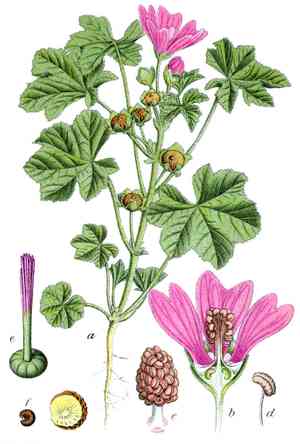
Perfect for hedges and shrub boundaries, new zealand mallow thrives in adequately drained ground and partial shade. Trim new zealand mallow during the winter season to preserve its form and stimulate robust development. Eliminate deceased or compromised limbs, reduce older woody sections to foster fresh sprouts, and shear for a neat appearance. Trimming improves air movement, lowering the chance of illness and positively impacting the plant's general well-being. Execute cuts at an incline above buds oriented towards the intended growth path for peak outcomes.
What Are the Benefits of Pruning New Zealand Mallow?
What Are the Benefits of Pruning New Zealand Mallow?
Trimming new zealand mallow fosters robust development and preserves its desired form. Regular cutting back helps revitalize the plant, leading to denser foliage and a more attractive structure. Pruning is crucial for new zealand mallow's well-being and aesthetic appeal.
What Is the Best Time for Pruning New Zealand Mallow?
What Is the Best Time for Pruning New Zealand Mallow?
Pruning new zealand mallow from late winter to early spring is ideal, just before its growth cycle typically commences in spring. This timing allows for shaping the plant and removing any damaged or diseased wood without hindering new growth. It also lessens the chance of frost damage to fresh cuts, as the threat of severe cold has generally passed. Furthermore, since new zealand mallow may bloom in summer, pruning in late winter ensures that flowering is not negatively impacted. The plant's dormant state during this period facilitates easier structural assessment, making the pruning process more efficient.
What Tools Do I Need to Prune New Zealand Mallow?
Bypass Pruners
Perfect for making clean cuts on the living branches of new zealand mallow without causing undue harm to the plant's delicate stems.
Loppers
These larger pruners provide leverage for thicker branches that may appear on new zealand mallow, ensuring precise cuts without damaging the plant.
Pruning Saw
For mature new zealand mallow with substantial branches, a pruning saw allows the gardener to make clean cuts on branches too large for loppers.
Hand Shears
Suitable for shaping new zealand mallow and trimming smaller, softer growth to maintain plant health and appearance.
Pruning Gloves
To safeguard the gardener's hands from scratches and sap while pruning new zealand mallow.
Garden Scissors
Useful for deadheading or light trimming of new zealand mallow, especially for reaching into confined spaces between branches.
How to Prune New Zealand Mallow
Clean tools
Ensure all pruning tools are cleaned and sterilized to prevent disease transmission when working on new zealand mallow.
Inspect
Carefully examine new zealand mallow for dead or diseased branches, identifiable by their brittle texture, discoloration, or signs of fungal growth.
Cut dead branches
Using sharp, clean pruning shears, remove dead branches. Cut at a slight angle, just above where the dead wood meets healthy, green tissue on new zealand mallow.
Remove diseased branches
Identify and eliminate diseased branches by cutting them back to healthy tissue or to the base of new zealand mallow, depending on the disease's extent. Properly dispose of these branches to prevent contamination.
Final check
Perform a final inspection to confirm all dead and diseased material has been removed from new zealand mallow and that remaining branches are healthy and well-spaced to promote good air circulation.
Common Pruning Mistakes with New Zealand Mallow
Over-pruning
Removing too much of new zealand mallow's growth can weaken the plant. It's important to prune no more than one-third of the foliage at a time to avoid stressing the plant.
Flush cuts
Making flush cuts against the main branches or trunk can harm new zealand mallow. Instead, prune just above the branch collar to encourage proper healing.
Tearing bark
Incorrect cutting technique can cause bark to tear, creating potential entry points for pests and diseases. Make clean and sharp cuts.
Pruning live wood
Unnecessarily cutting into live, healthy wood can expose new zealand mallow to infection or disease. Focus on removing dead, damaged, or diseased wood.
Ignoring shape
Neglecting the natural shape of new zealand mallow can result in an unattractive and unbalanced plant. Aim to maintain its natural form while pruning.
Tool hygiene
Using unsanitized tools can introduce pathogens to cuts. Always clean pruning tools before and after use to prevent disease spread.
Common Pruning Tips for New Zealand Mallow
Sharp tools
Utilize clean, sharp tools to make precise cuts on new zealand mallow, minimizing damage and promoting faster wound healing.
Spacing
When thinning new zealand mallow, maintain even spacing to ensure adequate light and air circulation, which helps prevent disease and encourages robust growth.
Crossing branches
Remove branches that cross or rub against each other to preserve new zealand mallow's structure and prevent wounds that can serve as entry points for disease.
Water sprouts
Eliminate water sprouts, which are rapidly growing vertical shoots, to prevent them from draining energy from new zealand mallow's main structure.
Rejuvenation
Consider gradual rejuvenation pruning for older new zealand mallow specimens by removing one-third of the oldest stems at ground level to stimulate fresh growth.
End-weight
Lighten the end-weight of long branches to reduce the risk of breakage and to keep new zealand mallow's growth compact and manageable.



