How to Prune Brazilian rosemallow?
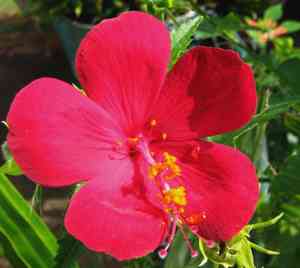
The Brazilian rosemallow, recognized for its vivid blossoms and dense leaves, thrives with trimming performed in early spring or late winter. Eliminate any deceased or compromised branches to foster robust development and improve flowering. Reduce density in congested sections to boost air movement and lower the chance of illness. Consistently snip back the tips to stimulate a fuller form and a greater profusion of blooms. Trimming during these periods aids in strong growth and preserves the plant's visual charm.
What Are the Benefits of Pruning Brazilian Rosemallow?
What Are the Benefits of Pruning Brazilian Rosemallow?
Pruning Brazilian rosemallow encourages robust development and maintains a desirable form. It helps control the plant's dimensions, promotes abundant blooms, and improves air circulation, thereby minimizing pest and disease problems. Regular trimming enhances its visual appeal, ensuring a vibrant garden presence.
What Is the Best Time for Pruning Brazilian Rosemallow?
What Is the Best Time for Pruning Brazilian Rosemallow?
The optimal time for pruning brazilian rosemallow is late winter or early spring, aligning with the plant's dormant phase. During this period, the plant's growth slows, reducing the shock and stress from pruning. Additionally, pruning before new growth begins allows for better shape control and removal of dead or diseased wood, fostering a healthier growing season. Pruning at these times also ensures the plant has ample opportunity to recover and produce vigorous new growth, leading to more prolific and vibrant flowers.
What Tools Do I Need to Prune Brazilian Rosemallow?
Hand Pruners
Perfect for making precise cuts on smaller branches and stems of brazilian rosemallow to promote dense growth.
Loppers
Useful for cutting thicker branches of brazilian rosemallow that are too large for hand pruners, typically up to 2 inches in diameter.
Pruning Saw
Essential for removing the oldest or thickest stems of brazilian rosemallow to encourage healthy new growth.
Bypass Pruners
Aids in making clean cuts on green, living wood of brazilian rosemallow without crushing the stem.
Gloves
Crucial for protecting hands from any potential thorns or sharp edges when pruning brazilian rosemallow.
How to Prune Brazilian Rosemallow
Inspect
Carefully examine brazilian rosemallow to identify any diseased or withered leaves. These parts are crucial to remove to prevent further damage and support healthy growth.
Tools
Use clean, sharp pruning shears to ensure clean cuts, minimizing damage to brazilian rosemallow. Sterilize tools before and after pruning to prevent the spread of disease.
Remove Disease
Cut away any diseased leaves at the base of the stem or as close to the healthy part of the plant as possible. Dispose of these leaves away from the plant to prevent contamination.
Remove Withered
Trim withered leaves, cutting them off at their point of attachment. Ensure you do not cut back too much healthy tissue to avoid stressing brazilian rosemallow.
Clean-Up
Remove all trimmed leaves from around brazilian rosemallow, ensuring a tidy and healthy environment. This reduces the risk of pests and disease taking hold in the plant's vicinity.
Common Pruning Mistakes with Brazilian Rosemallow
Over-pruning
Excessive pruning can stress brazilian rosemallow, leading to reduced flowering and increased vulnerability to pests and diseases.
Improper technique
Using dull or inappropriate tools can damage the plant tissue, making it susceptible to infections. Clean, sharp tools ensure clean cuts.
Pruning at wrong times
Pruning at inappropriate times (even excluding seasonal advice) can impair flowering cycles and overall plant health.
Removing too much foliage
Taking off too many leaves can limit photosynthesis, affecting growth and vigour. Balance is key.
Common Pruning Tips for Brazilian Rosemallow
Use sharp, clean tools
Always use well-maintained tools to make clean cuts and prevent the spread of disease.
Cut above nodes
Make cuts just above a leaf node or bud to encourage new growth in the desired direction.
Remove dead or weak stems first
Prioritize eliminating unhealthy or damaged stems to focus the plantâs energy on healthy growth.
Thinning out congested branches
Ensure proper air circulation by thinning overcrowded branches, which reduces disease risk and encourages stronger growth.



