
Brazilian rosemallow (Hibiscus phoeniceus)
Also known as: Red Hibiscus
Brazilian rosemallow, known for its striking red or burgundy flowers, flourishes in warm, tropical, or subtropical climates. It prefers sunny to partly shaded locations and moist, well-drained soil. The plant's lush green foliage and vibrant blooms attract pollinators, enhancing its role in the ecosystem. Regular watering and frost protection further support its growth.
In This Article
Attributes of Brazilian rosemallow
Lifespan
Perennial
Plant Height
1.5 to 3 meters
Spread
1.5 to 2.5 meters
Leaf Color
Dark green
Flower Size
10 to 15 centimeters
Flower Color
Red
Images of Brazilian rosemallow


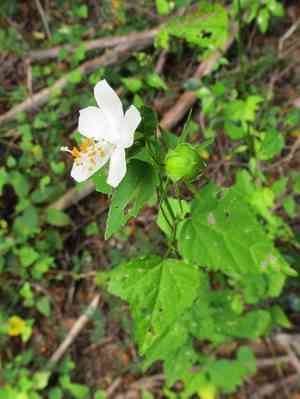

Quickly Identify Brazilian rosemallow
1
This plant can be identified by its large, bright red flowers with a characteristic central stamen. The leaves are generally ovate to lanceolate and dark green.
Scientific Classification of Brazilian rosemallow
Phylum
Vascular plants
Class
Dicotyledons
Order
Malvales
Family
Mallow
Genus
Hibiscus
Species
Brazilian rosemallow
Planting and Growing of Brazilian rosemallow
Care Difficulty
Moderate
Watering Schedule
Every 4 days
Sunlight Requirements
Full sun
Sunshine Duration
6-12 hours
Ideal Temperature
70-85℉
Soil Type
Potting Mix, Peat Mix
Soil pH
6.5-7.5
Fertilizer Type
Balanced
Pruning Season
Spring, Summer
Pruning Area
Branches, Leaves
Pruning Frequency
2 times a year
Repotting Season
Spring
Pot Type
Plastic, Ceramic
 How to Water Brazilian rosemallow?
For Hibiscus phoeniceus, ensure you soak the soil deeply but avoid waterlogging. The ideal is about 250 milliliters per watering, allowing the top few inches of soil to dry out between waterings. This encourages robust root growth without risk of root rot.
What are the symptoms of an underwatered Brazilian rosemallow?
›
What should I do if my Brazilian rosemallow is not getting enough water?
›
What are the symptoms of an overwatered Brazilian rosemallow?
›
How to save an overwatered Brazilian rosemallow?
›
 What Are the Sunlight Requirements for Brazilian rosemallow?
Hibiscus phoeniceus prefers full to partial sun, ideal for six to eight hours daily. Proper light fosters healthy blooms and growth, ensuring the plant's energy needs are fully met.
What is the ideal light intensity for Hibiscus phoeniceus?
›
How to ensure Hibiscus phoeniceus receives ideal lighting?
›
What are the benefits of optimal lighting for Hibiscus phoeniceus?
›
 What Is the Ideal Temperature Range for Brazilian rosemallow?
The ideal temperature range for Hibiscus phoeniceus is between 70°F and 85°F. Within this range, the plant can thrive, showing optimal growth and vibrant flowering. This temperature allows the plant's physiological processes to function efficiently, ensuring overall health and resilience.
 What Soil is Best for Brazilian rosemallow?
Hibiscus phoeniceus thrives in soil with good drainage. Adequate drainage ensures that water can flow freely through the soil, preventing root rot and other water-related issues. The plant benefits from a soil rich in organic matter. A nutrient-rich soil enhances its growth and brightens its flowers, ensuring a lush and vigorous appearance. While the plant requires soil that doesn't stay waterlogged, moderate moisture retention is crucial. This capability helps maintain a consistent moisture level, crucial for healthy growth.
 How to Fertilize Brazilian rosemallow?
For Hibiscus phoeniceus, proper fertilization requires a balanced approach. During the active growing season, use a water-soluble fertilizer diluted to half strength, applying approximately 1 tablespoon for every gallon of water. Ensure the soil remains moist after application to avoid salt buildup.
 How to Prune Brazilian rosemallow?
Before pruning Hibiscus phoeniceus, survey the plant carefully. Identify any dead or infected branches which need immediate removal to prevent disease spread and promote healthy growth. Focus on thinning out dense areas to enhance light penetration and air circulation. This prevents fungal diseases and allows the plant to maintain a balanced shape, promoting even growth.
More About Pruning Techniques→
 How to Propagate Brazilian rosemallow plant?
1
Harvest mature seeds from a healthy Hibiscus phoeniceus plant. It's important to let the seed pods dry on the plant before collecting to ensure the seeds are viable. Store them in a dry, cool place until ready for planting.
2
Select a healthy stem with no flowers or buds and make a clean cut using pruning shears. The cutting should be about 4-6 inches long with several leaves removed from the lower half to reduce water loss during rooting.
3
Plant seeds or cuttings into moist soil, ensuring good drainage. For seeds, sow them just below the soil surface and maintain humidity by covering with plastic if necessary. For cuttings, dip ends in rooting hormone before planting.
 How to Repot Brazilian rosemallow plant?
1
You should consider repotting your Hibiscus phoeniceus when you notice roots growing out of the drainage holes or if the plant seems to be drying out increasingly fast between waterings. These signs indicate that the plant has outgrown its current pot and requires more space and fresh soil to thrive.
2
Choose a pot that is 1-2 inches larger in diameter than the current one, with adequate drainage holes. This ensures that excess water can escape, preventing root rot. A pot that's too large can lead to overwatering, so sizing appropriately is crucial for maintaining balance.
3
Select a well-draining potting mix, ideally one designed for tropical plants. This type of soil provides the necessary aeration, reduces water retention, and enhances nutrient uptake, allowing Hibiscus to flourish with ample blossoms and vibrant foliage.
Learn More About Brazilian rosemallow Diseases
Anthracnose
Bacterial Leaf Spot
Bacterial Wilt
Black Spot
Chemical Injury
Crown Gall
Damping-off
Drought Stress
Fusarium Wilt
Gray Mold
Leaf Curl
Leaf Spot
Mosaic
Nutrient Deficiency
Nutrient Toxicity
Powdery Mildew
Root Rot
Root-knot Nematode
Rusts
Sooty Mold
Spider Mites
Temperature Stress
Thrips Damage
White Mold



