How to Prune Pink alumroot?
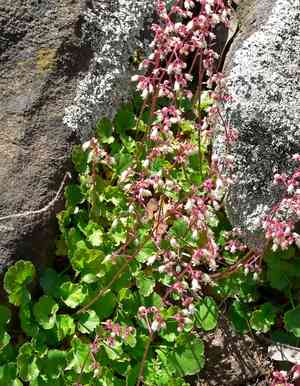
Pink alumroot, known for its appealing leaves and campanulate blossoms, flourishes when trimmed to preserve its form and stimulate robust development. Eliminate withered or compromised foliage at any time, and following the flowering phase, shorten the flower stalks to foster a tidy look. Trimming can be performed throughout the year, but it is most effective after the blooming season. Consistent pruning averts excessive density and enhances air movement, thereby lowering the chances of pests and diseases, and bolstering the plant's general well-being.
What Are the Benefits of Pruning Pink Alumroot?
What Are the Benefits of Pruning Pink Alumroot?
Trimming pink alumroot promotes abundant flowering, stimulates vigorous development, and maintains a compact, appealing shape. This practice ensures the plant's energy is directed towards vibrant blossoms and dense foliage, enhancing its decorative charm and vitality.
What Is the Best Time for Pruning Pink Alumroot?
What Is the Best Time for Pruning Pink Alumroot?
Pruning in late winter to early spring, just before new growth begins, supports pink alumroot's health, encourages strong development, and preserves its desired form without disrupting its natural bloom cycle. Trimming at this time allows the plant to recover from cuts before the active growing season. Furthermore, the plant's structure is more visible when not fully leafed out, simplifying the identification and removal of diseased or damaged tissue. This timing also prevents the removal of flower buds formed on the previous year's growth, ensuring seasonal flowering is unaffected. Pruning now minimizes the risk of pest and disease infestations, which are more common with cuts made in warmer months.
What Tools Do I Need to Prune Pink Alumroot?
Bypass Pruners
Perfect for making clean cuts on the softer stems of pink alumroot, ensuring a healthy incision that supports plant vigor.
Garden Snips
Useful for trimming delicate flowers and leaves of pink alumroot without harming nearby stems or foliage, thanks to their precise blades.
Gardening Gloves
Protects the gardener's hands from scratches and ensures a secure grip on pruning tools while tending to pink alumroot.
How to Prune Pink Alumroot
Disinfect tools
Before beginning, ensure all pruning tools are sanitized to prevent the spread of disease to and from pink alumroot.
Remove diseased
Identify and carefully cut away any diseased leaves and branches from pink alumroot, using clean, sharp scissors or pruning shears, taking care not to harm healthy tissues.
Trim withered
Remove withered leaves and dead branches from pink alumroot to maintain plant shape and encourage new growth. Make a clean cut at the base of the affected part.
Cut withered flower
Deadhead spent flowers by snipping the flower stem just above the first set of healthy leaves to encourage more blooms in the future for pink alumroot.
Cleanup
Gather and dispose of all pruned material away from pink alumroot to prevent potential disease re-infection or pest infestation.
Common Pruning Mistakes with Pink Alumroot
Overzealous Cutting
Cutting too much of pink alumroot at once can shock the plant, leading to poor growth or death.
Ignoring Dead or Damaged Leaves
Failing to remove dead or damaged leaves can encourage disease and pest issues in pink alumroot.
Pruning Healthy Blooms
Removing healthy flowers diminishes ornamental value and can negatively impact the plant's vitality.
Not Disinfecting Tools
Failure to sanitize pruning tools can spread disease between plants, potentially harming pink alumroot.
Tearing Stems
Using dull tools or improper technique that tears stems can cause damage and make pink alumroot vulnerable to disease.
Common Pruning Tips for Pink Alumroot
Selective Thinning
Remove only the oldest and most crowded foliage to improve air circulation and light penetration for pink alumroot.
Cleanup
After flowering, tidy up spent flowers to keep pink alumroot looking neat and to potentially encourage additional blooming.
Cut to the Base
When removing dead leaves or spent flower stems, cut them off at the base to prevent rot and promote a clean appearance.
Sterilize Tools
Always use sharp, sterilized pruning scissors or shears to prevent diseases and ensure clean cuts on pink alumroot.
Shape Maintenance
Prune to maintain natural mound shape, which is crucial for the overall health and aesthetic of pink alumroot.



