The Pink alumroot Plant Advantage: Maximizing Home and Office Appeal and Wellness
1
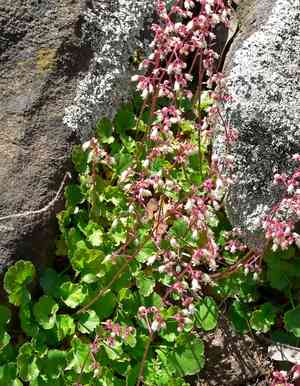
Heuchera sanguinea is a superb choice for decorative landscaping because of its colorful leaves and blooms.
2
It flourishes in areas with some shade, making it perfect for shaded garden spaces.
3
Heuchera sanguinea aids in preventing soil loss thanks to its strong root structure.
Why Select Pink Alumroot for Your Garden?
Aesthetic Appeal
Pink alumroot is cherished for its striking foliage and delicate, vibrantly colored blossoms. Its leaves often feature unique textures and hues, adding an attractive element to any garden. Whether you have a small yard or an expansive garden, incorporating Pink alumroot can boost visual appeal and create captivating focal points.
Adaptable Growing Conditions
Pink alumroot adapts to various growing conditions, making it a popular choice for gardeners of all experience levels. It flourishes in partial shade, suiting woodland and shaded gardens. Additionally, once established, the plant tolerates drought, reducing the need for frequent watering and upkeep.
Environmental Advantages of Pink Alumroot
Soil Erosion Prevention
A notable ecological benefit of Pink alumroot is its capacity to prevent soil erosion. Its robust root system helps anchor the soil, minimizing erosion and fostering soil health. Planting Pink alumroot on slopes or in erosion-prone areas offers an effective natural solution to protect the landscape.
Pollinator Attraction
Pink alumroot plays a vital role in supporting local ecosystems by drawing in pollinators like bees and butterflies. Its flowers provide nectar and habitat for these beneficial insects, enhancing garden biodiversity. By including Pink alumroot in your planting plan, you contribute to the local ecosystem's health and balance.
Effortless Maintenance and Durability
Minimal Care Needs
One of Pink alumroot's key attributes is its low-maintenance nature. The plant requires minimal attention, making it perfect for both new and seasoned gardeners. Regular watering during initial growth, occasional removal of dead leaves, and general garden tidiness are usually enough to keep Pink alumroot in prime condition.
Extended Lifespan
Pink alumroot is a perennial, meaning it can live for several years with proper care. This longevity ensures your garden remains vibrant and lively year after year. The plant's resilience to various environmental stresses further contributes to its long-term viability.
Optimal Practices for Growing Pink Alumroot
Ideal Planting Environment
To maximize Pink alumroot's benefits in your garden, it's crucial to plant it under optimal conditions. Choose a spot with well-drained soil and partial to full shade. While adaptable to different soil types, Pink alumroot thrives best in slightly acidic to neutral pH levels. Adding organic matter like compost can improve soil fertility and support healthy growth.
Seasonal Care Advice
Throughout the year, specific care routines can help maintain Pink alumroot's health and appearance. In spring, consider applying a balanced fertilizer to encourage new growth. During blooming, deadheading spent flowers can promote more blooms and prevent seed dispersal. In late fall, mulching around the plant's base can provide insulation against harsh winter temperatures.
Integrating Pink Alumroot into Your Landscape
Design Concepts
There are many ways to incorporate Pink alumroot into your garden design. Use it as a ground cover in shaded areas to create lush, green carpets. Alternatively, plant Pink alumroot along borders or pathways to enhance your garden's visual flow. Combining Pink alumroot with other shade-tolerant plants can create a dynamic, layered planting scheme that offers year-round interest.
Companion Planting
Companion planting is another effective strategy for integrating Pink alumroot into your garden. Pairing Pink alumroot with plants that have similar growing requirements, such as ferns and hostas, can create a cohesive and thriving garden environment. These companion plants can complement Pink alumroot's aesthetic appeal while contributing to the overall health of the garden ecosystem.



