How to Prune Oregon false goldenaster?
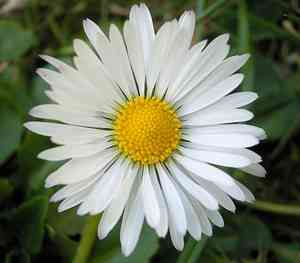
The Oregon false goldenaster, recognized for its vivid yellow blossoms, thrives with consistent trimming to preserve its form and encourage robust development. Essential methods involve excising deceased or ailing stalks and reducing excessively grown sections. The most favorable periods for pruning are early spring and late winter, aligning with dormant phases to lessen plant stress. This practice enhances floral production and general well-being. Routine pruning restricts undesirable expansion, fosters abundant flowers, and sustains visual attractiveness.
What Are the Benefits of Pruning Oregon False Goldenaster?
What Are the Benefits of Pruning Oregon False Goldenaster?
Trimming oregon false goldenaster promotes vigorous growth and maintains its form. Regular cutting encourages new shoots, keeps a manageable size, and improves its overall look, ensuring strong and healthy development.
What Is the Best Time for Pruning Oregon False Goldenaster?
What Is the Best Time for Pruning Oregon False Goldenaster?
Pruning oregon false goldenaster in late winter or early spring is ideal as it coincides with the plant's dormant phase, minimizing stress and disease risk. This timing also allows for the removal of damaged or dead growth before new growth starts, supporting healthier and more robust spring development. Furthermore, pruning during these seasons encourages better flowering by giving the plant ample time to form buds for the blooming period.
What Tools Do I Need to Prune Oregon False Goldenaster?
Hand pruners
Perfect for cutting small stems and branches under 1/4 inch in diameter. These are crucial for precise cuts without harming oregon false goldenaster.
Bypass pruners
Effective for making clean cuts on living wood, which encourages healthy regrowth. Excellent for the ongoing health of oregon false goldenaster.
Pruning shears
Suitable for cutting thicker stems and shaping the plant. Essential for managing the overall structure of oregon false goldenaster.
Gloves
Protects hands from any potential thorns and from the sap while pruning oregon false goldenaster.
How to Prune Oregon False Goldenaster
Assess
Inspect the entire oregon false goldenaster plant to find diseased or withered leaves that require removal.
Sterilize
Sanitize your pruning tools (scissors or shears) with rubbing alcohol or a bleach solution to prevent disease transmission.
Remove Diseased Leaves
Cut off any diseased leaves at their base or 1-2 inches below any visible disease signs, making clean, sharp cuts to encourage healthy regrowth.
Remove Withered Leaves
Trim withered leaves close to the base, being careful not to harm nearby healthy tissue.
Dispose
Discard the removed diseased and withered leaves away from the plant area to prevent potential contamination and disease spread.
Common Pruning Mistakes with Oregon False Goldenaster
Over-pruning
Removing too much foliage can stress oregon false goldenaster, reducing its ability to photosynthesize and thrive.
Incorrect technique
Using dull or dirty tools can cause jagged cuts, which may lead to disease entry or poor healing for oregon false goldenaster.
Pruning at the wrong angle
Making cuts at the wrong angle can cause water to pool on the wound, increasing the risk of rot and disease.
Pruning too frequently
Frequent pruning can weaken oregon false goldenaster, leading to reduced growth and flowering.
Common Pruning Tips for Oregon False Goldenaster
Clean and sharp tools
Always use clean, sharp pruners to make precise cuts that heal more quickly and reduce the risk of infection.
Cut at a 45-degree angle
Make cuts at a 45-degree angle to prevent water from pooling on the wounds, which helps prevent disease.
Moderation is key
Prune no more than one-third of oregon false goldenaster at a time to avoid stressing the plant and to promote healthy growth.
Focus on dead or diseased wood
Remove any dead, diseased, or damaged wood first to improve overall plant health and reduce the spread of disease.



