How to Propagate Oregon false goldenaster?
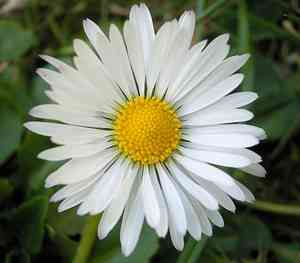
The most effective method for propagating Oregon false goldenaster is via seeding. Opt for a growing medium that drains efficiently and ensure proper seed-to-soil contact by gently pressing the seeds onto the surface. Maintain consistent moisture in the soil, avoiding saturation. Sprouting occurs rapidly, and young plants can be relocated once they have developed sufficient resilience. Select a bright spot to encourage vigorous development. Periodically inspect for insect infestations, ensuring ample distance between plants to reduce problems.
What Is the Best Time To Propagate Oregon False Goldenaster?
Propagation Type
Sowing
Propagation Season
Spring
What Tools Are Used in Oregon False Goldenaster Propagation?
Seed Trays
Seed trays offer a controlled setting for planting and promoting consistent germination. They aid in organizing oregon false goldenaster seeds methodically, simplifying growth monitoring and watering management.
Seedling Heat Mats
These mats maintain an ideal temperature for seed sprouting. For oregon false goldenaster, steady warmth significantly boosts germination success, especially in cooler climates.
Fine Mist Sprayer
A fine mist sprayer ensures gentle irrigation, preventing displacement or harm to the delicate oregon false goldenaster seeds. It avoids over-saturation and helps maintain appropriate moisture levels.
Moisture Dome
A moisture dome helps retain humidity and warmth around seeds, creating a greenhouse effect. This is particularly beneficial for the initial growth phases of oregon false goldenaster, ensuring consistent moisture for germination.
Seedling Markers
Seedling markers track various planting dates and types within trays. For oregon false goldenaster, clear labeling assists in efficiently managing and monitoring germination stages.
Sterile Potting Mix
A sterile potting mix prevents diseases and pests that can harm young seedlings. For oregon false goldenaster, a well-draining, nutrient-rich mix encourages healthy root development and reduces transplant shock.
Pinch Pruners
Pinch pruners help thin out seedlings to prevent overcrowding. Regular pruning of oregon false goldenaster seedlings promotes robust growth and aids in developing strong, vigorous plants.
Root Dipping Hormone
While not always essential, a root dipping hormone can support the development of strong roots when moving oregon false goldenaster from trays to larger pots or garden beds.
How to Propagate Oregon False Goldenaster?
Propagation Type
Easy
How to Care for Your Newly Propagated Oregon False Goldenaster?
How to Care for Your Newly Propagated Oregon False Goldenaster?
After transplanting, ensure oregon false goldenaster receives ample sunlight and is placed in well-draining soil. Water moderately, allowing the soil to dry between watering sessions. Apply mulch around the base to retain moisture and inhibit weed growth. Prune spent flowers to encourage more blooms and foster a healthy growth habit. Regularly check for pests and diseases, treating any issues promptly. Fertilize sparingly, using a balanced, slow-release fertilizer during the growing season to support their vibrant growth.
Common Mistakes to Avoid When Propagating Oregon False Goldenaster
Overwatering
Excessive water can lead to root rot, which is detrimental to the plant's health and can significantly impede propagation success.
Improper Soil Choice
Using soil that holds too much moisture or lacks proper drainage can cause roots to suffocate and decay, negatively impacting the plantâs growth.
Inadequate Light
Insufficient sunlight can prevent the plant from photosynthesizing effectively, leading to weak, leggy growth and lower propagation success.
Neglecting Cuttings
Failing to properly care for cuttings, such as not keeping them moist or using unsterilized tools, can result in rot or disease, reducing the chances of successful propagation.
Crowded Planting
Planting cuttings too close together can cause competition for resources like light, water, and nutrients, hindering healthy growth and propagation.
Tips For Propagating Oregon False Goldenaster
Well-Draining Soil
Utilize a soil mix that ensures good drainage to prevent root rot and allows the roots to breathe.
Moderate Watering
Keep the soil consistently moist but not waterlogged. Watering should be adjusted if the top inch of soil feels dry to the touch.
Proper Light Exposure
Ensure that oregon false goldenaster receives ample indirect sunlight to facilitate healthy growth. If indoors, placing by a bright window is ideal.
Sterilize Tools
Always use sterilized tools for taking cuttings to prevent the introduction of diseases.
Space Cuttings Appropriately
Plant cuttings with sufficient space between them to reduce competition and allow for better air flow and light penetration.



