How to Prune Wingpetal?
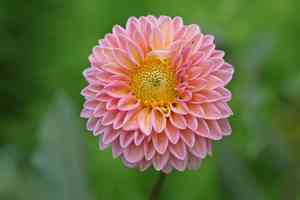
Celebrated for its brilliant yellow flowers and characteristic winged seeds, wingpetal thrives with consistent trimming to encourage robust, flourishing development. The ideal periods for this maintenance are during spring, summer, and autumn. Essential methods encompass excising deceased or injured stalks, reducing density in congested sections, and sculpting the specimen to preserve its inherent shape. Trimming enhances air movement and light exposure, thereby lowering the likelihood of illness. Always employ keen, sanitized implements to lessen harm and foster rapid recovery.
What Are the Benefits of Pruning Wingpetal?
What Are the Benefits of Pruning Wingpetal?
Trimming wingpetal encourages strong development, maintains its form, improves aesthetic appeal, and can prevent pest and illness problems. Consistent cutting fosters a sturdy framework, ensuring the plant stays healthy and visually pleasing.
What Is the Best Time for Pruning Wingpetal?
What Is the Best Time for Pruning Wingpetal?
Pruning wingpetal during Spring, Summer, and Fall is ideal as it aligns with the plant's active growth phases. In Spring, trimming stimulates vigorous new growth as the plant emerges from dormancy. During Summer, selective cutting helps manage the plant's shape and removes any damaged or diseased sections, promoting overall health. Pruning in Fall prepares wingpetal for the colder months by eliminating dead or overgrown branches, which can reduce stress and prevent disease. These periods are optimal because they avoid the plant's dormant phase in Winter, ensuring wingpetal can recover quickly and continue to flourish.
What Tools Do I Need to Prune Wingpetal?
Hand Pruners
Hand pruners are crucial for wingpetal due to their accuracy and control, making them perfect for snipping small branches and stems. They help maintain the plant's form and encourage healthy development.
Hedge Shears
Hedge shears are suitable for pruning wingpetal as they allow for uniform trimming of the plant, promoting a neat and orderly appearance. These shears are excellent for cutting multiple stems simultaneously.
Pruning Saw
A pruning saw is recommended for wingpetal to manage thicker branches that hand pruners or shears cannot cut. It ensures clean cuts on larger branches without harming the plant.
Gloves
Protective gloves are essential while pruning wingpetal to shield hands from thorns or rough materials. They ensure safety and comfort during the pruning process.
How to Prune Wingpetal
Prepare tools
Sanitize pruning shears or scissors to prevent disease transmission. Ensure the tools are sharp for precise cuts.
Identify target
Locate all withered leaves on wingpetal. Be sure to clearly distinguish them from healthy foliage.
Trim withered leaves
Carefully cut the withered leaves at their base where they connect to the main stem. Ensure you do not harm surrounding healthy tissue.
Dispose debris
Gather and discard the trimmed withered leaves to prevent potential disease and pests from affecting wingpetal.
Observe health
Regularly monitor wingpetal for any new withered leaves or other signs of stress, and repeat the pruning steps as needed.
Common Pruning Mistakes with Wingpetal
Improper Technique
A common error is using dull or dirty pruning tools, which can harm the plant by creating jagged cuts that invite disease.
Over-pruning
Removing too much foliage can stress wingpetal, reducing its ability to photosynthesize and recover, leading to poor health and diminished flowering.
Incorrect Cutting
Cutting too close to the main stem or directly above a bud can damage the plant tissue or hinder new growth.
Ignoring Dead or Diseased Parts
Failing to remove dead or diseased stems can spread infections to healthy parts of wingpetal.
Common Pruning Tips for Wingpetal
Use Clean, Sharp Tools
Always use clean, sharp pruning shears to make precise cuts that heal quickly, minimizing the risk of disease.
Target Specific Areas
Focus on removing dead, diseased, or damaged stems first, followed by any crossing branches that could hinder growth.
Prune for Shape and Health
Aim to open up the plant structure by removing inward-growing stems to enhance air circulation and light penetration.
Moderation is Key
Remove no more than a third of the plant's foliage at a time to avoid over-stressing wingpetal and to encourage robust growth.



