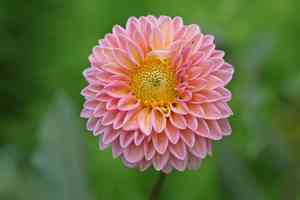
Wingpetal (Heterosperma pinnatum)
Also known as: Golden Crownbeard
**Heterosperma pinnatum**, commonly known as the wingpetal, is a plant species in the sunflower family native to the New World. Its distribution is fragmented across both North and South America, with occurrences in countries such as Bolivia, Venezuela, and Mexico, as well as regions in Central America like Guatemala and Honduras. In the United States, it is found in the southwestern states including Arizona, New Mexico, western Texas, and southern Colorado.
In This Article
Attributes of Wingpetal
Lifespan
Annual
Plant Type
Herb
Plant Height
0 mm to 91 cm
Spread
10 to 30 cm
Leaf Color
Green
Flower Size
1.5 to 2.5 cm
Flower Color
Yellow
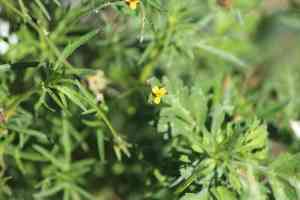
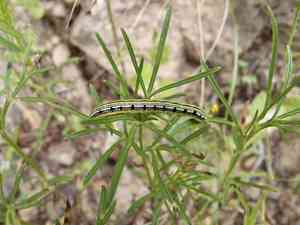
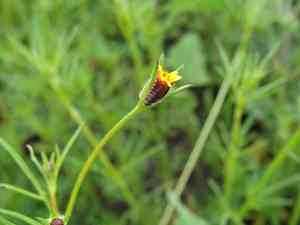
Images of Wingpetal
Quickly Identify Wingpetal
1
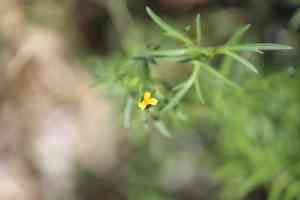
Heterosperma pinnatum can be identified by its pinnately lobed leaves, bright yellow daisy-like flowers, and a distinctive growth habit. It often grows in open, sunny locations.
Scientific Classification of Wingpetal
Phylum
Vascular plants
Class
Dicotyledons
Order
Asterales
Family
Daisy
Genus
Heterosperma
Species
Wingpetal
Planting and Growing of Wingpetal
Care Difficulty
Moderate
Watering Schedule
Every 2 days
Sunlight Requirements
Full sun
Sunshine Duration
4-8 hours
Ideal Temperature
68-77℉
Soil Type
Potting Mix, Peat Mix
Soil pH
6.5-7.5
Fertilizer Type
Balanced
Pruning Season
Spring, Summer
Pruning Area
Branches, Leaves
Pruning Frequency
2 times a year
Repotting Season
Spring
Pot Type
Plastic, Ceramic
 How to Water Wingpetal?
When watering Heterosperma pinnatum, ensure the water penetrates deeply into the soil. The goal is for the soil to be evenly moist without waterlogging. About 250 milliliters should suffice, depending on the soil's current moisture level.
What are the symptoms of an underwatered Wingpetal?
›
What should I do if my Wingpetal is not getting enough water?
›
What are the symptoms of an overwatered Wingpetal?
›
How to save an overwatered Wingpetal?
›
 What Are the Sunlight Requirements for Wingpetal?
Heterosperma pinnatum flourishes in full sun to partial sun conditions. An environment providing consistent exposure to bright light promotes productive photosynthesis, resulting in lush foliage and abundant flowering.
What is the ideal light intensity for Heterosperma pinnatum?
›
How can we adjust lighting to meet Heterosperma pinnatum's needs?
›
What benefits does proper lighting bring to Heterosperma pinnatum?
›
 What Is the Ideal Temperature Range for Wingpetal?
The ideal temperature range for Heterosperma pinnatum is between 68°F and 77°F. This range provides optimal conditions for growth and development, ensuring the plant remains healthy and vigorous. Such temperatures facilitate various physiological processes, including photosynthesis, nutrient uptake, and root growth.
 What Soil is Best for Wingpetal?
Heterosperma pinnatum thrives in well-drained soils that help prevent root rot. This requirement ensures the roots remain healthy by avoiding waterlogged conditions, which can lead to disease and poor growth. This plant requires soils with moderate fertility to support its nutrient needs without overwhelming it. A balanced nutrient profile promotes robust growth and vibrant foliage. Soil with good aeration allows the roots of Heterosperma pinnatum to breathe and access oxygen efficiently. It prevents soil compaction, thereby enhancing root development and overall plant health.
 How to Fertilize Wingpetal?
For Heterosperma pinnatum, it is best to apply a diluted liquid fertilizer (1/4 strength) to avoid over-fertilizing. Use about 150 ml per plant during the growing season. For slow-release fertilizer, sprinkle approximately 10 grams around the base of the plant, keeping it away from the stem to prevent burning the plant.
 How to Prune Wingpetal?
Start by examining the plant carefully to identify any dead or diseased leaves or branches. Remove these carefully to prevent the spread of disease and promote healthy growth. Cut back overgrown stems to maintain the plant's shape and improve airflow between the leaves. This helps in preventing fungal infections and allows sunlight to penetrate better. After pruning, water the plant adequately and apply a balanced fertilizer to encourage new growth. Monitor the plant in the weeks following to ensure it is recovering well.
More About Pruning Techniques→
 How to Propagate Wingpetal plant?
1
Collect seeds from mature Heterosperma pinnatum plants during the autumn. Ensure the seeds are fully dry and free from any plant debris or pests before storage.
2
In early spring, sow the seeds onto the surface of the potting mix, pressing them lightly into the soil. Do not cover them as they require light to germinate.
3
Maintain consistent moisture in the soil but avoid waterlogging. Use a spray bottle to gently mist the soil to provide even moisture during the germination period.
 How to Repot Wingpetal plant?
1
Repotting should be done when the plant shows signs of overcrowding, such as roots emerging from drainage holes or slow growth. The best timing is early in the growing season to help Heterosperma pinnatum to quickly establish in its new pot.
2
Opt for a pot that's one size larger than the current one, with good drainage. A slightly bigger pot encourages balanced root growth and prevents waterlogging, a common cause of root rot in Heterosperma pinnatum.
3
Select a well-draining, sandy soil mix. This type of soil prevents water retention and facilitates nutrients' easy access to roots, essential for the vibrant growth of Heterosperma pinnatum.
Learn More About Wingpetal Diseases
Anthracnose
Bacterial Leaf Spot
Bacterial Wilt
Black Spot
Chemical Injury
Damping-off
Downy Mildew
Drought Stress
Fusarium Wilt
Gray Mold
Leaf Spot
Mosaic
Nutrient Deficiency
Nutrient Toxicity
Powdery Mildew
Root Rot
Root-knot Nematode
Rusts
Sooty Mold
Spider Mites
Temperature Stress
Thrips Damage
White Mold



