How to Prune Brewer's dwarf-flax?
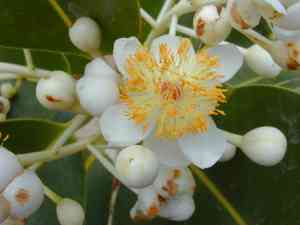
Linum suffruticosum subsp. salsoloides, a unique, compact flowering species, thrives with trimming performed in early spring or late winter. Concentrate on excising deceased or compromised stalks to foster robust development. Reducing crowded sections enhances air movement and diminishes the likelihood of illness. Trimming immediately prior to fresh growth guarantees abundant flowering periods. Furthermore, take into account the plant's natural development pattern and refrain from severe cutting that might impede its inherent shape. Consistent trimming contributes to a sturdy and aesthetically pleasing specimen.
What Are the Benefits of Pruning Brewer's Dwarf-flax?
What Are the Benefits of Pruning Brewer's Dwarf-flax?
Trimming brewer's dwarf-flax promotes robust development and helps maintain a neat shape. Regular cutting prevents crowding, improving air circulation and reducing vulnerability to pests and illnesses. It also boosts flowering and ensures the plant stays attractive and thriving.
What Is the Best Time for Pruning Brewer's Dwarf-flax?
What Is the Best Time for Pruning Brewer's Dwarf-flax?
Pruning brewer's dwarf-flax in early spring and late winter is ideal because this period aligns with the plant's inactive phase. During dormancy, brewer's dwarf-flax experiences minimal growth, which lessens pruning stress and speeds up recovery. Furthermore, trimming before new growth begins ensures the plant can direct its energy efficiently toward producing strong, healthy shoots in the upcoming season. This timing also minimizes disease and pest risk, as wounds have ample time to heal before warmer weather, which typically favors pests and pathogens.
What Tools Do I Need to Prune Brewer's Dwarf-flax?
Bypass Pruners
Bypass pruners are perfect for making clean cuts on live branches and stems of brewer's dwarf-flax. They help maintain plant health by preventing unnecessary crushing of plant tissue.
Precision Pruning Shears
Given brewer's dwarf-flax's delicate and compact growth, precision pruning shears offer the necessary control to accurately trim small or thin stems.
Pruning Knife
A pruning knife can be useful for refining cuts and removing dead or damaged parts without harming the rest of brewer's dwarf-flax.
Sanitation Supplies (like alcohol wipes)
Keeping tools clean with sanitation supplies helps prevent the spread of any potential diseases that could affect brewer's dwarf-flax. These supplies are essential for maintaining the plant's health.
How to Prune Brewer's Dwarf-flax
Assess
Examine brewer's dwarf-flax for any diseased or withered foliage before beginning the pruning process.
Tools
Utilize clean, sharp pruning shears to ensure precise cuts and to prevent the spread of disease.
Diseased leaves
Carefully remove any diseased leaves by cutting them at their base, ensuring no damage to healthy parts of brewer's dwarf-flax.
Withered leaves
Trim away any withered leaves by cutting them as close to the stem as possible without harming living tissue.
Dispose
Properly discard all removed leaves to prevent disease spread and to maintain the overall health of brewer's dwarf-flax.
Common Pruning Mistakes with Brewer's Dwarf-flax
Incorrect tools
Using dull or unsuitable tools can harm the plant, leading to jagged cuts and increased susceptibility to disease.
Over-pruning
Removing too much foliage at once can stress brewer's dwarf-flax, hindering its growth and vitality.
Wrong angle cuts
Making cuts at improper angles can impede proper healing, making the plant more vulnerable to pests and diseases.
Pruning at incorrect nodes
Cutting stems without considering leaf nodes can result in poor regrowth and a less attractive plant.
Common Pruning Tips for Brewer's Dwarf-flax
Use sharp tools
Always use sharp, clean pruning shears or scissors to make precise cuts and minimize damage to brewer's dwarf-flax.
Light pruning
Perform gentle pruning sessions to gradually shape the plant and remove dead or diseased parts, allowing brewer's dwarf-flax to recover quickly.
Proper angle
Make cuts at a 45-degree angle away from the bud to encourage water runoff and reduce the risk of rot.
Cut above nodes
Always prune just above a leaf node or bud to promote healthy new growth and maintain the plant's natural form.
Sanitize tools
Regularly clean and disinfect pruning tools before and after use to prevent the spread of diseases.
Observe growth
Regularly monitor the plant’s growth and prune selectively to encourage a balanced and vigorous habit without overburdening brewer's dwarf-flax.


