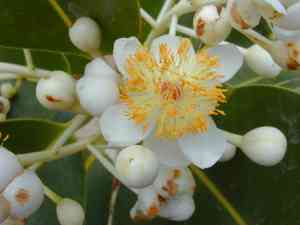
Brewer's dwarf-flax (Hesperolinon breweri)
Also known as: Brewer's western flax
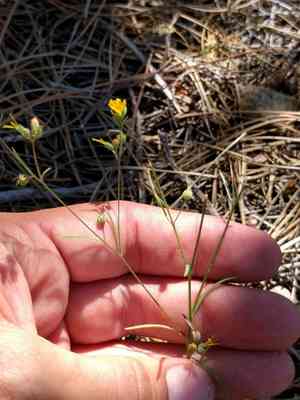
Brewer's dwarf-flax (Hesperolinon breweri) is a petite, resilient annual herb endemic to California, thriving in the challenging environment of serpentine soils. It features slender stems and narrow, linear leaves that grow closely along the stem. The plant is adorned with small, delicate flowers that range from pink to white, each having five distinct petals. Blooming in the spring, Brewer's dwarf-flax adds subtle beauty to the rocky, nutrient-poor landscapes of chaparral, grasslands, and oak woodlands where it naturally occurs.
In This Article
Attributes of Brewer's dwarf-flax
Lifespan
Annual
Plant Type
Herb
Plant Height
15-30 cm
Spread
Typically minimal as it is a slender herb
Leaf Color
Green
Flower Size
Approximately 1-2 mm
Flower Color
Yellow
Images of Brewer's dwarf-flax
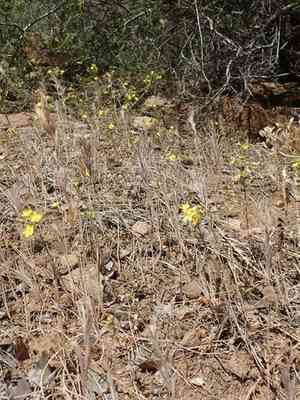
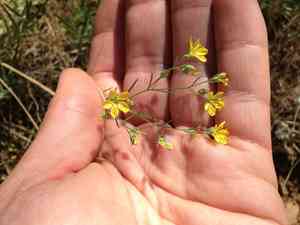
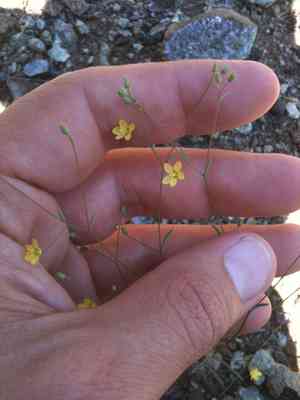
Quickly Identify Brewer's dwarf-flax
1
Look for a small, slender herb with tiny yellow flowers arranged in clusters. The plant usually exhibits narrow, linear leaves.
Scientific Classification of Brewer's dwarf-flax
Phylum
Vascular plants
Class
Dicotyledons
Order
Malpighiales
Family
Flax
Genus
Dwarf-flax
Species
Brewer's dwarf-flax
Planting and Growing of Brewer's dwarf-flax
Care Difficulty
Moderate
Watering Schedule
Every 2 days
Sunlight Requirements
Full sun
Sunshine Duration
6-8 hours
Ideal Temperature
68-77℉
Soil Type
Potting Mix, Peat Mix
Soil pH
6.5-7.5
Fertilizer Type
Balanced
Pruning Season
Spring, Summer
Pruning Area
Branches, Leaves
Pruning Frequency
2 times a year
Repotting Season
Spring
Pot Type
Plastic, Ceramic
 How to Water Brewer's dwarf-flax?
When watering Hesperolinon breweri, it's crucial to ensure the soil is moistened just enough without becoming waterlogged. Typically, aiming for around 100 ml per session allows the roots to absorb sufficient moisture while avoiding root rot. This balance is achieved by allowing the soil to dry out slightly between watering sessions.
What are the symptoms of an underwatered Brewer's dwarf-flax?
›
What should I do if my Brewer's dwarf-flax is not getting enough water?
›
What are the symptoms of an overwatered Brewer's dwarf-flax?
›
How to save an overwatered Brewer's dwarf-flax?
›
 What Are the Sunlight Requirements for Brewer's dwarf-flax?
Hesperolinon breweri ideally requires a combination of full to partial sun exposure. Proper light ensures robust flowering cycles, healthier foliage, and strengthens its defense mechanisms.
Why is sunlight crucial?
›
How can I provide the ideal light conditions?
›
What benefits does ideal lighting bring?
›
 What Is the Ideal Temperature Range for Brewer's dwarf-flax?
The ideal temperature range for growing Hesperolinon breweri is between 68°F and 77°F. This range ensures optimal metabolic activity and photosynthesis, providing the best conditions for growth and flowering. Maintaining this temperature range will help the plant thrive and resist diseases more effectively.
 What Soil is Best for Brewer's dwarf-flax?
Hesperolinon breweri thrives in well-drained soil, which ensures that the roots do not sit in water, preventing root rot and promoting healthy plant growth. The soil should allow adequate water flow to support the plant's growth without waterlogging. This plant benefits from soil rich in organic matter, providing essential nutrients that promote robust growth and vibrant blooms. Well-balanced nutrients support the plant's photosynthetic processes and overall vitality. Hesperolinon breweri prefers moderate moisture levels in the soil, which helps maintain the rigidity and health of the stems and leaves. Overly dry or soggy soils can lead to stress and reduced vitality.
 How to Fertilize Brewer's dwarf-flax?
Hesperolinon breweri is a plant that requires careful attention to its fertilization needs. For liquid fertilizer, a diluted mix should be used, ideally at half the strength recommended for typical indoor plants. Slow-release fertilizers should be used sparingly, with a balanced formula like 10-10-10 applied at the recommended frequency.
 How to Prune Brewer's dwarf-flax?
When pruning Hesperolinon breweri, always position your scissors or shears just above a node or set of leaves. This encourages the plant to produce new growth in those areas, resulting in a fuller appearance. Remove any dead or diseased stems first, cutting back to healthy tissue to avoid spread of any potential problems.
More About Pruning Techniques→
 How to Propagate Brewer's dwarf-flax plant?
1
Collect seeds from mature Hesperolinon breweri plants during late spring. Ensure seeds are fully developed and dry to maximize germination success. Any moisture remaining can lead to seed decay during storage.
2
Sow the seeds in a seed tray filled with sterilized potting soil. Make shallow depressions as Hesperolinon breweri seeds require light to germinate. Water lightly to avoid displacing the seeds.
3
Maintain the seed tray at a stable temperature between 15-20°C. Provide indirect sunlight to encourage germination while preventing the soil from drying out.
 How to Repot Brewer's dwarf-flax plant?
1
Repot your Hesperolinon breweri when you see roots emerging from the drainage holes at the bottom of the pot. Another signal is when the soil dries out very quickly after watering, or if the plant appears stunted or crowded. These are signs that the plant has outgrown its pot.
2
Select a pot that is 1-2 inches larger in diameter than the current one, with sufficient drainage holes to prevent waterlogging. A terracotta pot is ideal as it allows moisture to evaporate, keeping the roots healthy. This ensures the plant has room to grow while maintaining good air circulation and proper drainage.
3
Opt for a well-draining sandy mix that mimics the plant's natural habitat. This type of soil prevents root rot and allows proper nutrient uptake. A mix that includes a combination of sand, perlite, and a small amount of peat moss is recommended to maintain a balance of moisture and aeration.
Learn More About Brewer's dwarf-flax Diseases
Bacterial Leaf Spot
Bacterial Wilt
Chemical Injury
Crown Gall
Cyst Nematode
Damping-off
Downy Mildew
Drought Stress
Fusarium Wilt
Gray Mold
Leaf Spot
Mosaic
Nutrient Deficiency
Nutrient Toxicity
Powdery Mildew
Root Rot
Root-knot Nematode
Rusts
Sooty Mold
Spider Mites
Temperature Stress
Thrips Damage
White Mold


