How to Prune Barreta?
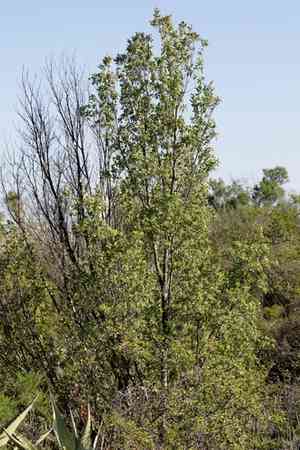
This perennial bush or compact tree flourishes in adequately drained ground and demonstrates resilience to arid conditions. For barreta, trimming is most effectively carried out in the colder months while the plant is inactive. Essential methods involve reducing dense branches to enhance air circulation and sunlight exposure, and eliminating lifeless or infected timber to foster robust development. Trimming additionally preserves its form and stimulates blooming. It is crucial to employ sanitized, keen implements to lessen trauma and avert the spread of pathogens.
Advantages of Trimming Barreta
Advantages of Trimming Barreta
Trimming barreta promotes robust development and helps maintain its desired form. Regular cutting eliminates dead or overgrown branches, enhancing plant vitality and appearance.
Optimal Period for Pruning Barreta
Optimal Period for Pruning Barreta
The ideal time for pruning or trimming barreta is from late winter to early spring, prior to new growth emerging. This timing allows the plant to recover from the cuts and direct its energy toward new spring growth. Pruning during the plant's dormant phase helps reduce stress on barreta and minimizes the risk of disease or pest issues that can arise from cuts made in warmer, more humid conditions. Removing dead or damaged branches at this point encourages healthier and more vigorous growth, and since barreta is not actively growing, its structure and shape are more visible for effective pruning. Additionally, the plant is less likely to exude sap from pruning wounds during this season, which can attract pests.
Tools Required for Pruning Barreta
Bypass Pruners
Essential for making clean cuts on young or small barreta branches. The blades slide past each other like scissors, providing precise cuts without crushing plant tissues.
Loppers
Useful for reaching into dense foliage or cutting slightly thicker barreta branches, offering leverage to cut through wood up to 1.5 inches in diameter.
Pruning Saw
Effective for removing mature barreta branches too thick for loppers. A pruning saw with a curved blade is ideal for making clean cuts on larger limbs without harming the plant.
Pole Pruner
Suitable for trimming higher barreta branches without needing a ladder. This tool combines a lopper and saw on an extendable pole for safe pruning at height.
Gloves
Protective gloves are crucial to safeguard the gardener's hands from thorns or rough bark while pruning barreta.
Cleaning Solution
Used to sanitize the blades of pruning tools after cutting barreta to prevent disease transmission between plants.
How to Prune Barreta
Clean Tools
Before pruning barreta, sterilize pruning tools using a solution of one part bleach to nine parts water to prevent disease spread.
Identify
Thoroughly inspect barreta to identify dead or diseased branches, which may appear discolored, shriveled, or have unusual growths.
Prune Dead Branches
Using sharp, clean pruning shears, cut dead branches where they meet healthy wood, making a clean, angled cut just above a bud or branch junction.
Prune Diseased Branches
When trimming diseased barreta branches, make cuts well below the affected area to ensure all diseased tissue is removed. Dispose of these cuttings properly to prevent pathogen spread.
Maintenance
After pruning barreta, apply a thin layer of mulch around the base to conserve moisture and provide nutrients, but avoid mulch contact with the trunk to prevent rot.
Common Pruning Errors with Barreta
Over-Pruning
Removing too much foliage at once can stress barreta, potentially leading to poor growth or disease. Limit pruning to a moderate amount of the plant's volume.
Incorrect Cut Placement
Cutting too far from a node can leave unsightly stubs that take longer to heal and can invite pests and diseases. Conversely, cutting too close can damage the node and inhibit new growth.
Using Dull Tools
Dull tools cause ragged cuts that can harm barreta, making it more susceptible to pathogens. Always use sharp, clean pruning shears or loppers.
Ignoring Damaged Limbs
Failing to remove broken or diseased limbs on barreta can allow problems to spread, affecting the overall health of the plant.
Neglecting Tool Hygiene
Not disinfecting tools between uses can spread diseases from infected plants to healthy ones during pruning.
General Pruning Advice for Barreta
Selective Pruning
Carefully choose which branches to prune, focusing on removing only those that are dead, damaged, or crossing to encourage better air circulation and shape barreta.
Angle Of Cuts
Make cuts at a 45-degree angle away from buds to prevent water accumulation and promote effective healing.
Timing Excluded
Adjust pruning intensity based on the plant's lifecycle and vigor, disregarding the timing aspect, to optimize health and growth without specific seasonal details.
Promote New Growth
Trim just above leaf nodes where active growth can occur, as this will induce barreta to produce new, healthy branches and leaves.
Maintain Plant Shape
Work gradually and step back frequently to assess barreta's natural shape, ensuring that pruning enhances rather than detracts from its form.



