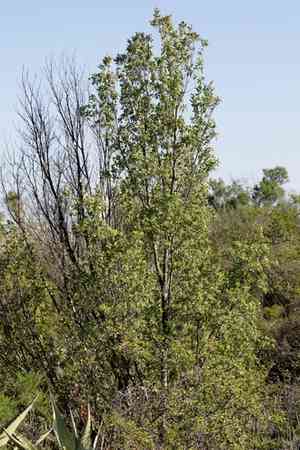
Barreta (Helietta parvifolia)
Also known as: Barreta, Texas Helicopter
The barreta tree, Helietta parvifolia, is a small tree native to the Lower Rio Grande Valley in Texas and Mexico. It is well-adapted to the region's harsh environment, exhibiting high tolerance to both drought and heat. Unique to this tree, its resin emits a strong, distinctive odor when crushed. These adaptations enable the barreta tree to thrive in its limited, arid range.
In This Article
Attributes of Barreta
Lifespan
Perennial
Plant Type
Tree, Shrub
Plant Height
6 m
Spread
3 m
Leaf Color
Green
Flower Size
1-2 centimeters
Flower Color
Yellow Green
Images of Barreta
Quickly Identify Barreta
1
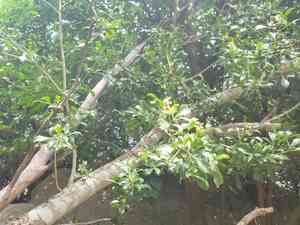
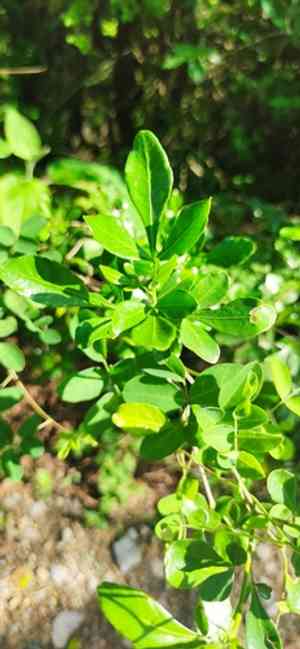
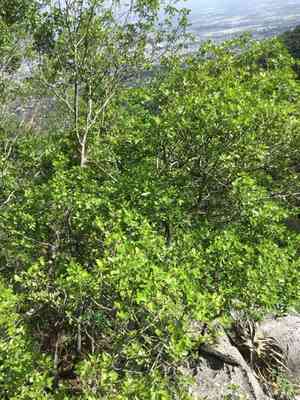
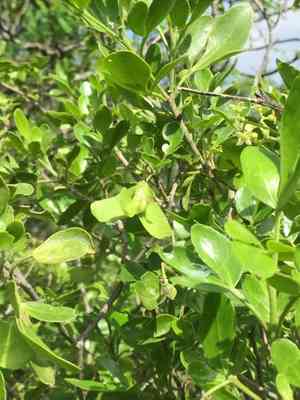
Helietta parvifolia can be identified by its small, glossy, and aromatic leaves. The flowers are typically yellowish-green and clustered in small groups. Additionally, the plant often has a distinctive twisting or \'helicopter\' shape to its branches.
Scientific Classification of Barreta
Phylum
Vascular plants
Class
Dicotyledons
Order
Sapindales
Family
Rue
Genus
barettas
Species
Barreta
Planting and Growing of Barreta
Care Difficulty
Easy
Watering Schedule
Every 2 days
Sunlight Requirements
Full sun
Sunshine Duration
4-8 hours
Ideal Temperature
68-86℉
Soil Type
Potting Mix, Peat Mix
Soil pH
6.5-7.5
Fertilizer Type
Balanced
Pruning Season
Spring, Summer
Pruning Area
Branches, Leaves
Pruning Frequency
2 times a year
Repotting Season
Spring
Pot Type
Plastic, Ceramic
 How to Water Barreta?
For Helietta parvifolia, the key is to saturate the soil thoroughly but ensure that excess water drains away to prevent root rot. The target is 500ml per session, with careful attention to allow for drainage, mimicking the plant's native semi-arid environment.
What are the symptoms of an underwatered Barreta?
›
What should I do if my Barreta is not getting enough water?
›
What are the symptoms of an overwatered Barreta?
›
How to save an overwatered Barreta?
›
 What Are the Sunlight Requirements for Barreta?
Helietta parvifolia prefers a balance of full sun to partial sun conditions. This range ensures the plant receives sufficient energy for growth and maintains healthy, vibrant foliage, contributing to its overall attractiveness and vitality.
More About Sunlight Requirements Techniques→
What is the optimal sunlight for Helietta parvifolia?
›
How can I ensure Helietta parvifolia gets ideal light?
›
What are the benefits of ideal lighting for Helietta parvifolia?
›
 What Is the Ideal Temperature Range for Barreta?
Helietta parvifolia thrives best in environments where the temperature ranges between 68°F and 86°F. These conditions are optimal for the plant's physiological processes, including photosynthesis, respiration, and nutrient uptake. By maintaining this temperature range, the plant can grow vigorously and produce healthy foliage.
 What Soil is Best for Barreta?
Helietta parvifolia thrives in well-drained soil, which prevents water-logging and root rot. This condition ensures that the roots have access to essential oxygen and nutrients, promoting healthy growth. Soil enriched with organic matter supports the plant's nutritional uptake, enhancing its vigor and resistance to pests. Regularly adding compost ensures a balanced supply of macro and micronutrients, vital for its lush growth. The soil should retain enough moisture to sustain the plant between waterings without becoming overly saturated. This balance ensures sustained hydration without the detrimental effects of excessive sogginess.
 How to Fertilize Barreta?
For Helietta parvifolia, a balanced amount of fertilizer ensures healthy growth. A precise dosage of liquid fertilizer should range from 100-150 ml per month, applied across several watering sessions. For slow-release fertilizers, use approximately 30 grams each time, ensuring an even distribution around the root area. This will provide a steady supply of nutrients, promoting vibrant foliage and robust root development.
 How to Prune Barreta?
Start by examining the plant for any branches that are dead, diseased, or damaged. These should be pruned first to maintain the health of the plant. After removing the unhealthy branches, focus on shaping the canopy for aesthetics and balance. Thin out crowded branches to improve sunlight penetration and air circulation. When pruning, make clean cuts at a slight angle just above a leaf node or bud. This encourages new growth and reduces the risk of water accumulation and disease.
More About Pruning Techniques→
 How to Propagate Barreta plant?
1
Soak the seeds in warm water overnight to soften the seed coat. This aids in faster germination. Use a seed tray filled with a well-draining potting mix and plant the seeds approximately 1/4 inch deep.
2
Select healthy, non-flowering stems of about 4-6 inches long. Using sterile pruning shears, make a cut just below a node. Remove leaves from the lower half and dip the cut end in rooting hormone before planting in a moist potting mix.
3
Water the seed tray or pot with cuttings thoroughly. Cover with a plastic dome or clear plastic bag to maintain humidity. Ensure there are small openings for air circulation to prevent mold growth.
 How to Repot Barreta plant?
1
Helietta parvifolia signals its need for repotting when roots start to circle the pot or grow out through drainage holes. The best time to repot is during its active growth phase in spring or summer, ensuring minimal stress to the plant.
2
Select a pot that is 1-2 inches larger in diameter than the current one. It should have ample drainage holes to help prevent waterlogging. A slightly larger pot gives roots room to grow, promoting healthier plant development and preventing root-bound stress.
3
Choose a well-draining soil mix with added perlite or sand to enhance aeration. This type of soil helps prevent root rot by ensuring excess water can drain away easily, keeping the roots healthy and well-oxygenated.



