How to Prune red christmas?
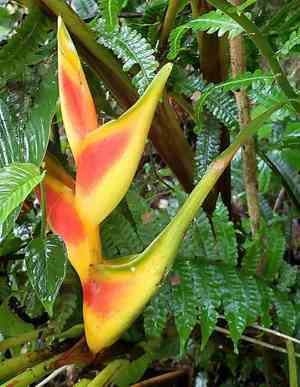
Red christmas is recognized for its vivid bracts and impressive look. Trimming is most effective in late winter or early spring. Eliminate any deceased or injured stems to stimulate fresh development and preserve the plant's well-being. Reducing dense stems enhances air movement, lowering the chance of illness. Consistent pruning stops excessive growth and encourages more abundant blooms. Always employ sanitized, keen implements to prevent contamination. This method not only boosts visual appeal but also aids the plant's strong development and general vigor.
What Are the Benefits of Pruning Red Christmas?
What Are the Benefits of Pruning Red Christmas?
Red christmas pruning encourages robust development by eliminating dead or damaged foliage, assists in maintaining its form and dimensions, promotes abundant blooming, and lessens the threat of pests and illnesses. Regular trimming improves overall plant vitality and visual appeal.
What Is the Best Time for Pruning Red Christmas?
What Is the Best Time for Pruning Red Christmas?
Trimming red christmas during early spring or late winter aligns with the plant's developmental cycle, as these periods precede its active growth phase. Pruning at these times fosters vigorous growth, allowing the plant to quickly mend and direct energy into producing healthy foliage and flowers. Furthermore, pruning before the flowering season ensures the plant will have maximized blooming potential, enhancing its decorative value. These seasons also decrease the risk of disease and pest infestation, as the plant's health is at its peak and can more effectively recover from pruning.
What Tools Do I Need to Prune Red Christmas?
Bypass Pruners
Ideal for making clean cuts on stems and leaves, crucial for red christmas as precision is needed to maintain its shape and encourage healthy growth. Bypass pruners are especially effective for green, living plant material.
Loppers
Useful for cutting thicker stems that may be present in mature red christmas plants. The extended handles provide additional leverage, ensuring clean cuts without harming the plant.
Pruning Saw
Perfect for removing any exceptionally thick or older stems that cannot be managed with loppers. A pruning saw ensures clean cuts, reducing the risk of damage or disease.
Hand Pruning Shears
Smaller than bypass pruners, these are excellent for detailed pruning tasks where precision is vital, such as trimming off dead or diseased leaves.
Sanitizing Solution
Essential for keeping all pruning tools clean and sterile, preventing the transfer of diseases from one part of red christmas to another or to different plants in the garden.
How to Prune Red Christmas
Assess
Examine red christmas for any diseased or withered leaves that require trimming. Pay close attention to the plant's overall health.
Sanitize
Use sterilized pruning shears or scissors to prevent the spread of diseases. Clean tools with an alcohol solution before beginning.
Remove diseased leaves
Trim away any leaves showing signs of disease. Cut close to the base of the affected leaf, making sure to discard the removed parts far away from red christmas to prevent contamination.
Cut with care
Carefully snip off withered leaves at their base, ensuring a clean cut to minimize stress on the plant. Avoid damaging healthy stems and foliage.
Dispose and Clean
Properly dispose of all removed leaves and sanitize tools after pruning to maintain plant health and hygiene.
Common Pruning Mistakes with Red Christmas
Over-pruning
Removing too many leaves and stems can stress red christmas, deplete its energy reserves, and potentially slow down growth and flowering.
Improper cutting technique
Using dull tools or making ragged cuts can damage the plant tissue and create entry points for disease.
Pruning at the wrong time
Although the best season is mentioned elsewhere, timing individual pruning sessions can be critical. Pruning during active growth can lead to unnecessary stress on red christmas.
Ignoring dead or diseased parts
Failing to remove dead or diseased leaves and stems can lead to the spread of pathogens and pests.
Not sterilizing tools
Using unsterilized tools between cuts or plants can introduce diseases to red christmas.
Common Pruning Tips for Red Christmas
Use sharp, sterilized tools
Ensure that your pruning shears or scissors are clean and sharp to make precise cuts and reduce the risk of disease.
Remove dead or diseased parts first
Start by cutting away any dead or diseased leaves and stems to prevent the spread of pathogens.
Cut at an angle
Make cuts at a slight angle to help water run off and prevent moisture from collecting on the cuts, which can lead to rot.
Limit the extent of pruning
Avoid removing more than one-third of the plant at a time to minimize stress on red christmas and support healthy growth and flowering.
Focus on thinning, not shearing
Thin out any overcrowded areas rather than shearing the plant all over; this allows for better air circulation and light penetration.



