How to Prune Hairy sunflower?
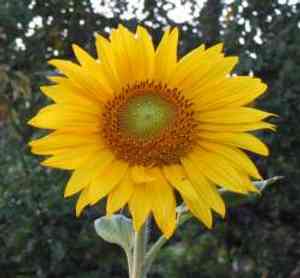
This enduring wild bloom, recognized by its hirsute leaves and stalks crowned with vibrant yellow blossoms, flourishes in adequately drained ground. For hairy sunflower, trimming ought to concentrate on removing faded flowers to foster subsequent blooming and reducing the plant after flowering to sculpt and control its dimensions. The most effective pruning takes place in spring to stimulate development, in summer to preserve plant vigor, and in autumn to ready it for its dormant phase. Pruning not only facilitates a prolonged period of flowering but also improves air movement, thereby lowering the potential for illness.
Advantages of Trimming Hairy Sunflower
Advantages of Trimming Hairy Sunflower
Trimming hairy sunflower promotes more abundant flowering, stimulates vigorous development, and maintains its desired form, ensuring an appealing look and robust plant health.
Optimal Time for Trimming Hairy Sunflower
Optimal Time for Trimming Hairy Sunflower
Trimming hairy sunflower in spring aligns with its initial growth phase after winter dormancy. This allows for the removal of dead or damaged parts from harsh winter conditions, fostering strong growth as temperatures rise. Late summer trimming should be minimal, focusing on removing spent flowers to encourage further blooms and prevent self-seeding, if desired. Autumn is suitable for shaping and managing plant size after the main flowering period. This aids in maintaining health and prepares hairy sunflower for winter. Trimming should be done carefully to avoid stimulating new growth that could be harmed by impending cold weather.
Tools Required for Trimming Hairy Sunflower
Hand Pruners
Ideal for cutting the relatively slender stems of hairy sunflower during routine maintenance. They offer precision and are easy to handle, perfect for removing dead or damaged stems without harming surrounding plant tissues.
Pruning Shears
These shears provide greater leverage and are excellent for shaping hairy sunflower or managing its size. Their sharp blades create clean cuts, promoting healthy regrowth and minimizing disease risk.
Gloves
Since hairy sunflower may have rough or hairy stems, wearing gloves can protect the gardener's hands from irritation. They also improve grip on the tools used for trimming.
Loppers
If hairy sunflower has matured and developed thicker stems, loppers can be used to remove older wood. Their long handles provide the necessary leverage for clean cuts without straining the gardener's hands.
How to Trim Hairy Sunflower
Sanitize Tools
Before beginning, sterilize pruning shears and scissors to prevent disease spread. Wipe blades with a cloth soaked in isopropyl alcohol.
Remove Diseased Foliage
Carefully remove any diseased leaves from hairy sunflower by cutting the leaf stem where it connects to the main stem. Dispose of these leaves to prevent contamination.
Trim Withered Leaves
Cut off withered leaves to encourage new growth. Snip each leaf at its base where it meets the stem or a main branch; ensure not to harm nearby healthy growth.
Deadhead Flowers
Remove spent blooms from hairy sunflower to promote additional flowering and prevent seed formation. Snip the flower stem below the withered flower, above the first set of healthy leaves.
Clean Up
Gather and discard all trimmings away from the garden area to deter pests and diseases. Clean and dry your tools before storage.
Common Trimming Errors with Hairy Sunflower
Excessive Trimming
Removing too much foliage from hairy sunflower can weaken the plant and reduce its ability to photosynthesize effectively, potentially leading to stunted growth and fewer blooms.
Incorrect Cutting Method
Using dull or unclean tools can damage the stems of hairy sunflower, resulting in jagged cuts that invite pests and diseases, instead of making clean cuts that heal quickly.
Ignoring Injured Areas
Failing to notice or properly treat injured areas can increase the risk of diseases in hairy sunflower. It's crucial to check for any accidental damage during the trimming process and address it.
Trimming Healthy Growth
Cutting away healthy stems or foliage without cause can hinder the overall vitality of hairy sunflower, affecting its natural shape and potential to produce flowers.
Disregarding Plant Structure
Trimming without understanding the growth habit of hairy sunflower may result in an unnatural appearance or damage to the plantâs structure, which can impact future growth.
General Trimming Advice for Hairy Sunflower
Sharp And Clean Tools
Always use sharp, clean pruning shears or scissors to make precise cuts on hairy sunflower, which helps prevent disease transmission and promotes faster wound healing.
Assess Plant Health
Examine the health of hairy sunflower before beginning to trim, targeting dead, diseased, or damaged stems for removal and leaving healthy growth intact.
Shape Maintenance
When shaping hairy sunflower, follow its natural growth pattern, removing only what is necessary to maintain the desired shape and size without compromising the plant's health.
Selective Thinning
Carefully thin out crowded areas to increase sunlight penetration and air circulation around hairy sunflower's stems, which can enhance its vigor and flowering capacity.
Prune For Regeneration
Cutting back old stems can stimulate new growth in hairy sunflower, which is especially beneficial after the plant has flowered, but ensure this is done without excessive removal of healthy tissue.



