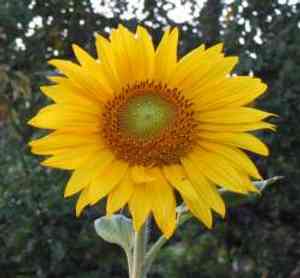
Hairy sunflower (Helianthus hirsutus)
Also known as: Oblong Sunflower , Stiff-hair sunflower
The hairy sunflower (Helianthus hirsutus) is a perennial flower that spreads through underground rhizomes. It thrives best in gardens with full sunlight and is known for attracting a variety of pollinators, including bees, wasps, flies, and butterflies.
In This Article
Attributes of Hairy sunflower
Lifespan
Perennial
Plant Type
Herb
Plant Height
91 cm to 1.5 m
Spread
30 cm to 45 cm
Leaf Color
Green
Flower Size
2.5 cm to 5 cm
Flower Color
Yellow Brown
Images of Hairy sunflower
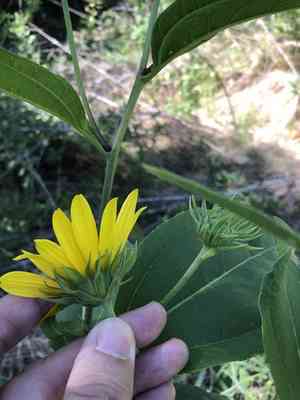
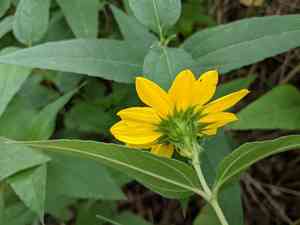
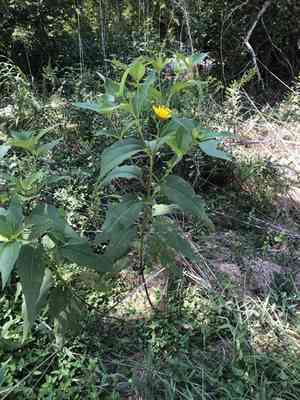
Quickly Identify Hairy sunflower
1
Helianthus hirsutus can be identified by its hairy stems and leaves, bright yellow flowers with a dark brown or black center, and its height, which can range from 1 to 2 meters.
Scientific Classification of Hairy sunflower
Phylum
Vascular plants
Class
Dicotyledons
Order
Asterales
Family
Daisy
Genus
Sunflowers
Species
Hairy sunflower
Planting and Growing of Hairy sunflower
Care Difficulty
Easy
Watering Schedule
Every 4 days
Sunlight Requirements
Full sun
Sunshine Duration
4-6 hours
Ideal Temperature
65-77℉
Soil Type
Potting Mix, Peat Mix
Soil pH
6.5-7.5
Fertilizer Type
Balanced
Pruning Season
Spring, Summer
Pruning Area
Branches, Leaves
Pruning Frequency
2 times a year
Repotting Season
Spring
Pot Type
Plastic, Ceramic
 How to Water Hairy sunflower?
Helianthus hirsutus prefers well-drained soil, so each watering session should aim for the soil to be thoroughly moist but not soggy. Approximately 500 milliliters of water per session is ideal to ensure the moisture reaches the roots without waterlogging the soil, especially in warmer weather when evaporation is quicker.
What are the symptoms of an underwatered Hairy sunflower?
›
What should I do if my Hairy sunflower is not getting enough water?
›
What are the symptoms of an overwatered Hairy sunflower?
›
How to save an overwatered Hairy sunflower?
›
 What Are the Sunlight Requirements for Hairy sunflower?
Helianthus hirsutus thrives in full sun to partial sun environments. Ensuring it receives adequate light promotes strong and healthy growth, vibrant blooms, and enhances its natural pest resistance.
More About Sunlight Requirements Techniques→
What is the best location for Helianthus hirsutus?
›
How can I ensure it gets ideal light during cloudy days?
›
What are the benefits of proper light for Helianthus hirsutus?
›
 What Is the Ideal Temperature Range for Hairy sunflower?
The ideal temperature range for Helianthus hirsutus is between 65°F and 77°F. This range provides optimal conditions for growth, ensuring that the plant can effectively photosynthesize and maintain cellular processes without undue stress from temperature fluctuations. Temperatures within this range are most conducive to vigorous growth and flowering.
 What Soil is Best for Hairy sunflower?
Helianthus hirsutus thrives in well-drained soil, which prevents waterlogging and root rot. A well-drained soil ensures proper air circulation, allowing roots to breathe and absorb nutrients efficiently, significantly boosting the plant's overall health and vigor. This plant prefers a nutrient-rich soil enriched with organic matter like compost. Such soil offers an abundant supply of vital nutrients, which supports robust growth and flowering, leading to a vibrant display of blooms. Helianthus hirsutus enjoys soil that has a moderate ability to retain moisture. This balance prevents excessive dryness or wetness, maintaining optimal soil conditions that contribute to sustained growth and flower production.
 How to Fertilize Hairy sunflower?
Helianthus hirsutus requires a balanced amount of fertilizer to thrive. When applying liquid fertilizer, use a solution diluted to half its recommended strength to avoid any nutrient burn. For slow-release granules, a small handful spread evenly around the base of the plant every four months should suffice. Ensuring that the fertilizer does not touch the stem to prevent any burning is crucial.
 How to Prune Hairy sunflower?
Begin by identifying any overly long or unruly stems and trim them back to the nearest leaf node. This stimulates lateral growth and ensures the plant maintains a compact and manageable form. After pruning, apply a balanced fertilizer to support new growth and water the plant thoroughly. This helps the plant recover quickly and maintain its vitality throughout the growing season.
More About Pruning Techniques→
 How to Propagate Hairy sunflower plant?
1
Begin by filling seed trays with a seed-starting mix. Sow the Helianthus hirsutus seeds about 1/4 inch deep, lightly covering them with soil. Mist the surface to keep it moist, placing the trays in a warm, sunny location or under grow lights to germinate. Germination typically takes 7-14 days.
2
Choose healthy, non-flowering stems from the parent plant. Cut a 4-6 inch segment below a leaf node using sterilized pruners. Remove the lower leaves and dip the cut end in rooting hormone before planting it in a pot filled with a moistened mix of perlite and peat. Cover the pot with a plastic bag to retain humidity.
3
Dig up the mature Helianthus hirsutus plant from the ground. Gently separate its root clumps into sections, ensuring each has roots attached. Replant them into prepared soil, watering thoroughly. This is best done in early spring or late autumn when the plant is dormant to reduce transplant shock.
 How to Repot Hairy sunflower plant?
1
Helianthus hirsutus typically signals its need for repotting through stunted growth or roots emerging from drainage holes. The best time to repot is during the warmer months of spring and early summer when the plant is most vigorous, as this aids in quicker recovery.
2
Select a pot that is one size larger than the current one, ensuring it has ample drainage holes. A pot that's too large can retain excess moisture, leading to root rot, but a slightly bigger pot encourages healthy root expansion and prevents the plant from becoming root-bound again quickly.
3
Opt for a loamy, well-draining soil mix to prevent water from sitting around the plant's roots, which can lead to rot. A well-draining medium allows adequate airflow and moisture retention, essential for the health and vigor of Helianthus hirsutus.



