How to Prune Southeastern sneezeweed?
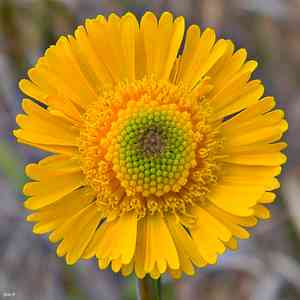
Helenium autumnale, recognized by its vibrant yellow blossoms, flourishes optimally with consistent trimming to encourage robust development and prolific flowering. The perfect periods for pruning are late spring and early summer, once the plant has completed its initial bloom. Removing faded flowers stimulates a subsequent flowering cycle and deters self-propagation, which can become intrusive. Gentle shaping during these times aids in preserving the plant's well-being and visual attractiveness. It is essential to ensure pruning implements are clean and sharp to prevent the transmission of pathogens.
What Are the Benefits of Pruning Southeastern Sneezeweed?
What Are the Benefits of Pruning Southeastern Sneezeweed?
Trimming southeastern sneezeweed encourages strong development and maintains its compact shape. Regular cutting back stimulates vigorous new growth and helps form the plant, improving its look and vitality.
What Is the Best Time for Pruning Southeastern Sneezeweed?
What Is the Best Time for Pruning Southeastern Sneezeweed?
Pruning southeastern sneezeweed during Spring and Summer aligns with the plant's active growth phase, allowing it to recover quickly and flourish. Spring pruning stimulates new growth and helps maintain plant shape and health. Summer pruning is beneficial for removing any weak or damaged stems and deadheading spent flowers, which promotes further blooming and prevents the plant from seeding excessively, potentially ensuring healthier, more controlled growth in the following seasons.
What Tools Do I Need to Prune Southeastern Sneezeweed?
Bypass Pruners
Perfect for making clean cuts on the green, living stems of southeastern sneezeweed. The bypass blades close smoothly, ensuring a cleaner, healthier cut that promotes better stem healing.
Garden Snips
Useful for precise trimming of southeastern sneezeweed's smaller or more delicate stems. These snips offer accuracy and prevent damage to nearby shoots, which is essential for maintaining the plant's appearance and health.
Pruning Shears
Suitable for thicker, woodier stems that may develop on older specimens of southeastern sneezeweed. Their stronger blades and larger handles provide the necessary leverage.
How to Prune Southeastern Sneezeweed
Identification
Identify and assess southeastern sneezeweed's diseased or withered leaves, and any diseased stems. Use a clean pair of gardening shears or secateurs, ensuring they are sterilized to prevent the spread of disease.
Removal
Carefully trim off the withered or diseased leaves from southeastern sneezeweed as close to the base of the leaf as possible, without damaging the main stem. Ensure that each cut is clean and precise to promote healing and prevent further damage.
Stems
Prune back diseased stems on southeastern sneezeweed to a healthy section, ideally just above a leaf node or bud. This encourages new, healthy growth and helps maintain plant vigor.
Cleanup
Dispose of all removed diseased material away from healthy plants to minimize the risk of disease spread. Do not compost diseased plant parts as this can contaminate your compost.
Sanitization
After pruning southeastern sneezeweed, sanitize all pruning tools with either rubbing alcohol or a 10% bleach solution to kill any remaining pathogens. This step is crucial to prevent the spread of disease to other plants.
Common Pruning Mistakes with Southeastern Sneezeweed
Overpruning
Removing too much foliage from southeastern sneezeweed can stress the plant, leading to reduced vigor and fewer blooms. It's crucial to prune no more than one-third of the plant at a time.
Improper cut locations
Cutting too far above or directly on a node can result in unsightly stubs or damage to the emerging shoots. Clean cuts close to the node ensure healthier regrowth.
Pruning healthy tissue
Unnecessarily cutting away healthy flowers and leaves can diminish the plant's photosynthetic capacity and overall health.
Ignoring dead material
Failing to remove dead or diseased tissue can hinder the growth of southeastern sneezeweed and increase the risk of disease spreading.
Common Pruning Tips for Southeastern Sneezeweed
Correct cut technique
Use sharp, clean shears to make precise cuts. This helps prevent damage to the tissues of southeastern sneezeweed, facilitating quicker healing.
Thin out crowded areas
Focus on thinning out areas where foliage is dense. This increases air circulation and light penetration, crucial for preventing disease and encouraging robust growth.
Encourage bushy growth
Prune back leggy stems to promote a bushier appearance and more vigorous growth. This technique helps southeastern sneezeweed maintain an attractive, compact form.
Regular maintenance
Keep an eye on southeastern sneezeweed and remove any dead or fading flowers regularly. This practice, known as deadheading, encourages new blooms and extends the flowering period.



