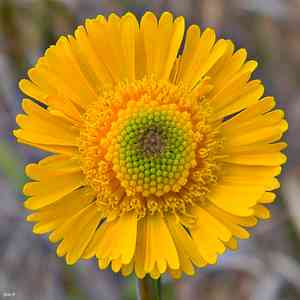
Southeastern sneezeweed (Helenium pinnatifidum)
Also known as: Gulf-Coast Sneezeweed
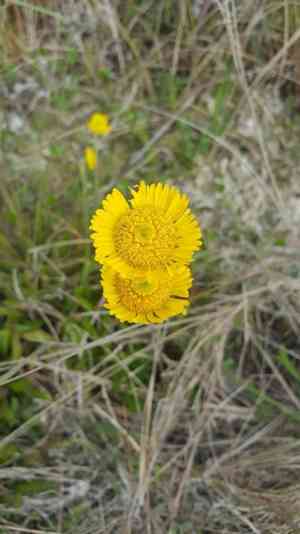
Pinnatifid leaves are characterized by their deep, feather-like divisions that don't reach the central vein (midrib). Typically, a plant with such leaves will produce a small number of hemispherical flower heads, usually between 1 to 3, each about 2 cm in diameter. These flower heads can contain over 800 tiny disc flowers, which transition from yellow at the base to yellow-brown at the tips, measuring 4 to 6 mm across. Additionally, there are 13-34 yellow ray flowers, each featuring three distinct lobes at their tips.
In This Article
Attributes of Southeastern sneezeweed
Lifespan
Perennial
Plant Type
Herb
Plant Height
30 cm to 91 cm
Spread
N/A - Herbaceous plant
Leaf Color
Green
Flower Size
2-5 cm
Flower Color
Yellow
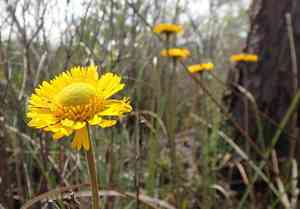
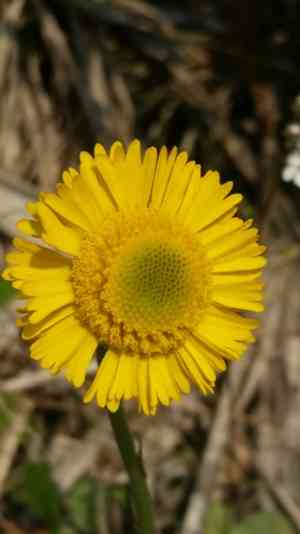
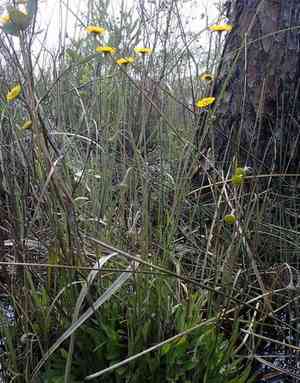
Images of Southeastern sneezeweed
Quickly Identify Southeastern sneezeweed
1
Look for pinnately divided leaves and bright yellow, daisy-like flowers, often found growing in wet, sandy soils. The plant typically blooms in late summer or early fall.
Scientific Classification of Southeastern sneezeweed
Phylum
Vascular plants
Class
Dicotyledons
Order
Asterales
Family
Daisy
Genus
Sneezeweeds
Species
Southeastern sneezeweed
Planting and Growing of Southeastern sneezeweed
Care Difficulty
Easy
Watering Schedule
Every 4 days
Sunlight Requirements
Full sun
Sunshine Duration
6-10 hours
Ideal Temperature
65-75℉
Soil Type
Potting Mix, Peat Mix
Soil pH
6.5-7.5
Fertilizer Type
Balanced
Pruning Season
Spring, Summer
Pruning Area
Branches, Leaves
Pruning Frequency
2 times a year
Repotting Season
Spring
Pot Type
Plastic, Ceramic
 How to Water Southeastern sneezeweed?
Helenium pinnatifidum prefers a moderate watering routine. Aim to provide 200 milliliters of water per session, enough to thoroughly moisten the soil without causing waterlogging. Ensure the water penetrates deep into the root zone, allowing the topsoil to slightly dry out between sessions, mimicking its natural environmental conditions.
What are the symptoms of an underwatered Southeastern sneezeweed?
›
What should I do if my Southeastern sneezeweed is not getting enough water?
›
What are the symptoms of an overwatered Southeastern sneezeweed?
›
How to save an overwatered Southeastern sneezeweed?
›
 What Are the Sunlight Requirements for Southeastern sneezeweed?
Helenium pinnatifidum thrives best in full sun to partial sun conditions, benefiting from daily exposure to sunlight. This range ensures robust growth, vibrant flowers, and a strong root system, enhancing the plant's health and aesthetic value.
Finding the Ideal Spot
›
Using Light Meters
›
Effect of Ideal Lighting
›
 What Is the Ideal Temperature Range for Southeastern sneezeweed?
The ideal temperature range for growing Helenium pinnatifidum is between 65°F and 75°F. This range ensures optimal photosynthesis and growth, helping the plant maintain its vigor and produce healthy blooms.
 What Soil is Best for Southeastern sneezeweed?
Helenium pinnatifidum thrives in well-draining soils, which prevent root rot caused by waterlogged conditions. Ensuring good drainage fosters healthy root development and plant vigor. A nutrient-rich soil provides essential minerals for the growth of Helenium pinnatifidum, supporting vibrant flower production and robust plant health. Regularly amending soil with organic matter can enhance this capacity. This plant prefers a loose, aerated soil texture, which allows roots to expand and absorb nutrients effectively. Maintaining the right texture aids in water retention while promoting healthy respiration.
 How to Fertilize Southeastern sneezeweed?
For Helenium pinnatifidum, it's crucial to maintain moderate nutrient levels. Use a balanced liquid fertilizer diluted to half strength, approximately 10-20 ml per liter of water for liquid fertilizers. For slow-release granules, a small handful (about 20-40 grams) per plant around the base should suffice.
 How to Prune Southeastern sneezeweed?
Begin pruning your Helenium pinnatifidum by inspecting it for dead or damaged growth. Use sharp, clean shears to cut these parts back to healthy wood. Trim any stems that are crowding the center to improve air circulation and reduce disease risk. Also, deadhead spent flowers to encourage a fresh bloom. To encourage bushier growth, cut back the stems by one-third after the first bloom cycle. This practice redirects the plant's energy into producing new stems and flowers. Make angled cuts just above a leaf node to prevent water from pooling on the cut surface.
More About Pruning Techniques→
 How to Propagate Southeastern sneezeweed plant?
1
Collect seeds from mature plants during late summer or autumn. Clean them gently and dry them to prevent mold. Store in a cool, dry location until you are ready to plant them in early spring.
2
In spring, dig up the entire plant carefully using a spade or garden fork. Gently separate the clumps, ensuring each division has roots attached. This method helps rejuvenate the plant and stimulates new growth.
3
In early spring, sow seeds in a seed tray filled with potting mix. Cover them lightly with soil and provide consistent moisture. Place the tray in a well-lit area, ensuring it stays warm to facilitate germination.
 How to Repot Southeastern sneezeweed plant?
1
Helenium pinnatifidum requires repotting when you notice roots creeping out of drainage holes, indicating root-bound conditions. Significant soil degradation and poor moisture retention are also signs. Observing such symptoms in late spring or during summer peak growth ensures minimal stress.
2
Choose a pot slightly larger than the current one, with adequate drainage holes. This prevents waterlogging and encourages healthy root spread. Opt for materials like terracotta, which aid breathability, ensuring excess moisture can evaporate, which benefits root health significantly.
3
Helenium pinnatifidum thrives in well-draining sandy loam soil enriched with organic compost. This ensures roots receive ample aeration while retaining necessary nutrients and moisture. The compost enrichment supports sustained growth and bloom, maintaining overall plant vigor.
Learn More About Southeastern sneezeweed Diseases
Anthracnose
Bacterial Leaf Spot
Bacterial Soft Rot
Bacterial Wilt
Black Spot
Chemical Injury
Crown Gall
Cyst Nematode
Damping-off
Downy Mildew
Drought Stress
Fusarium Wilt
Gray Mold
Leaf Curl
Leaf Spot
Mosaic
Nutrient Deficiency
Nutrient Toxicity
Powdery Mildew
Root Rot
Root-knot Nematode
Rusts
Sooty Mold
Spider Mites
Temperature Stress
Thrips Damage
White Mold



