How to Prune Pretty sneezeweed?
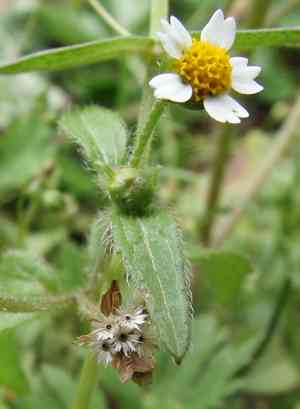
Helenium autumnale, known for its vivid, daisy-like flowers and strong development, thrives with consistent trimming. The best periods for pruning are in late winter or early spring, right before fresh shoots appear. Eliminate any deceased or compromised stalks to preserve the plant's well-being and stimulate abundant flowering. Trimming additionally fosters a denser, more contained form, averting elongated stems. Consistent removal of spent blossoms during the growing period will prolong the flowering duration. These methods guarantee the plant's vigor and visual attractiveness.
What Are the Benefits of Pruning Pretty Sneezeweed?
What Are the Benefits of Pruning Pretty Sneezeweed?
Pretty sneezeweed pruning encourages robust development and maintains its form. It fosters a strong framework, leading to more vibrant blooms and reduced vulnerability to pests and illnesses.
What Is the Best Time for Pruning Pretty Sneezeweed?
What Is the Best Time for Pruning Pretty Sneezeweed?
Trimming pretty sneezeweed in early spring or late winter is recommended as these periods coincide with the plant's inactive phase. During dormancy, pruning lessens stress and promotes fresh, healthy growth once the active season resumes. Furthermore, cutting back in these seasons helps manage size and shape without disrupting the flowering cycle, ensuring pretty sneezeweed produces abundant and vivid flowers during its blooming period.
What Tools Do I Need to Prune Pretty Sneezeweed?
Hand Pruners
Hand pruners are crucial for trimming small branches and removing spent flowers to encourage new blooms. They offer precision and are easy to operate.
Bypass Pruners
Bypass pruners are preferred for clean cuts on live branches. They help prevent damage to plant tissues, which can ward off diseases.
Pruning Shears
Pruning shears are useful for more extensive pruning tasks, such as cutting back the plant in late autumn or winter. They can handle thicker stems and provide a clean cut.
Pruning Knife
A pruning knife is convenient for detailed trimming and making precise cuts. It ensures accuracy when working on new shoots and delicate stems.
How to Prune Pretty Sneezeweed
Inspect
Periodically examine pretty sneezeweed for any indications of diseased or withered foliage. Focus on areas where leaves show discoloration, spots, or general decline.
Clean tools
Ensure your pruning shears or scissors are clean and sanitized before trimming any parts of pretty sneezeweed. This prevents the spread of illness.
Remove diseased leaves
Carefully remove any diseased leaves by cutting them off at the point where they connect to the stem. Dispose of these leaves away from the plant area to avoid contamination.
Trim withered leaves
Trim withered leaves by snipping them off close to the stem. Ensure you cut living tissue to prevent further dieback. Monitor the plant regularly for new withered leaves and repeat pruning as necessary.
Dispose debris
Collect and dispose of trimmed leaves and other debris properly. Avoid composting diseased leaves to prevent the spread of pathogens.
Common Pruning Mistakes with Pretty Sneezeweed
Pruning too much
Excessive pruning can severely stress pretty sneezeweed, diminishing its capacity to produce flowers and potentially causing dieback.
Poor technique
Using dull or unsanitized tools can harm plant tissue, making pretty sneezeweed vulnerable to diseases.
Pruning at wrong time
Pruning at unsuitable times can disrupt pretty sneezeweed's natural growth cycle, impacting bloom production and plant vitality.
Improper cut placement
Making cuts too close to the main stem or leaving overly long stubs can impede proper healing and encourage disease.
Common Pruning Tips for Pretty Sneezeweed
Use sharp tools
Always use clean, sharp pruning shears to make precise cuts. This minimizes tissue damage and the risk of infections.
Cut above leaf nodes
When cutting back stems, aim to cut just above a leaf node. This encourages new growth at the site of the cut.
Thin out crowded growth
Remove any crowded or crossing branches to improve air circulation and light penetration, fostering a healthier plant structure.
Remove dead or diseased wood
Regularly remove any dead, damaged, or diseased stems to maintain plant health and prevent the spread of diseases.



