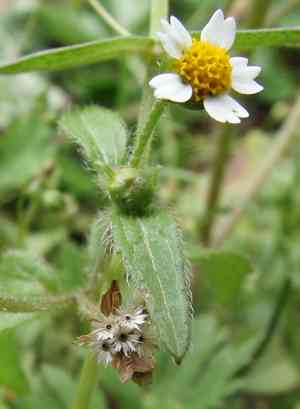
Pretty sneezeweed (Helenium elegans)
Also known as: Elegant Sneezeweed
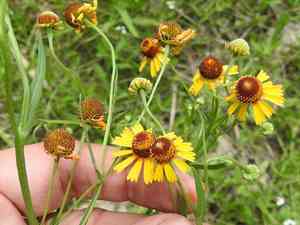
Helenium elegans, also known as pretty sneezeweed, is an annual herb that can grow up to 1.2 meters (about 4 feet) tall. A single plant is capable of producing over 200 small flower heads arranged in branching clusters. Each flower head is almost spherical and densely packed with up to 700 disc florets, which are yellow at the base and brown at the tips.
In This Article
Attributes of Pretty sneezeweed
Lifespan
Perennial
Plant Type
Herb
Plant Height
3 to 4 feet (90 to 120 cm)
Spread
1 to 2 feet (30 to 60 cm)
Leaf Color
Green
Flower Size
2 to 3 inches (5 to 7.5 cm)
Flower Color
Yellow, Orange, Red
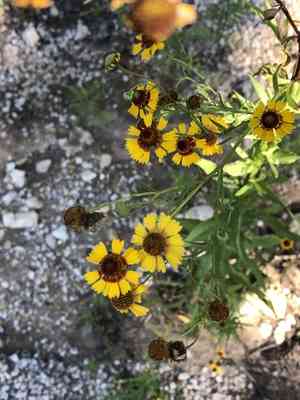
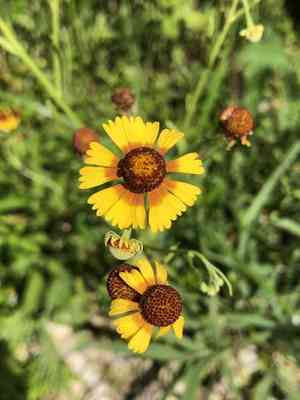
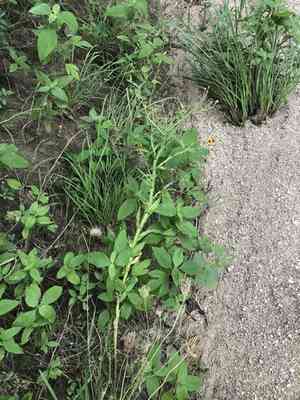
Images of Pretty sneezeweed
Quickly Identify Pretty sneezeweed
1
To identify Helenium elegans, look for its tall stems that can reach up to 3 to 4 feet, distinctive three-lobed leaves, and bright yellow to orange-red flowers with a prominent central disc. The plant\'s stems are usually slightly hairy.
Scientific Classification of Pretty sneezeweed
Phylum
Vascular plants
Class
Dicotyledons
Order
Asterales
Family
Daisy
Genus
Sneezeweeds
Species
Pretty sneezeweed
Planting and Growing of Pretty sneezeweed
Care Difficulty
Easy
Watering Schedule
Every 3 days
Sunlight Requirements
Full sun
Sunshine Duration
6-10 hours
Ideal Temperature
65-75℉
Soil Type
Potting Mix, Peat Mix
Soil pH
6.5-7.5
Fertilizer Type
Balanced
Pruning Season
Spring, Summer
Pruning Area
Branches, Leaves
Pruning Frequency
2 times a year
Repotting Season
Spring
Pot Type
Plastic, Ceramic
 How to Water Pretty sneezeweed?
Helenium elegans prefers to be watered thoroughly until the soil is evenly moist but not soggy. This means you should water it till you see a small amount draining out from the bottom of the pot, ensuring the roots have access to the moisture they need without sitting in water.
What are the symptoms of an underwatered Pretty sneezeweed?
›
What should I do if my Pretty sneezeweed is not getting enough water?
›
What are the symptoms of an overwatered Pretty sneezeweed?
›
How to save an overwatered Pretty sneezeweed?
›
 What Are the Sunlight Requirements for Pretty sneezeweed?
Helenium elegans prefers full to partial sun, benefiting from healthier growth and more vibrant blooms under these conditions.
How much sunlight does Helenium elegans need?
›
What solutions can help provide ideal lighting?
›
What are the benefits of optimal lighting?
›
 What Is the Ideal Temperature Range for Pretty sneezeweed?
The ideal temperature range for Helenium elegans is between 65°F and 75°F. This range promotes optimal growth and flowering, ensuring the plant performs well. Maintaining these temperatures can help enhance the plant’s aesthetics and longevity.
 What Soil is Best for Pretty sneezeweed?
Helenium elegans thrives best in well-drained soil as it prevents waterlogging, allowing roots to breathe and grow healthily. Ensuring proper drainage is essential to avoid root rot and promote vibrant blooms. This plant prefers nutrient-rich soil which supplies essential minerals that contribute to robust growth and vibrant flowering. Using organic matter or fertilizer can enhance the soil's fertility. While Helenium elegans can tolerate some dryness, it prefers moderately moist soil to maintain lush foliage and continuous blooming. Ensure consistent watering without over-saturation.
 How to Fertilize Pretty sneezeweed?
Helenium elegans, known for its striking blooms, requires a balanced approach to fertilization. For optimal growth, use a balanced liquid fertilizer diluted to half its strength, applying approximately 30-50 ml per plant during the growing season. When using slow-release granules, aim for around 20 grams per plant, ensuring even distribution around the root zone.
 How to Prune Pretty sneezeweed?
Begin by deadheading spent blooms to encourage continuous flowering. Use sharp scissors to cut the flower stem down to the nearest set of healthy leaves without damaging surrounding stems or foliage. If your Helenium elegans becomes too tall or leggy, trim back up to a third of the length. This will not only maintain an appealing shape but also stimulate bushier, more prolific growth. As you approach the end of autumn, cut back the entire plant to about 6 inches above the ground. This prepares the plant for dormancy, reducing stress in winter and setting it up for a strong comeback in spring.
More About Pruning Techniques→
 How to Propagate Pretty sneezeweed plant?
1
Begin by filling your seed tray with a high-quality, well-draining seed-starting mix. Evenly distribute the Helenium elegans seeds over the surface, lightly cover with soil, and water gently to encourage germination.
2
To propagate via division, carefully lift the plant from the soil during early spring when it's still dormant. Use a sharp knife to divide the root ball into sections, ensuring each has several shoots and sufficient roots. Replant the sections in their new locations promptly.
3
Once seedlings have developed several pairs of true leaves, they can be transplanted to larger pots or directly into the garden. Ensure they have adequate space and sunlight to thrive. Handle seedlings gently to avoid stress or damage.
 How to Repot Pretty sneezeweed plant?
1
Look out for signs such as roots growing out of the drainage holes, decreased growth, or the plant becoming top-heavy. These are all indicators that Helenium elegans is in need of a new pot. Ideally, repotting should be done in early spring or autumn when plant growth is naturally slow, allowing the plant to establish better in its new environment.
2
Select a pot that is one to two inches larger in diameter than the current one to allow for root expansion. The pot should have adequate drainage holes; this helps in preventing waterlogging, which can cause root rot, ensuring the plant's roots have access to the air and remain healthy.
3
Opt for a well-draining loamy soil, rich in organic matter. This type of soil provides the necessary nutrients while allowing excess water to escape, reducing the risk of waterlogged roots. Additionally, the organic matter keeps the plant nourished and promotes healthy growth.
Toxicity
Ingestion, Contact
WARNING
The judgment on toxicity and danger is for reference only. We DO NOT GUARANTEE any accuracy of such judgment. Therefore, you SHALL NOT rely on such judgment. It is IMPORTANT TO SEEK PROFESSIONAL ADVICE in advance when necessary.
Learn More About Pretty sneezeweed Diseases
Anthracnose
Bacterial Leaf Spot
Bacterial Wilt
Crown Gall
Cyst Nematode
Damping-off
Downy Mildew
Drought Stress
Fusarium Wilt
Gray Mold
Leaf Spot
Mosaic
Nutrient Deficiency
Nutrient Toxicity
Powdery Mildew
Root Rot
Root-knot Nematode
Rusts
Sooty Mold
Spider Mites
Temperature Stress
Thrips Damage
White Mold



