How to Prune Reverchon's false pennyroyal?
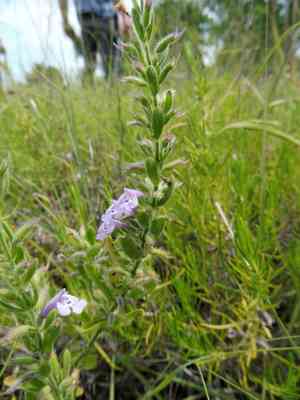
Reverchon's false pennyroyal is a compact herbaceous perennial characterized by fragrant leaves and small clusters of purple blossoms. Essential trimming methods for reverchon's false pennyroyal include excising dead or compromised stalks and faded blooms to stimulate new development and preserve its form. The most suitable periods for pruning are early spring and late winter, prior to the emergence of new shoots. Pruning fosters denser, more vigorous specimens and can boost floral production. Consistent trimming also aids in preventing an elongated, sparse look, ensuring a neater and more vibrant aesthetic.
What Are the Benefits of Pruning Reverchon's False Pennyroyal?
What Are the Benefits of Pruning Reverchon's False Pennyroyal?
Pruning reverchon's false pennyroyal encourages strong development and helps keep its form. It fosters a denser plant structure, lowers disease risk, and improves its visual appeal. Regular pruning ensures reverchon's false pennyroyal flourishes and stays healthy.
What Is the Best Time for Pruning Reverchon's False Pennyroyal?
What Is the Best Time for Pruning Reverchon's False Pennyroyal?
Trimming reverchon's false pennyroyal in late winter or early spring is ideal as it coincides with the plant's dormant phase. During this period, reverchon's false pennyroyal is not actively growing, which minimizes stress and prevents potential harm. Additionally, pruning before new growth starts allows gardeners to shape the plant effectively without disrupting its flowering cycle. Pruning at these times also aids in removing any dead or diseased branches, promoting better health and vigorous new growth once the growing season commences.
What Tools Do I Need to Prune Reverchon's False Pennyroyal?
Bypass Pruners
Bypass pruners are perfect for precise cuts on small stems and branches of reverchon's false pennyroyal without crushing plant tissues, ensuring clean cuts that encourage healthy regrowth.
Hand Shears
Hand shears are useful for trimming and shaping reverchon's false pennyroyal, allowing for accurate and controlled cuts necessary for maintaining its compact, shrubby form.
Pruning Knife
A pruning knife can be helpful for more delicate tasks, such as precisely removing dead or diseased parts of reverchon's false pennyroyal, ensuring healthy tissues remain undamaged.
Long-handled Loppers
For harder-to-reach areas of reverchon's false pennyroyal that demand greater leverage, long-handled loppers are suitable, enabling clean cuts without excessive effort.
How to Prune Reverchon's False Pennyroyal
Inspect
Thoroughly examine reverchon's false pennyroyal for diseased or withered leaves. This step ensures identification of all parts requiring pruning.
Disinfect
Before cutting, sanitize your pruning shears with a solution of one part bleach to nine parts water to prevent disease spread.
Remove diseased leaves
Trim off any diseased leaves close to the base, ensuring cuts go through healthy tissue. Dispose of these leaves away from the plant to avoid contamination.
Remove withered leaves
Cut away withered leaves, making clean cuts near the stem. This helps the plant reallocate energy to healthier sections.
Dispose
Properly dispose of all pruned material. Either burn it or place it in a sealed bag to prevent any disease spread.
Common Pruning Mistakes with Reverchon's False Pennyroyal
Over-pruning
Removing too much foliage can weaken the plant, making it more vulnerable to disease or stress.
Improper technique
Using dull or dirty tools can cause jagged cuts, creating entry points for diseases and pests.
Pruning at the wrong time
Although timing is not elaborated here, pruning during a period when the plant is stressed or vulnerable can lead to poor recovery and reduced flowering.
Cutting too close to the stem
Removing branches too near the main stem can damage the plant's structure and vital tissues, hindering growth.
Neglecting deadheading
Failing to remove spent flowers can diminish the plant's vigor and blooming potential.
Common Pruning Tips for Reverchon's False Pennyroyal
Start with clean tools
Ensure pruning shears are sharp and sterilized to make clean cuts and minimize disease risk.
Focus on dead or diseased branches
Prioritize removing any dead, damaged, or diseased branches to promote overall plant health.
Make precise cuts
Cut just above a node or a healthy bud at a 45-degree angle to encourage new growth and prevent water from resting on the cut surface.
Thin out crowded areas
Remove branches that cross or overcrowd, improving air circulation and reducing the risk of mildew and pest infestations.
Practice consistent maintenance
Regular, light pruning helps maintain the plant's shape and encourages more robust growth and blooming.



