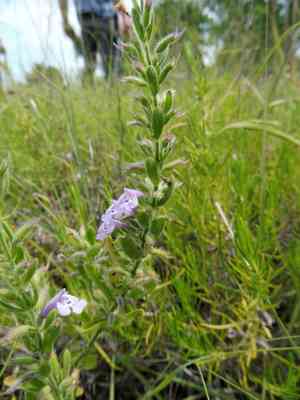
Reverchon's false pennyroyal (Hedeoma reverchonii)
Also known as: Reverchon’s false pennyroyal
Reverchon's false pennyroyal (Hedeoma reverchonii) is a perennial herb known for its needle-like, fine-textured leaves and clusters of delicate lavender to pink flowers. It flourishes in rocky limestone environments, preferring well-drained soils and demonstrating high drought tolerance. Its compact structure and aromatic foliage, which releases a minty scent when crushed, reflect its adaptation to arid habitats. This plant is commonly found in dry, open areas like prairies and rocky outcrops in Texas and northern Mexico.
In This Article
Attributes of Reverchon's false pennyroyal
Lifespan
Perennial
Plant Type
Herb
Plant Height
10-30 cm
Spread
Approximately 15-30 cm
Leaf Color
Green
Flower Size
Less than 1 cm
Flower Color
Lavender to pink
Images of Reverchon's false pennyroyal
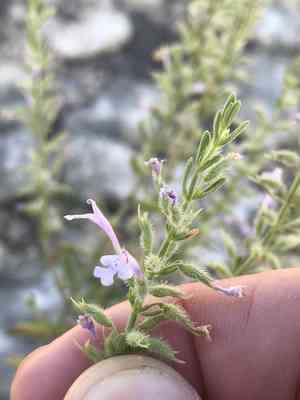
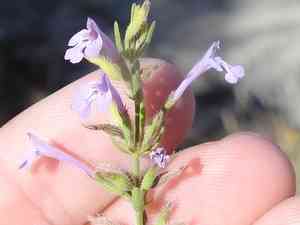
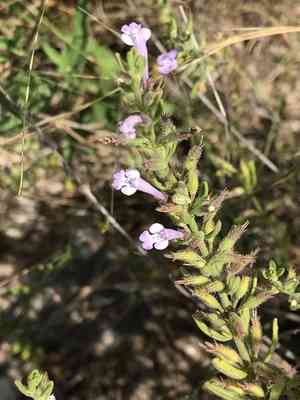
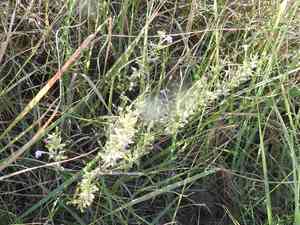
Quickly Identify Reverchon's false pennyroyal
1
Hedeoma reverchonii can be identified by its small, aromatic leaves and clusters of small, lavender to pink flowers. The plant has a square stem typical of mint family members.
Scientific Classification of Reverchon's false pennyroyal
Phylum
Vascular plants
Class
Dicotyledons
Order
Lamiales
Family
Mint
Genus
False pennyroyals
Species
Reverchon's false pennyroyal
Planting and Growing of Reverchon's false pennyroyal
Care Difficulty
Moderate
Watering Schedule
Every 2 days
Sunlight Requirements
Full sun
Sunshine Duration
6-8 hours
Ideal Temperature
65-75℉
Soil Type
Potting Mix, Peat Mix
Soil pH
6.5-7.5
Fertilizer Type
Balanced
Pruning Season
Spring, Summer
Pruning Area
Branches, Leaves
Pruning Frequency
Once a year
Repotting Season
Spring
Pot Type
Plastic, Ceramic
 How to Water Reverchon's false pennyroyal?
Hedeoma reverchonii should receive around 200 ml of water per session. Ensure the soil is moistened adequately but not waterlogged. Follow the soak-and-dry principle, where you allow the soil to dry out slightly between watering sessions.
What are the symptoms of an underwatered Reverchon's false pennyroyal?
›
What should I do if my Reverchon's false pennyroyal is not getting enough water?
›
What are the symptoms of an overwatered Reverchon's false pennyroyal?
›
How to save an overwatered Reverchon's false pennyroyal?
›
 What Are the Sunlight Requirements for Reverchon's false pennyroyal?
Hedeoma reverchonii thrives with full sun to partial sun exposure. The ideal light conditions help in ensuring vigorous growth and maintaining the aromatic quality of its leaves, integral for its use as an aromatic herb.
What is the best location for Hedeoma reverchonii?
›
How can I ensure sufficient sunlight indoors?
›
What are the benefits of ensuring ideal lighting?
›
 What Is the Ideal Temperature Range for Reverchon's false pennyroyal?
Hedeoma reverchonii thrives in an ideal temperature range between 65°F and 75°F. At this range, the plant is able to photosynthesize effectively, ensuring healthy growth. Maintaining this temperature range is crucial during the growing season to optimize the plant’s health and vigor.
 What Soil is Best for Reverchon's false pennyroyal?
Hedeoma reverchonii thrives in well-draining soil because it prevents root rot by allowing excess water to pass through, maintaining a healthy root system. This plant benefits from a nutrient-rich soil, as it supports robust growth and abundant foliage through an adequate supply of essential minerals. The soil should retain moderate moisture, which ensures the plant remains hydrated without becoming waterlogged, thus maintaining its delicate balance.
 How to Fertilize Reverchon's false pennyroyal?
Hedeoma reverchonii, a charming herb, requires balanced fertilization to thrive. When using liquid fertilizer, apply a solution diluted to half the strength recommended for general plants. For slow-release fertilizers, sprinkle a layer that matches the soil coverage area of the plant. This ensures the roots receive a steady nutrient supply without overwhelming the soil ecosystem.
 How to Prune Reverchon's false pennyroyal?
Start by sterilizing your pruning shears to avoid transmitting diseases. Identify the stems that need cutting – usually the tallest or those that look overcrowded. Make angular cuts just above a leaf node to encourage new growth and avoid leaving stubs. Remove any dead or yellowing leaves to allow the plant to focus energy on healthy parts. To achieve a bushy appearance, pinch back the tips of the Hedeoma reverchonii regularly during the growing seasons. This involves removing 1-2 inches of the youngest shoots. This practice stimulates branching and leads to a denser coverage, making the plant more robust and visually appealing. After the flowering cycle, trim back the spent blooms to keep the plant tidy and redirect its energy into producing more foliage rather than seed. This is best done immediately after flowers fade, preserving the plant's vitality and ensuring a vibrant display in the following seasons.
More About Pruning Techniques→
 How to Propagate Reverchon's false pennyroyal plant?
1
Gather seeds from mature Hedeoma reverchonii plants during their late blooming period. Ensure that the seeds are fully matured and dried for optimal germination potential.
2
Prepare a well-draining soil mix that combines peat, sand, and perlite. This mixture should provide adequate aeration and drainage to support healthy root development.
3
Carefully cut 4-6 inch sections from a healthy plant. Remove any lower leaves and dip the cut end into rooting hormone to increase the likelihood of successful root development.
 How to Repot Reverchon's false pennyroyal plant?
1
Repotting Hedeoma reverchonii should be considered when you observe the plant becoming root-bound, which means roots are growing out of the drainage holes or circling the pot tightly. This is a clear indication that the plant needs more room to grow and spread its roots. Another sign is poor water retention, where water quickly drains through the pot, indicating that the soil has become too compacted.
2
Choosing the right pot for Hedeoma reverchonii is crucial. Opt for a pot that's one size larger than the current one, ensuring it has adequate drainage holes to prevent root rot. The material should be breathable, like terracotta, which helps in moisture evaporation and soil aeration. This choice benefits the plant by offering a healthier root environment and reducing the risk of overwatering.
3
Select a well-draining sandy soil mix for repotting Hedeoma reverchonii. A mix containing a blend of regular potting soil and coarse sand or perlite is ideal. This type of soil mimics the plant's natural environment, allowing excess water to flow easily and preventing root rot. It ensures optimal growth by providing the necessary aeration and nutrient support.
Learn More About Reverchon's false pennyroyal Diseases
Anthracnose
Bacterial Leaf Spot
Bacterial Wilt
Chemical Injury
Damping-off
Downy Mildew
Drought Stress
Fusarium Wilt
Gray Mold
Leaf Curl
Leaf Spot
Mosaic
Nutrient Deficiency
Nutrient Toxicity
Powdery Mildew
Root Rot
Root-knot Nematode
Rusts
Sooty Mold
Spider Mites
Temperature Stress
Thrips Damage
White Mold



