How to Prune Ribbed false pennyroyal?
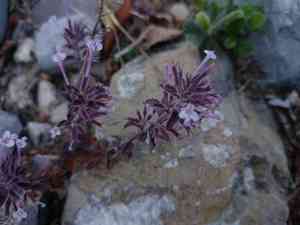
Plectranthus parviflorus is a dense, fragrant herb characterized by its unique ridged foliage. Trimming should occur in the initial part of spring or the latter part of winter to foster robust development and a fuller appearance. Remove any lifeless or compromised stalks and shape the plant to preserve its form and stimulate fresh sprouts. Consistent trimming aids in preventing sparse growth and sustains the plant's fragrant and therapeutic attributes. Utilize sanitized, keen implements to avert the spread of pathogens and consistently cut above a leaf joint to encourage new development.
What Are the Benefits of Pruning Ribbed False Pennyroyal?
What Are the Benefits of Pruning Ribbed False Pennyroyal?
Ribbed false pennyroyal thrives with trimming, promoting robust growth and maintaining its form. Pruning fosters healthy development, prevents density, enhances air circulation, and boosts resistance to pests and diseases. This practice ensures ribbed false pennyroyal remains attractive and flourishes in its setting.
What Is the Best Time for Pruning Ribbed False Pennyroyal?
What Is the Best Time for Pruning Ribbed False Pennyroyal?
Trimming ribbed false pennyroyal in late winter or early spring is advantageous as it aligns with the plant's dormant phase, minimizing stress and disease risk. Since ribbed false pennyroyal's growth cycle begins in spring, pruning before new growth ensures rapid healing, supporting strong health and encouraging vigorous new shoots. Additionally, pruning during these periods avoids disrupting the blooming season, which typically occurs later in spring or summer.
What Tools Do I Need to Prune Ribbed False Pennyroyal?
Bypass Pruners
Ideal for making precise cuts on living stems, enabling accurate trimming of small branches and stems of ribbed false pennyroyal.
Pruning Shears
Suitable for shaping and trimming due to ribbed false pennyroyal's compact, bushy nature. These are crucial for preserving the plant's appearance and vitality.
Pruning Knife
Useful for finer, detailed cuts needed to remove dead or diseased sections without harming healthy growth on ribbed false pennyroyal.
Small Hand Saw
For cutting through thicker branches that may become woody in older specimens of ribbed false pennyroyal. Ensures clean cuts without crushing plant tissue.
How to Prune Ribbed False Pennyroyal
Inspect
Carefully check ribbed false pennyroyal for any indications of diseased or wilted leaves. Ensure the plant is adequately hydrated before beginning the trimming process.
Disinfect tools
Before cutting, ensure your pruning tools are clean and sanitized to prevent the spread of pathogens.
Remove diseased leaves
Utilize sharp, clean shears to cut away any diseased foliage. Make the cut at the base of the affected leaf, ensuring complete removal from the plant.
Trim withered leaves
Similarly, snip off any withered leaves, making sure to cut back to where healthy tissue begins. This promotes new, vigorous growth.
Dispose debris
Gather and discard all removed leaves responsibly. Do not compost them to avoid re-infecting the soil or spreading disease.
Common Pruning Mistakes with Ribbed False Pennyroyal
Improper Technique
A frequent error is using dull or unsuitable tools, which can crush or tear stems instead of making clean cuts. This can lead to tissue damage and increased vulnerability to diseases.
Pruning Too Much
Excessive pruning or removing too much foliage can stress ribbed false pennyroyal, reducing its overall vigor and blooming potential. Removing more than one-third of the plant at once is generally too much.
Incorrect Cut Placement
Making cuts too close to a bud or node can harm these vital plant parts, while cuts made too far away can leave a stub that encourages disease and pest infestations.
Common Pruning Tips for Ribbed False Pennyroyal
Use Sharp, Clean Tools
Always use sharp and sterilized pruning shears for precise cuts. Clean tools minimize the risk of disease transmission between plants.
Make Clean Cuts
Aim for clean cuts at a 45-degree angle just above a leaf node or bud. This method encourages faster healing and strong growth from the node.
Prune Gradually
Instead of removing large sections at once, consider pruning in stages. This approach helps ribbed false pennyroyal adapt and maintain its vitality, ensuring continuous healthy growth.
Remove Dead or Diseased Parts First
Always begin by cutting away any dead, damaged, or diseased stems and leaves. This prevents the spread of diseases and pests, allowing the plant to allocate more energy to healthy growth.
Consider the Plant's Natural Shape
Maintain the natural form of ribbed false pennyroyal by making cuts that enhance its shape. Avoid indiscriminate hacking; instead, follow the plant's natural growth pattern to keep it looking neat and healthy.


