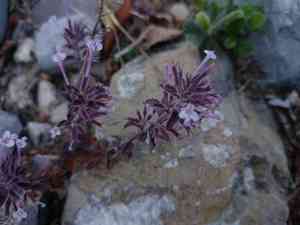
Ribbed false pennyroyal (Hedeoma costata)
Also known as: Ribbon Hedeoma, Striped False Pennyroyal
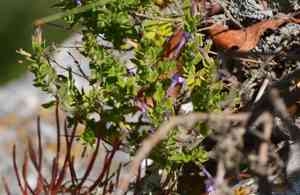
The ribbed false pennyroyal (Hedeoma costata) is a perennial herb known for its distinctive scalloped leaves and clusters of purple flowers, which bloom in pairs along the stem, creating a vivid contrast with its green foliage. This plant thrives in rocky terrains, showcasing a compact growth form that is well-suited to arid conditions. Its adaptations include deep roots that tap into underground water sources and a highly efficient water usage strategy, enabling it to endure and flourish in dry environments.
In This Article
Attributes of Ribbed false pennyroyal
Lifespan
Annual
Plant Type
Herb
Plant Height
10-30 cm (4-12 inches)
Spread
15-30 cm (6-12 inches)
Leaf Color
Green
Flower Size
5-10 mm
Flower Color
Purple
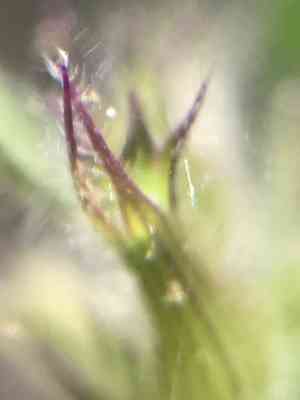
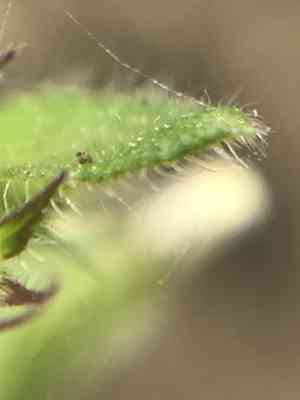
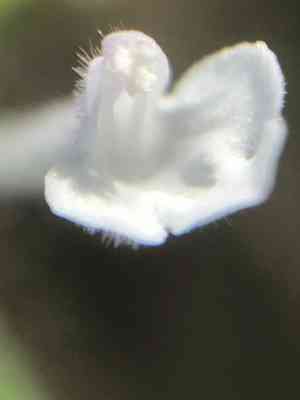
Images of Ribbed false pennyroyal
Quickly Identify Ribbed false pennyroyal
1
Hedeoma costata can be identified by its compact growth habit, lanceolate leaves with a minty scent when crushed, and small, bilateral purple flowers. The stems are often slightly ridged.
Scientific Classification of Ribbed false pennyroyal
Phylum
Vascular plants
Class
Dicotyledons
Order
Lamiales
Family
Mint
Genus
False pennyroyals
Species
Ribbed false pennyroyal
Planting and Growing of Ribbed false pennyroyal
Care Difficulty
Moderate
Watering Schedule
Every 2 days
Sunlight Requirements
Full sun
Sunshine Duration
4-8 hours
Ideal Temperature
68-77℉
Soil Type
Potting Mix, Peat Mix
Soil pH
6.5-7.5
Fertilizer Type
Balanced
Pruning Season
Spring, Summer
Pruning Area
Branches, Leaves
Pruning Frequency
2 times a year
Repotting Season
Spring
Pot Type
Plastic, Ceramic
 How to Water Ribbed false pennyroyal?
For Hedeoma costata, ensure you're providing around 150 ml of water per session. This amount allows the soil to absorb moisture without oversaturating, keeping the plant hydrated but not waterlogged. The goal is to maintain slightly moist soil without letting it dry out completely between waterings.
What are the symptoms of an underwatered Ribbed false pennyroyal?
›
What should I do if my Ribbed false pennyroyal is not getting enough water?
›
What are the symptoms of an overwatered Ribbed false pennyroyal?
›
How to save an overwatered Ribbed false pennyroyal?
›
 What Are the Sunlight Requirements for Ribbed false pennyroyal?
Hedeoma costata prefers a light range of full to partial sun, ideally at 6-8 hours of sunlight daily. This consistent light supports photosynthesis, ensuring healthy growth and resilience.
Optimal Light Exposure for Hedeoma costata
›
Ensuring Adequate Light for Hedeoma costata
›
Benefits of Proper Lighting for Hedeoma costata
›
 What Is the Ideal Temperature Range for Ribbed false pennyroyal?
The ideal temperature range for growing Hedeoma costata is between 68°F and 77°F. Within this range, the plant performs optimally, exhibiting vigorous growth and healthy foliage. Consistently maintaining this temperature range supports robust photosynthesis and metabolic function, ensuring the plant thrives.
 What Soil is Best for Ribbed false pennyroyal?
Hedeoma costata thrives in well-draining soil, which prevents waterlogging. This type of soil ensures that the roots receive adequate oxygen, promoting healthy growth and preventing root rot. Nutrient-rich soil is essential for vibrant growth. Providing a good mix of organic matter ensures this plant has access to necessary micronutrients, aiding in lush leaf production and strong stem development. The soil should retain enough moisture to support the plant, while also being loose and aerated to allow air circulation. This balance aids in both the hydration of the plant and the prevention of fungal diseases.
 How to Fertilize Ribbed false pennyroyal?
For Hedeoma costata, apply a balanced liquid fertilizer dilute solution of 10-15-10 or 20-20-20 during the growing season. Use around 1/4 teaspoon per gallon of water. For granular fertilizers, a slow-release formula can be applied at a rate of 1 tablespoon per square foot of soil in early spring.
 How to Prune Ribbed false pennyroyal?
Start by identifying any dead or leggy stems in the plant. These are usually discolored or overly long and sparse. Cutting these encourages new, healthier growth. Hedeoma costata benefits from being shaped. Trim the tops and sides lightly to encourage a bushier growth pattern, maintaining an even and tidy appearance. Make your cuts just above a node, where leaves emerge from the stem. This promotes new growth and ensures that energy is directed to where it's needed most.
More About Pruning Techniques→
 How to Propagate Ribbed false pennyroyal plant?
1
Start by filling seed trays with a well-draining mix. Gently press seeds into the mix and cover lightly. Water the seeds with a fine spray to avoid dislodging them. Maintain consistent moisture until germination.
2
Select healthy, non-flowering stems for cuttings. Cut about 4-6 inches below a node. Strip the leaves from the bottom half and dip in rooting hormone for better root development.
3
Insert treated cuttings into a prepared potting mix. Ensure at least one node is below the soil surface. Firm the soil around cuttings and water well to eliminate air pockets.
 How to Repot Ribbed false pennyroyal plant?
1
Hedeoma costata shows signs of needing repotting when its roots begin circling the pot's bottom or poking out through drainage holes. Growth stagnation or a noticeable decline in health can also indicate repotting time. Spring or early autumn provides optimal conditions, allowing the plant to settle into its new pot with minimal stress.
2
Select a pot slightly larger than the current one, with ample drainage holes. This ensures excess water can escape, preventing root rot. Terra cotta pots are ideal for Hedeoma costata, as they allow air exchange, assisting root health while their weight provides stability for growing plants.
3
Choose a soil mix incorporating sandy, well-draining components like perlite or coarse sand. This mimics the plant's natural environment, allowing for adequate drainage and preventing waterlogging. Such soil provides necessary oxygen for roots, promoting vigorous growth and health.


