How to Prune Island bristleweed?
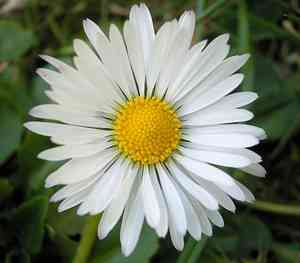
Island bristleweed exhibits unique bristles and flourishes in particular environments. The most effective time for trimming is in early spring, right before fresh shoots emerge. Methods involve excising deceased or compromised limbs, reducing crowded sections to improve airflow, and sculpting to preserve a dense structure. Early spring pruning stimulates robust development and blooming. Consistent maintenance reduces problems with pests and boosts the plant's general well-being. Established gardening methods emphasize these advantages for sustaining lively and thriving island bristleweed.
What Are the Benefits of Pruning Island Bristleweed?
What Are the Benefits of Pruning Island Bristleweed?
Island bristleweed benefits from trimming by promoting robust growth and maintaining its form. Pruning aids the plant in resisting pests and diseases, enhances air circulation, and fosters a healthier, more appealing look. Regular maintenance ensures the plant thrives and remains manageable.
What Is the Best Time for Pruning Island Bristleweed?
What Is the Best Time for Pruning Island Bristleweed?
Trimming island bristleweed in early spring is optimal as this period precedes the active growth phase, allowing the plant to recover and rejuvenate swiftly. Pruning just before new growth emerges helps shape the plant, encourages healthier development, and boosts flowering. Additionally, it minimizes disease risk, as wounds heal faster in the warmer, drier spring months.
What Tools Do I Need to Prune Island Bristleweed?
Hand Pruners
Perfect for making precise cuts on the smaller stems and branches typical of island bristleweed. Utilize bypass pruners for cleaner cuts that help prevent disease.
Lopping Shears
Designed to cut through thicker branches that hand pruners cannot manage. Their extended handles provide leverage to simplify cutting.
Pruning Saw
Essential for cutting through the tougher, older branches of island bristleweed. Ensure the saw is sharp and well-maintained for efficiency and plant vitality.
Gloves
Protect your hands from sharp branches and thorns while handling island bristleweed. Select gloves made of durable materials that offer both protection and dexterity.
How to Prune Island Bristleweed
Identify
Carefully examine island bristleweed to locate diseased leaves, withered leaves, dead branches, and diseased branches.
Prepare tools
Gather and sanitize pruning tools such as shears or loppers to prevent the spread of disease from infected plant parts.
Remove diseased leaves
Using sharp, clean pruning shears, trim away any diseased leaves close to the base without harming healthy tissue.
Remove dead branches
Cut off any dead branches back to the main stem or a healthy node to encourage rejuvenation and prevent pest infestations.
Remove withered leaves
Carefully prune withered leaves, making sure to snip them at their base while avoiding damage to adjacent healthy leaves and branches.
Common Pruning Mistakes with Island Bristleweed
Over-pruning
Excessive removal of stems and branches can shock island bristleweed, weakening the plant and reducing flowering output. Always err on the side of caution and remove less rather than more during each pruning session.
Improper cutting technique
Using dull or dirty tools can cause ragged cuts that invite disease. Clean, sharp tools make precise cuts that heal more quickly.
Pruning at the wrong spots
Cutting back the wrong branches or stems can hinder new growth. It's crucial to identify where the plant naturally branches and cut just above these points to encourage healthy development.
Removing too many flowers
Cutting off too many flower buds in an attempt to shape island bristleweed can result in a lack of blooms for the season. Be mindful to leave sufficient buds to ensure a vibrant display.
Common Pruning Tips for Island Bristleweed
Use the right tools
Invest in a pair of quality pruners or loppers that are kept sharp and clean. This ensures smooth cuts and reduces the risk of disease.
Assess plant health first
Before pruning, evaluate the overall health of island bristleweed. Remove dead, diseased, or damaged branches first to direct energy into healthy growth.
Focus on shaping
When pruning, aim to shape island bristleweed in a way that promotes good air circulation. This helps prevent fungal issues and keeps the plant looking aesthetically pleasing.
Prune gradually
Instead of a drastic prune, conduct light, frequent pruning sessions. This approach helps island bristleweed to adapt and recover more efficiently from the cuts.



