How to Prune Manyflower stickseed?
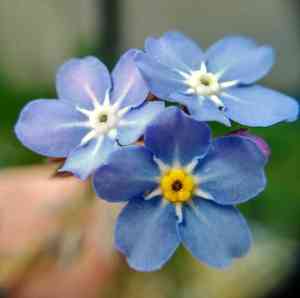
Manyflower stickseed, a perennial featuring clustered, blue, stick-seed flowers, flourishes with judicious trimming. Deadhead faded blooms to stimulate continuous flowering and control the plant's dimensions. The ideal time for pruning is in spring or early summer. Eliminate any deceased or ailing stalks and thin out the plant to enhance air movement. Pruning benefits manyflower stickseed by fostering more robust, energetic development and preserving an appealing form. Consistent trimming also deters prolific self-propagation, which can become intrusive.
What Are the Benefits of Pruning Manyflower Stickseed?
What Are the Benefits of Pruning Manyflower Stickseed?
Trimming manyflower stickseed promotes robust development and helps maintain its desired form. This vital practice ensures plant well-being by eliminating any dead or diseased branches, thereby enhancing air circulation and sun exposure, crucial for the vigorous growth of manyflower stickseed.
What Is the Best Time for Pruning Manyflower Stickseed?
What Is the Best Time for Pruning Manyflower Stickseed?
The optimal periods for trimming manyflower stickseed are late Spring and early Summer, aligning with the plant's active growth phase. Pruning at this time supports strong growth and helps direct manyflower stickseed's energy towards producing healthy foliage and blooms. Late Spring pruning is ideal as it stimulates new growth before the peak growing season. In early Summer, trimming can be used to shape the plant and manage any unwanted or excessive growth without hindering flower development. This timing prevents cutting off flower buds, which form after the pruning process and are essential for the plant's reproductive cycle. Furthermore, pruning manyflower stickseed after flowering allows for the removal of spent blooms, which can promote a neater appearance and sometimes encourage a second flush of flowers. Avoiding pruning in late Fall or Winter is crucial as it can expose fresh cuts to harsh conditions that may lead to injury or disease. By following these seasonal guidelines, gardeners can ensure manyflower stickseed's health and maximize its ornamental potential.
What Tools Do I Need to Prune Manyflower Stickseed?
Hand Pruners
Manyflower stickseed typically requires precise cuts to remove dead or diseased stems and to shape the plant. Hand pruners, especially bypass pruners, are ideal for making clean cuts on stems up to 1/2 inch in diameter without damaging the surrounding plant tissue.
Pruning Saws
When dealing with thicker stems or branches that hand pruners cannot handle, a pruning saw is necessary. A small, sharp pruning saw can cleanly cut through branches over 1/2 inch in diameter, which is useful if manyflower stickseed has developed some thicker growth.
Gloves
While pruning manyflower stickseed, gloves are essential to protect hands from thorns, sticky seeds, and rough plant material. They also provide a better grip on the pruning tools.
Loppers
For branches that are too thick for hand pruners but could still be awkward for a saw, loppers are the right choice. They can typically cut through branches up to 1 1/2 to 2 inches in diameter and provide leverage for more effortless cutting.
How to Prune Manyflower Stickseed
Clean tools
Before starting to prune manyflower stickseed, ensure that all pruning tools are clean and sharp to prevent the spread of disease and make cleaner cuts.
Remove diseased leaves
Identify and carefully prune away any diseased leaves from manyflower stickseed, using bypass pruners to cut the leaves off at the base where they join the stem or the main branch.
Prune withered leaves
Locate and snip off withered leaves from manyflower stickseed, as these are no longer contributing to the plant's growth. Make the cuts close to the stem without damaging healthy tissue.
Cut diseased stems
Examine manyflower stickseed for diseased stems and prune them back to healthy wood. Make the cut just above a leaf node or lateral branch to encourage healthy new growth.
Dispose waste
Properly dispose of all the removed diseased and withered material from manyflower stickseed by burning or binning, never compost it, to prevent the spread of pathogens.
Common Pruning Mistakes with Manyflower Stickseed
Overzealous Pruning
Removing too much foliage at once can shock manyflower stickseed, causing stunted growth or even plant death.
Improper Cut Placement
Making cuts too far from a bud or node, or too close to it, can prevent proper healing and leave manyflower stickseed vulnerable to disease.
Tearing Stems
Using dull pruning tools can cause ragged cuts and torn stems, leading to poor healing and possible infections in manyflower stickseed.
Disregarding Health
Not removing dead, diseased, or damaged stems can detract from manyflower stickseed's aesthetics and health, as they can harbor pests and diseases.
Neglecting to Clean Tools
Failing to sanitize tools between cuts and plants can spread diseases to manyflower stickseed and throughout the garden.
Common Pruning Tips for Manyflower Stickseed
Selective Pruning
Focus on thinning out crowded areas to improve air circulation and light penetration, which will benefit manyflower stickseed's overall health and flowering capabilities.
Proper Cut Angles
Make cuts at a 45-degree angle, just above an outward-facing bud or node, to promote outward growth and prevent water accumulation on manyflower stickseed.
Sharp Tools
Employ clean, sharp pruning shears to ensure clean cuts that heal quickly and minimize stress to manyflower stickseed.
Regular Monitoring
Regularly inspect manyflower stickseed for signs of dead, diseased, or damaged stems and prune them promptly to maintain plant health.
Post-Pruning Care
After pruning manyflower stickseed, provide adequate water and possibly a light application of fertilizer to support recovery and robust growth.



